
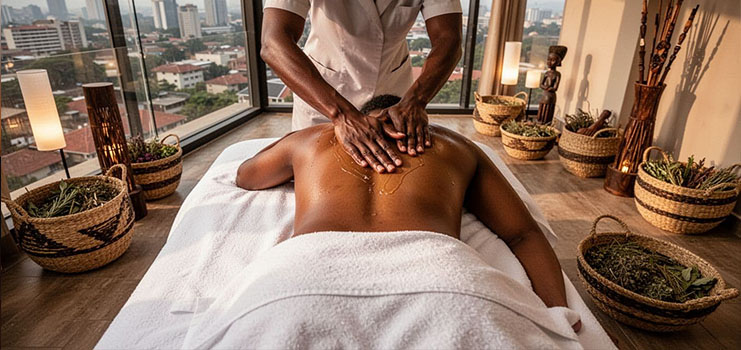
Benefits of Massage: What the Evidence Supports
Stress, tight muscles, poor sleep, post-workout soreness, and everyday aches are common reasons people book a massage. A session may help you relax and ease muscle tension, but massage isn’t a cure for every health problem, and its benefits are often short-term.
Research from NCCIH and Mayo Clinic supports massage as a way to reduce stress, promote relaxation, and provide temporary relief for some muscle and pain conditions. However, evidence for better sleep, faster recovery, and long-term pain relief remains mixed, so your expectations should match what massage can realistically provide.
The right approach depends on your needs, whether you’re considering Swedish, deep-tissue, sports, or another massage style. This guide will explain the evidence-based benefits of massage, how to compare styles, what to consider when choosing a provider or Sherry Massage Spa, and which safety precautions matter before your appointment. Next, we’ll look at the benefits massage is most likely to provide.
Key Takeaways
- Massage can promote relaxation, reduce stress, and ease muscle tightness for many people.
- Evidence supports short-term relief for some neck pain, low-back pain, soreness, and tension.
- Benefits vary by condition, and massage isn’t a replacement for medical treatment. See NCCIH’s massage evidence.
- Sleep improvement and faster recovery remain less certain, so keep expectations realistic.
- A trained therapist can help you choose a safe approach based on your health history.
What Are the Main Benefits of Massage?
The most reliable benefits of massage involve relaxation, reduced muscle tension, and short-term comfort. People often seek massage after long hours at a desk, demanding workouts, stressful weeks, or recurring aches in the neck, shoulders, back, and legs.
Results vary based on your health, the massage technique, session length, and how often you receive treatment. Massage may improve how you feel for a while, but it shouldn’t replace diagnosis, rehabilitation, medication, or mental health care when those services are needed.
Massage Can Ease Stress and Help the Body Relax
A calm setting, slow pressure, and focused touch can help reduce the physical signs of stress. As your muscles soften, your breathing may become slower, and you may stop holding tension in areas such as the jaw, shoulders, and upper back.
Relaxation is one of the most consistent reasons people report benefits from massage. The quiet environment also gives you time away from work, screens, and daily demands. That break can make the session feel restorative, even when the effects don’t last indefinitely.
Massage may help you feel less tense after one appointment, especially when stress has contributed to stiff muscles or shallow breathing. However, massage shouldn’t be presented as a treatment for an anxiety disorder. If worry, panic, or low mood interferes with your daily life, professional mental health care remains important. Massage can support your self-care routine alongside that treatment.

It May Reduce Muscle Tightness, Soreness, and Everyday Aches
Massage can loosen muscles that remain contracted after sitting, standing, exercising, driving, or carrying stress. A therapist may use broad strokes, kneading, or sustained pressure to address tight areas and improve your sense of comfort.
Common treatment areas include:
- The neck and shoulders, especially after desk work or extended phone use.
- The lower back, when prolonged sitting contributes to stiffness.
- The legs, particularly after walking, running, standing, or strength training.
- The upper back, where people often hold tension without noticing it.
Some people notice easier movement immediately after a session. Others feel tender for a day, particularly after firm pressure. A massage therapist should adjust the technique when pressure feels sharp, excessive, or uncomfortable.
Massage is appropriate for many everyday aches, but severe, sudden, or unexplained pain needs proper assessment. Numbness, weakness, swelling, fever, loss of bladder or bowel control, or pain after a serious injury also requires medical attention. Massage alone shouldn’t delay care for these symptoms.
Massage May Offer Short-Term Pain Relief
Research supports modest, short-term relief for some musculoskeletal pain. Massage may help people with certain types of neck pain, low-back pain, muscle soreness, and tension-related discomfort. The American College of Physicians also includes massage among the initial non-drug options for some cases of acute or subacute low-back pain. You can review the guideline summary from the American Academy of Family Physicians.
The evidence is less consistent for headaches. Some people experience fewer tension-related headaches when massage reduces tightness in the neck, shoulders, or scalp, but studies remain limited and mixed. A headache that is sudden, unusually severe, or accompanied by confusion, weakness, vision changes, or fever needs urgent medical evaluation.
Pain relief may fade after several hours or days. For chronic low-back or neck pain, the evidence does not guarantee lasting improvement. A 2024 review published in JAMA that examined recent reviews of massage therapy for pain also found that the certainty of evidence varies by condition and outcome. Massage often works best as one part of a broader plan that may include exercise, physical therapy, sleep improvements, medication, or other medical care.
It Can Support Better Sleep, Mood, and Daily Comfort
Reduced tension may make it easier for some people to settle at bedtime. After a relaxing session, you may feel calmer and less physically restless, which can support sleep that night. Better sleep may also make daily tasks feel more manageable the next day.
Massage may produce short-term improvements in mood and general well-being, especially when stress, muscle discomfort, or fatigue has affected your routine. The experience can provide comfort and personal attention, while the physical relaxation may reduce the sense of being wound up.
Still, massage doesn’t cure insomnia, depression, or another medical condition. Ongoing sleep problems can result from pain, medication, sleep apnea, anxiety, depression, or other causes that massage cannot address on its own. Speak with a health professional if poor sleep, persistent fatigue, or mood changes continue for several weeks or interfere with work and relationships.
Massage May Improve Movement and Support Recovery
When tight muscles hurt less, you may find it easier to move through normal activities. Massage can temporarily improve comfort and flexibility, which may help you walk, stretch, or perform daily tasks with less resistance. That benefit is most useful when it supports active recovery rather than replacing it.
Sports and recovery massage may help some people manage post-exercise soreness or the feeling of heavy, tired muscles. However, massage doesn’t repair every injury or guarantee faster athletic recovery. Rest, hydration, adequate nutrition, strength training, mobility work, and a gradual return to activity still matter.
Massage also shouldn’t replace rehabilitation after a sprain, strain, surgery, or other injury. A physical therapist or physician can identify movement problems and create a plan that restores strength and function. Firm pressure over a fresh injury may worsen swelling or pain, so tell the therapist about recent injuries before treatment.
Some people with fibromyalgia or knee osteoarthritis report less discomfort or improved daily function after massage. These conditions require ongoing care, and the right approach varies from person to person. Use massage as a supportive option while following medical guidance and monitoring whether the benefits are practical, noticeable, and lasting enough to justify continued sessions.
Which Massage Style Fits Your Needs?
The best massage depends on your goal, comfort level, health history, and the therapist’s training. A relaxing session may call for broad, flowing contact, while stubborn muscle tightness may need more focused work. Your preferred pressure matters just as much as the name of the technique.
Massage styles also overlap. A therapist may combine gliding, kneading, tapping, vibration, or pressure-point work during one appointment. Before booking, explain what you want to feel afterward and share any health concerns that could affect treatment.
Choose Swedish Massage for Gentle Relaxation
Swedish massage is a common starting point because it uses flowing strokes, kneading, and light to moderate pressure. The therapist may glide over larger muscle groups, knead tight areas, and use gentle movement to help your body settle. Some sessions also include light tapping or vibration.
This style may suit first-time clients, people who want to relax, or anyone dealing with general muscle tension after work, travel, exercise, or prolonged sitting. It can also help you learn how your body responds to massage without beginning with intense pressure.

You control the pressure throughout the appointment. Ask for lighter contact, more pressure, slower strokes, or a different position. You can also ask the therapist to avoid sensitive, painful, bruised, or injured areas. A massage should feel comfortable and manageable, not like a test of endurance.
Consider Deep Tissue or Neuromuscular Work for Stronger Muscle Tension
Deep tissue massage uses slower, more focused pressure on areas of persistent tightness. Neuromuscular massage may concentrate on specific muscles, trigger points, or pressure points that contribute to restricted movement or localized discomfort. These approaches can be useful for selected muscle problems, but they aren’t automatically better than gentler work.
Excessive pressure may cause soreness, bruising, inflammation, nerve irritation, or aggravate an existing injury. People who take blood thinners, bruise easily, have fragile bones, recently had surgery, or may have a blood clot should seek medical guidance before receiving firm massage. Never request deep work over an open wound, infection, healing incision, fracture, or fresh injury.
Pressure should feel productive, not sharp, burning, numb, or overwhelming.
Tell the therapist when the pressure is too much, even if the discomfort begins several minutes into the session. You can ask for a gradual increase instead of starting at the strongest level. If a therapist dismisses your concerns or insists that pain proves the treatment is working, choose another provider.
Look at Sports, Pregnancy, or Lymphatic Massage for Specific Goals
Specialized massage can make sense when the technique matches your situation and the provider has suitable training.
- Sports massage may suit active people who want help with areas stressed by training, repetitive movement, or competition. It should support recovery and mobility, not replace care for a serious injury.
- Pregnancy massage is intended for pregnant clients and should be performed by someone trained in prenatal positioning and techniques. Gentle pressure and side-lying or semi-reclined positioning are commonly used. Ask your obstetric clinician for clearance if the pregnancy is high-risk or involves bleeding, high blood pressure, sudden swelling, or other complications.
- Lymphatic drainage uses very light, superficial strokes. It may be appropriate for carefully selected swelling or lymphatic conditions, but it isn’t a detox treatment and doesn’t cure unexplained swelling. One-sided leg swelling, warmth, redness, or sudden pain needs medical evaluation before massage.
- Shiatsu uses finger or palm pressure at selected points, often with assisted stretching or movement. Tell the practitioner if pressure-point work causes pain or brings on unusual symptoms.
- Reflexology applies pressure to areas of the feet or hands. Some people find it relaxing, but claims that foot points can treat diseases in distant organs aren’t established by the evidence.
- Neuromuscular massage focuses on specific muscles, pressure points, and movement patterns. It may be useful for targeted tension when a trained therapist has ruled out problems that need medical care.
Don’t choose a specialized treatment solely because its name sounds more therapeutic. A qualified clinician should assess unexplained swelling, severe pain, numbness, weakness, fever, or symptoms after an injury. Massage can support a care plan, but it shouldn’t delay diagnosis.
Ask These Questions Before Booking a Massage
A short conversation before your appointment can reveal whether the provider is a good fit. Ask:
- What training and credentials do you have for the massage style I want?
- Which techniques will you use, and can you adjust pressure during the session?
- How long will the appointment last, including time for consultation and changing?
- How will you protect my privacy and explain draping before treatment?
- What hygiene practices do you follow between clients?
- What is your cancellation or rescheduling policy?
- How do you handle injuries, medications, pregnancy, allergies, or other medical concerns?
- Should I obtain clearance from my physician before booking?
Share your medications, especially blood thinners, along with recent surgery, injuries, pregnancy status, allergies, skin conditions, and any previous reaction to massage. Mention if you have felt dizzy, bruised, numb, or unusually sore after past sessions.
A responsible therapist will listen, explain the plan, protect your boundaries, and change the technique when needed. If the provider avoids health questions or promises to cure a medical condition, keep looking. The safest choice is the style that matches your needs and the therapist’s actual training.
What to Expect at Sherry Massage Spa and How to Prepare
A first visit to Sherry Massage Spa should begin with clear information, not assumptions. Massage benefits depend on the technique, pressure, session length, therapist’s training, and your health history. Before booking, confirm the practical details and explain any condition that could affect treatment.
A careful preparation process helps you choose a suitable session and gives the therapist the information needed to work safely.

Confirm the Treatment Details Before Your Appointment
Contact Sherry Massage Spa directly before making an appointment. General descriptions of Swedish, deep-tissue, sports, or relaxation massage don’t confirm what a particular spa currently offers. Services, prices, schedules, locations, and booking policies can change.
Ask which massage styles are available and whether you can choose a session length that fits your needs. You should also confirm the current price, appointment duration, payment options, cancellation policy, exact location, and booking process. If the spa has more than one location or therapist, ask which details apply to your appointment.
Your questions should also cover the therapist’s qualifications and experience. Ask whether the therapist has training that matches the treatment you want, especially if you’re considering prenatal, sports, deep-tissue, or lymphatic massage. Find out whether the spa offers a consultation before treatment and how much time that conversation includes.
Tell the spa about any issue that could change the session. For example, ask whether it can accommodate:
- A recent injury, surgery, or healing incision.
- Pregnancy or pregnancy-related restrictions.
- Allergies to oils, lotions, fragrances, or other products.
- Limited mobility, difficulty lying in a particular position, or a need for extra assistance.
- Skin conditions, chronic pain, or medical restrictions from a clinician.
A provider may recommend a modified session, ask for medical clearance, or advise you to postpone treatment. That response is a sign that staff are taking your safety seriously. NCCIH reports that massage generally has a low risk of harm, but rare serious problems have included blood clots, nerve injuries, and bone fractures, so accurate information matters.
Share Your Health Information Clearly With the Therapist
Before the massage begins, tell the therapist about your health history in plain language. Mention chronic conditions, recent surgery, current injuries, skin problems, and any medication that could affect bruising or bleeding. Blood-thinning medicine, including anticoagulants, is especially important to disclose before firm or deep pressure.
You should also mention cancer or recent cancer treatment, pregnancy, osteoporosis, fragile bones, and any history of blood clots. Include previous deep vein thrombosis or pulmonary embolism, even if the problem occurred years ago. If you have an open wound, burn, infection, unexplained swelling, or a healing incision, identify the area before treatment.
Mayo Clinic guidance lists conditions such as recent surgery, cancer, blood-thinning medication, osteoporosis, pregnancy complications, and blood-clot disorders as reasons for special precautions. You can also review NCCIH’s massage safety guidance before your appointment.
This information helps the therapist select safer pressure, positioning, and body areas. It also helps prevent work over tissue that needs medical care rather than massage. Don’t stop prescribed medication just to receive a massage, and ask your physician when you’re unsure whether treatment is appropriate.
You remain in control throughout the session. Tell the therapist to reduce pressure, change position, avoid an area, or stop a technique if it causes sharp pain, burning, numbness, dizziness, or distress. You can decline any technique without giving a detailed explanation.
Good communication protects your comfort before it improves your muscles.
Use the First Visit to Judge Comfort, Communication, and Professionalism
Treat the first appointment as a chance to evaluate the provider, not just the massage. A professional therapist should explain the session, listen to your goals, answer questions, and ask for consent before touching sensitive areas or changing techniques.
Use this simple checklist while you prepare:
- The therapist communicates respectfully and gives you time to explain your needs.
- Staff explain draping, privacy, positioning, and which areas they will treat.
- The room, linens, equipment, and shared spaces appear clean and well maintained.
- The total price and any extra charges are clear before treatment begins.
- The therapist listens when you describe pain, allergies, injuries, or pressure preferences.
- You can request lighter pressure, a different position, or a pause without feeling judged.
- The therapist agrees to stop immediately if you withdraw consent or feel unsafe.
You should never feel pressured to accept a treatment, add a service, reveal more of your body, or tolerate pain. Strong pressure isn’t automatically more effective, and soreness isn’t proof that massage is working. A therapist who dismisses your concerns, promises to cure a medical condition, or refuses to adjust pressure is not a good fit.
Pay attention to how you feel after the appointment as well. Mild, temporary tenderness can occur, particularly after firm work, but severe pain, unusual swelling, numbness, weakness, or other concerning symptoms deserve medical attention. The best massage experience leaves you informed, respected, and able to make choices throughout the visit.
How to Stay Safe and Get Better Results From Massage
Massage is usually low risk when a trained practitioner knows your health history and adjusts the technique to suit you. Still, it isn’t appropriate for every person, every condition, or every area of the body. Safe treatment starts before you lie on the table, continues through clear communication, and includes paying attention to how you feel afterward.
Know When Massage May Not Be Appropriate
Postpone massage and seek medical advice if you have a suspected blood clot, sudden one-sided swelling, warmth, redness, or unexplained leg pain. Pressure could worsen the problem or potentially dislodge a clot. Chest pain, sudden shortness of breath, fainting, or coughing blood requires emergency care, not massage.
Fever, an active infection, an open wound, a burn, or infected skin also calls for postponement. Massage can irritate damaged tissue and may spread infection across nearby skin. Avoid work directly over tumors, bruises, burns, infected areas, healing incisions, fractures, or any area of acute injury.
Medical clearance may also be needed after recent surgery, a serious injury, or a recent fracture. People with severe osteoporosis, major heart or kidney disease, uncontrolled high blood pressure, or another unstable medical condition should ask their clinician before booking. The same applies when pain is severe, unexplained, or worsening.
Mayo Clinic lists several conditions that can require modified treatment or medical approval, including recent surgery, blood-clotting problems, blood-thinning medication, cancer, heart failure, infection, severe osteoporosis, and unhealed fractures. Its medical-based massage guidance also emphasizes working with a trained therapist and getting approval when health problems could affect treatment.
Some people need extra planning rather than an automatic refusal:
- People receiving cancer treatment should ask their oncology team whether massage is appropriate and which areas to avoid.
- Older adults may have fragile bones, thinner skin, balance problems, or several medical conditions that require lighter pressure.
- Infants should receive massage only with guidance suited to their age and health.
- People with bleeding disorders or those taking anticoagulants may bruise or bleed more easily.
- Anyone with nerve damage, reduced sensation, or limited ability to communicate discomfort may need modified positioning and pressure.
Share your medications, diagnoses, recent procedures, allergies, and current symptoms before treatment. If a provider dismisses those details or promises to cure a serious condition, choose a different provider.

Understand the Common Side Effects and Rare Risks
Mild effects can occur after massage, especially when the session uses firm pressure or targets tense muscles. Temporary soreness, stiffness, tenderness, mild discomfort, bruising, nausea, or a short-lived increase in pain may develop during the next day or two. Oils and lotions can also cause itching, redness, rash, or other skin reactions.
These effects should remain manageable and improve with time. Rest, gentle movement, normal hydration, and avoiding another intense session until your body settles may help. Tell your therapist if you have reacted to a product before, and ask for an unscented lotion or a different oil when needed.
Serious complications are uncommon, but they have been reported. The National Center for Complementary and Integrative Health describes rare risks that include blood clots, nerve injury, and bone fractures, with greater concern after vigorous techniques or in people with certain medical conditions. You can review its massage therapy safety information before your appointment.
Forceful deep-tissue work deserves particular caution when you have fragile bones, take blood thinners, bruise easily, or have an undiagnosed injury. Neck massage also requires care because excessive pressure or poor positioning can irritate nerves, blood vessels, or the spinal cord. More pressure isn’t proof of a better result.
Contact a health professional promptly if you develop severe or increasing pain, major swelling, extensive bruising, numbness, weakness, trouble walking, severe headache, vision changes, chest pain, or shortness of breath. Unusual symptoms after massage shouldn’t be explained away as a normal “release.”
Communicate During the Session Instead of Pushing Through Pain
You should be able to speak freely throughout the appointment. Tell the therapist if pressure feels too strong, a position causes discomfort, or a technique affects an area that feels injured. Ask for less pressure, a slower pace, a different position, more draping, or a pause whenever you need one.
Mild pressure may feel intense, stretching, or tender while remaining tolerable. Harmful pain is sharp, burning, electric, crushing, or increasingly uncomfortable. Numbness, tingling, dizziness, nausea, shortness of breath, or sudden weakness are clear reasons to stop and reassess.
Agree on boundaries before the session begins. Discuss which areas the therapist will avoid, how you will request a pause, and whether you want the therapist to check in before changing techniques. Consent continues throughout the appointment, so you can stop the session without defending your decision.
A useful massage should leave you feeling heard and in control, not pressured to tolerate pain.
A professional therapist will adjust the treatment without arguing that pain proves the massage is working. If your concerns are ignored, end the session. Feeling comfortable enough to speak up is part of safe massage care, not an optional extra.
Make Massage Part of a Healthy Care Plan
Massage works best as a supportive part of your routine. Sleep, regular movement, stretching, stress management, adequate nutrition, and hydration may help you maintain the comfort you gain from a session. Physical therapy or medical treatment may address the cause of pain while massage helps manage related muscle tension.
Massage shouldn’t replace diagnosis or treatment for ongoing pain, injury, numbness, weakness, or disease. If symptoms keep returning, booking stronger sessions may only cover the warning signal without addressing the problem. A qualified health professional can determine whether you need imaging, medication, rehabilitation, or another form of care.
Track what changes after each appointment. Note the areas treated, pressure used, symptoms before and after, and how long any benefit lasts. If relief lasts only a few hours or symptoms steadily worsen, share that information with your clinician instead of simply increasing treatment intensity.
Before massage, disclose your health history and choose a qualified practitioner. During the session, communicate early and stop when symptoms feel wrong. Afterward, allow time to recover and seek medical advice for severe, unusual, or persistent symptoms. That approach gives you a better chance of enjoying the benefits of massage without treating it as a substitute for appropriate care.
Frequently Asked Questions
Massage can support relaxation, muscle comfort, and short-term relief, but the right approach depends on your body and health needs. These answers address common questions that remain after considering the potential benefits of massage.
How often should I get a massage?
There isn’t one schedule that works for everyone. Your ideal frequency depends on your goals, budget, response to treatment, and overall health. An occasional session may be enough when you want relaxation or temporary relief from everyday tension.
For ongoing muscle tightness or certain pain conditions, a short, planned series may be reasonable under professional guidance. For example, research on knee osteoarthritis has examined weekly massage over eight weeks, but that finding doesn’t create a universal rule. Track how long relief lasts and whether each appointment provides a meaningful benefit before booking more sessions.
Is massage supposed to hurt to be effective?
Massage doesn’t need to hurt to work. Mild pressure, stretching sensations, or temporary tenderness can occur, especially when a therapist treats tight muscles, but you should still feel able to relax and communicate.
Sharp, severe, burning, electric, or worsening pain requires an immediate adjustment or the end of the session. Numbness, tingling, dizziness, nausea, or sudden weakness also calls for a pause. A therapist who dismisses your concerns or claims that pain proves the massage is effective is not providing safe care.
How long do the benefits of massage usually last?
Relaxation and relief from muscle tension may last anywhere from a few hours to several days. The duration depends on your health, the problem being treated, the massage technique, your activity level, sleep, and whether the underlying cause continues.
For some chronic conditions, lasting improvement is less certain. NCCIH’s review of massage therapy evidence describes benefits for several conditions as short-term or condition-specific. Massage may work better when combined with exercise, physical therapy, medical treatment, stress management, or other parts of a broader care plan.

Can I get a massage if I have a medical condition?
Some people with medical conditions can receive massage, but the therapist may need to modify the pressure, positioning, duration, or areas treated. Depending on your diagnosis, symptoms, and treatment history, you may need clearance from your doctor or specialist first.
Before the appointment, share your complete health history and medications. Include recent surgery, pregnancy, blood thinners, cancer treatment, osteoporosis, blood-clot history, heart or lung disease, skin problems, and current injuries. Mayo Clinic’s massage therapy guidance explains why some conditions require extra precautions or medical approval.
What should I do after a massage?
Get up slowly, especially if you feel relaxed, lightheaded, or unsteady. Drink fluids if you feel thirsty, pay attention to how your body feels, and follow the therapist’s advice about rest or activity. If the session involved firm pressure, avoid strenuous exercise until you know how your body responds.
Mild tenderness can occur, but severe pain, major swelling, weakness, trouble breathing, chest pain, numbness, or other unusual symptoms need medical attention. Rare serious complications have been reported, so don’t assume every new symptom is a normal part of massage. NCCIH’s safety information can help you understand when caution is appropriate.
Can massage replace treatment from a doctor or physical therapist?
No. Massage may support comfort, relaxation, and temporary muscle relief, but it doesn’t diagnose the cause of symptoms or correct every problem affecting movement and pain.
It also doesn’t replace medical care, physical therapy, prescribed medication, rehabilitation, or urgent treatment when those services are needed. If pain continues, returns often, or comes with numbness, weakness, swelling, fever, or an injury, arrange an assessment instead of relying on repeated massage alone. A massage therapist can support your care plan, but a qualified medical professional must address symptoms that require diagnosis or treatment.
Conclusion
The benefits of massage are most clear when the goal is practical: relaxation, lower stress, reduced muscle tension, and short-term relief from some types of pain. Massage may also improve daily comfort and help some people sleep or move more easily when stress, soreness, or tight muscles interfere with rest and activity. These effects can vary, and they may not last without attention to the underlying cause.
The best results come from realistic expectations, a trained therapist, honest communication, and careful attention to safety. If you’re considering Sherry Massage Spa, confirm its current services, therapist qualifications, booking details, and health requirements directly before making an appointment.
Choose a treatment that matches your needs and speak with a qualified health professional when pain is severe, symptoms are unusual, or you’re unsure whether massage is safe for you. Used thoughtfully, massage can be a valuable part of personal care without replacing the medical treatment you may need.