

Massage: How to Choose the Right Style, Therapist, and Care Plan
After a long day at work, your shoulders may feel tight, your back may ache, or your mind may refuse to slow down. After exercise, sore muscles can make even ordinary movement uncomfortable. Massage can support relaxation and temporarily ease muscle tension, but it isn’t a cure for every health problem or a replacement for medical care.
The right treatment depends on what you need, your comfort level, and your health history. You’ll learn how massage works, how popular styles differ, and which potential benefits are realistic. You’ll also see how to choose a qualified therapist or spa, what to expect during an appointment, and which precautions matter if you’re pregnant, recovering from surgery, taking medication, or managing ongoing pain.
Good aftercare can help you feel comfortable after your session, while clear communication can prevent avoidable problems during treatment. You’ll also consider how Sherry Massage Spa may fit your needs, what to ask before booking, and why the service details should match your goals. First, it helps to understand what massage can and cannot do for your body.
Key Takeaways
- Choose a massage style based on your goals, comfort level, pressure preference, and health history.
- Share relevant medical details before treatment, especially recent surgery, pregnancy, blood-clot risk, open wounds, fractures, or blood thinners.
- Expect massage to support relaxation and provide possible short-term relief, not replace medical diagnosis or treatment.
- A qualified therapist should explain the session, respect your boundaries, adjust pressure, and welcome feedback.
- Review NCCIH massage safety guidance before booking if you manage an ongoing health condition.
Massage: What It Is and How It May Help You Feel Better
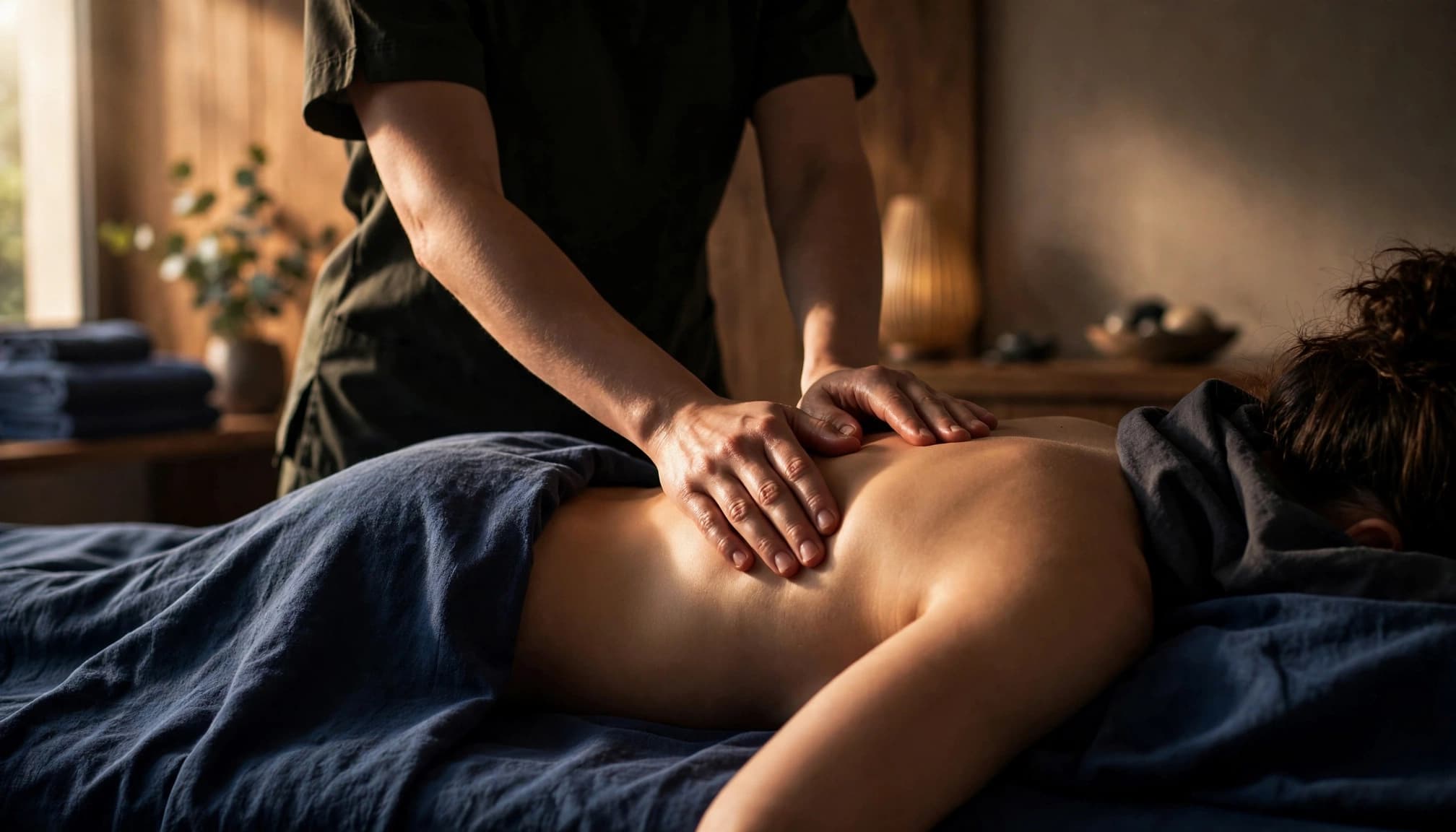
Massage is the hands-on movement and pressure applied to soft tissue, including your muscles, tendons, ligaments, and fascia. A therapist may use kneading, stretching, compression, or rhythmic strokes to influence areas that feel tight, tired, or uncomfortable.
During a session, pressure can help you settle into a relaxed state and make restricted movement feel easier. However, the response depends on your body, the technique, the amount of pressure, and the reason for your discomfort. Massage may support comfort, but it doesn’t diagnose the cause of pain or correct every underlying problem.
The Main Reasons People Book a Massage
You may book a massage because stress has settled into your shoulders, your back feels stiff after sitting, or your muscles are sore after physical activity. Others want time away from daily demands and choose massage as a form of personal self-care.
Common goals include:
- Relaxing when your body feels tense or your mind feels busy.
- Easing temporary muscle soreness after exercise, travel, or physically demanding work.
- Reducing the feeling of tightness in your neck, shoulders, or lower back.
- Supporting comfortable movement when stiffness limits your usual activities.
- Maintaining flexibility alongside stretching, strength training, or physical therapy.
- Creating a regular pause for rest and body awareness.
For example, a lighter Swedish-style massage may suit you when relaxation is the priority. If your upper back feels tight after hours at a computer, a therapist may spend more time on that area and adjust pressure to your comfort. After a demanding workout, gentle work may feel more appropriate than forceful treatment on already tender muscles.
More pressure doesn’t automatically produce better results. Tell your therapist when the pressure feels painful, sharp, or excessive. A useful session should match your goals and leave you feeling cared for, not as though you need to tolerate discomfort to receive a benefit.
What the Evidence Says About Pain, Stress, and Movement
Research suggests massage may provide short-term relief for some people with acute or subacute low-back pain. Evidence for chronic low-back pain is less consistent, and massage often works better as one part of a wider plan that may include exercise, education, or medical care. A review of complementary approaches is available through the National Center for Biotechnology Information.
People with chronic neck or shoulder pain may also notice temporary improvement, although studies don’t show that massage consistently works better than other active treatments. Research on anxiety, stress, and muscle tension is promising in some settings, but it isn’t equally strong across every condition or type of massage.
Your symptoms still deserve proper attention. Arrange a medical evaluation if pain is severe, persistent, unexplained, associated with weakness or numbness, or getting worse. Massage can support a broader wellness or care plan, but it shouldn’t delay diagnosis when your body is signaling that something may be wrong.
Which Massage Style Fits Your Goals?
Your best massage style depends on what you want from the session. Relaxation, muscle tension, athletic recovery, and pregnancy support each call for a different approach. Before booking, describe your symptoms, pressure preference, activity level, and health history because massage names and methods can vary between practitioners.
Swedish Massage for Relaxation and Gentle Muscle Relief
Swedish massage is a common starting point, especially if you’re booking your first appointment. The therapist typically uses long gliding strokes, kneading, circular movements, vibration, and light tapping to work across the body’s soft tissue.
The pace is usually steady and calming, with light to moderate pressure. This makes Swedish massage a practical choice when your main goal is relaxation, stress relief, or gentle relief from everyday muscle tension. You may also prefer it if you don’t enjoy intense pressure or feel uncertain about what to expect.
A Swedish session can still address specific concerns. Tell your therapist if your neck, shoulders, lower back, or legs need extra attention. They can spend more time on those areas while keeping the overall treatment comfortable.

Deep Tissue Massage for Persistent Muscle Tightness
Deep tissue massage uses slower strokes and firmer, more focused pressure to reach deeper layers of muscle and connective tissue. You may consider it when ongoing tightness affects your movement or when lighter work hasn’t addressed a particular area.
However, deeper pressure isn’t automatically better. A useful session should feel strong but manageable, never sharply painful, numb, or alarming. Speak up immediately if the pressure feels excessive. Your therapist can reduce the force, change the technique, or work around a sensitive area.
Use caution if you bruise easily, recently had an injury, have fragile bones, or take blood-thinning medication. Blood disorders, severe osteoporosis, open wounds, unhealed fractures, and some other health conditions may make forceful massage unsafe. Ask a qualified health professional before booking if you’re unsure.
A massage should support your body, not test how much discomfort you can tolerate.
Sports Massage for Active Bodies and Recovery
Sports massage is adapted for athletes and people who train, exercise, or perform repeated physical movements. The therapist may adjust the pressure, pace, and target areas based on whether you need preparation before activity or recovery afterward.
Before training, the work may be shorter and lighter, with attention to movement and range of motion. After training, your therapist may focus on overused muscles or areas stressed by running, lifting, cycling, work, or repeated sports movements.
Sports massage can fit your routine when tightness keeps returning in predictable areas. Still, it shouldn’t replace diagnosis or treatment for an acute injury. Stop training and seek medical advice for sudden severe pain, major swelling, weakness, numbness, or suspected muscle, tendon, ligament, or bone damage.
Trigger Point, Prenatal, and Other Specialized Approaches
Trigger point work targets small, focused areas of tight muscle. The therapist applies controlled pressure to a tender spot, then adjusts the technique according to your response. This may suit you when one specific area bothers you more than the rest of your body.
For accessible areas, self-massage can complement professional care. You may gently work your hands, feet, or neck with your fingers or a suitable massage tool, but avoid pressing directly over wounds, swelling, or sharp pain.
Prenatal massage is designed for pregnancy and requires a practitioner with appropriate training. Positioning, pressure, and areas treated may change as your pregnancy progresses. If you have a medical condition, pregnancy complication, recent surgery, or take medication, ask a qualified health professional whether a specialized technique is suitable before scheduling.
How to Choose the Right Massage Therapist or Spa
Choosing a massage therapist involves more than finding the closest spa or lowest advertised price. Match the provider to your goal, comfort level, health history, and expectations. Then confirm that the therapist communicates clearly, follows professional standards, and gives you control throughout the session.
Start With Your Goal, Comfort Level, and Health History
Before booking, describe what you want in plain language. You might want relaxation, relief from shoulder tension, post-workout recovery, or focused attention on one area of discomfort. Also mention your preferred pressure, whether you are new to massage, and any techniques you dislike.
Share relevant health details before treatment begins, including recent injuries, surgeries, pregnancy, medications, allergies, skin conditions, easy bruising, and pain triggers. A therapist should ask about your current health and screen for conditions that may affect treatment. State rules may also require licensed therapists to assess contraindications and obtain informed consent.

A trustworthy practitioner listens before recommending a technique. They explain the plan, tell you what to expect, and adjust the session when you provide feedback. You should be able to change the pressure, pause, or stop treatment without feeling embarrassed or pressured.
Check Training, Hygiene, Privacy, and Professional Boundaries
Verify the therapist’s license or registration through your state’s regulator when applicable. The FSMTB license lookup service can help you confirm credentials in participating jurisdictions. You can also ask about massage education, specialized training, experience with your concern, and whether the provider refers medical problems outside their scope.
The treatment space should look clean and organized. Look for:
- Fresh linens and a clean, disinfected treatment surface.
- Hand hygiene before contact and between clients.
- Clear service descriptions, contact details, and cancellation policies.
- Private space for changing, with appropriate draping throughout treatment.
- A therapist who explains touch before it happens and respects your answer.
Professional standards also cover consent, hygiene, draping, and privacy. The NCBTMB Standards of Practice provide a useful reference when you want to understand what responsible care should include.
You never have to accept painful techniques, unwanted areas of contact, or treatment that makes you uncomfortable. Leave if a provider ignores your boundaries, refuses to explain the session, makes inappropriate comments, or pressures you to continue.
Compare Session Length, Pressure, Location, and Total Cost
Compare the full service, not just the headline price. Ask whether the listed time includes consultation, changing, treatment, and cleanup. A “60-minute massage” may provide less hands-on time if intake and preparation come out of the appointment.
Also compare the technique, pressure level, therapist experience, location, parking or transportation, and any add-on charges. A lower price may not be useful if travel takes an hour or the session doesn’t match your goal. Check cancellation rules, deposits, refunds, payment options, and what happens if you need to reschedule.
Before paying or arriving, ask:
- What style and pressure do you recommend for my goal?
- How much hands-on treatment time will I receive?
- Do you review health history before the first session?
- Can I change pressure or stop at any time?
- What is your draping and privacy policy?
- Are linens, surfaces, and hands cleaned between clients?
- Are there extra fees for upgrades, products, or extended time?
Clear answers help you compare providers fairly and choose a massage experience that feels safe, suitable, and worth the cost.
What to Expect Before, During, and After a Massage
Your first massage appointment feels easier when you know what will happen at each stage. You should have time to ask questions, set boundaries, adjust the session, and leave if anything feels unsafe or unsuitable.
How to Prepare for Your Appointment
Arrive 10 to 15 minutes early if you can. This gives you time to complete intake forms, use the restroom, put away your phone, and settle into the space without rushing. Most massage appointments don’t require special preparation, so follow your normal routine rather than treating hydration or fasting as strict rules.
Wear comfortable clothing that makes changing easy. You can eat beforehand, but avoid a heavy meal immediately before lying down for treatment. A light meal or snack may feel more comfortable, especially if your appointment lasts an hour or longer.
During intake, share information that could affect your care. Mention recent injuries or surgery, pregnancy, medications, allergies, easy bruising, skin conditions, blood-clot concerns, and areas that feel numb or unusually painful. If you aren’t sure whether a health issue matters, mention it and ask.
You can also ask practical questions before the massage begins:
- Where can you use the restroom?
- How can you adjust the room temperature?
- Can you choose the music or request a quieter room?
- How will privacy and draping work?
- Which areas will the therapist treat?
- What pressure and technique do they recommend?
A professional therapist should answer clearly and explain the plan before touching you. For additional background on benefits and safety, review NCCIH massage therapy information.
What Happens During the Session
The session usually starts with a brief consultation. You discuss your goals, problem areas, preferred pressure, and any movements or positions that cause discomfort. Together, you agree on what the therapist will treat and how you will communicate during the massage.
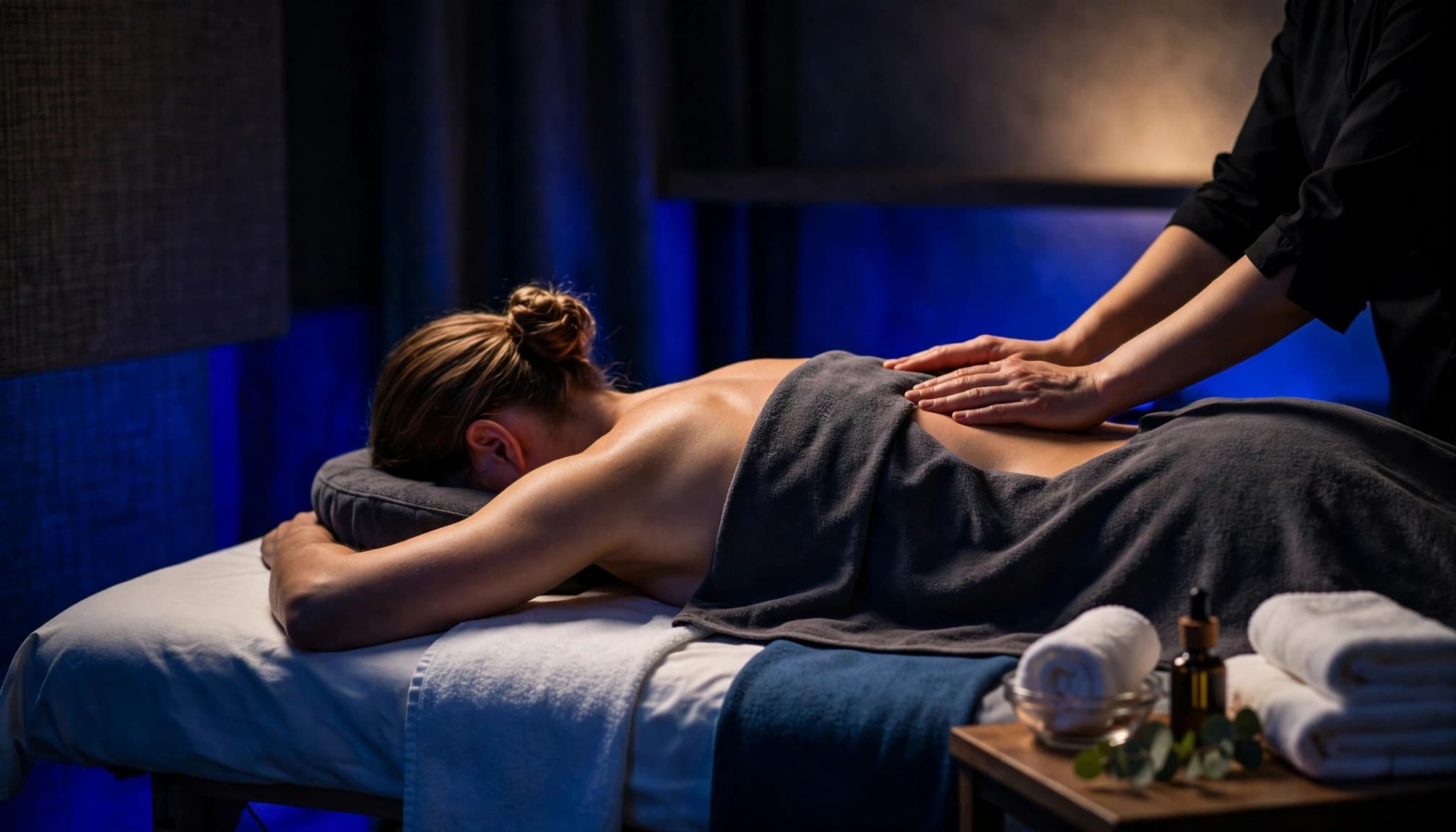
Next, you’ll receive instructions for changing in private. You undress only as far as you feel comfortable, then lie on the massage table under a clean sheet or towel. The therapist should uncover only the area being treated and keep the rest of your body covered.
The therapist may begin with broad, gentle strokes before using more focused work. They might ask whether the pressure feels comfortable, whether the room feels warm enough, or whether your position needs adjusting. You can request less pressure, more pressure, a different technique, a blanket, or a pause at any time.
Consent continues throughout the appointment. You can change your mind, stop treatment, or ask the therapist to avoid an area.
Productive pressure can feel firm, tender, or intense, especially during focused work. However, it should not feel sharp, burning, electric, unbearable, or sharply radiating. Tell the therapist immediately if anything feels wrong. A responsible practitioner will adjust the session without making you justify your request.
Simple Massage Aftercare for the Rest of Your Day
You may feel calm, sleepy, loose, or mildly tender after a massage. Temporary soreness can occur after firm or deep work, and some people notice it later that day or the next day. The sensation should remain manageable and begin improving rather than steadily worsening.
Give yourself time to notice how your body feels before returning to demanding activities. Gentle walking or easy movement may help you avoid stiffness, while intense exercise is better postponed if the treated area feels tender. Drink fluids according to your normal needs, but you don’t need to force large amounts of water.
Contact a health professional if you develop severe or worsening pain, unusual swelling, extensive bruising, numbness, weakness, breathing difficulty, chest symptoms, dizziness, or faintness. You should also seek advice when symptoms don’t improve as expected. Massage can support comfort, but unusual symptoms need medical attention rather than another appointment.
Is Massage Safe for You? Important Precautions to Know
Massage is generally low risk when a trained professional adapts the session to your health and comfort. However, forceful pressure can cause harm when your body is healing, your skin is damaged, or an underlying condition affects your bones, blood vessels, nerves, or ability to clot.
When You Should Postpone or Avoid Massage
Postpone your appointment if you have a fever, contagious illness, or an active infection. Rest and medical care should come first, especially when you feel weak, dehydrated, or generally unwell. You should also wait when you have open wounds, healing burns, contagious skin conditions, fresh stitches, or irritated skin that could worsen with friction, oils, or pressure.
Avoid direct massage over areas affected by:
- Acute inflammation, significant swelling, or unexplained redness.
- A recent or severe injury, including suspected muscle, tendon, ligament, or joint damage.
- An unhealed fracture or painful bone injury.
- Recent surgery, incisions, scars that are still healing, stitches, or staples.
- Severe pain, loss of function, or symptoms that are getting worse.
Massage shouldn’t be used to test an injured area or force movement through pain. If a body part is painful, swollen, bruised, numb, or damaged, your therapist should work around it or postpone treatment. Guidance on massage contraindications and treatment modifications can help you prepare, but it doesn’t replace an examination.
Seek medical advice before booking when your symptoms are new, severe, unexplained, or associated with weakness, numbness, fever, chest symptoms, or breathing trouble. A suspected blood clot or other urgent problem needs medical care, not massage.
Health Conditions That Need Extra Care
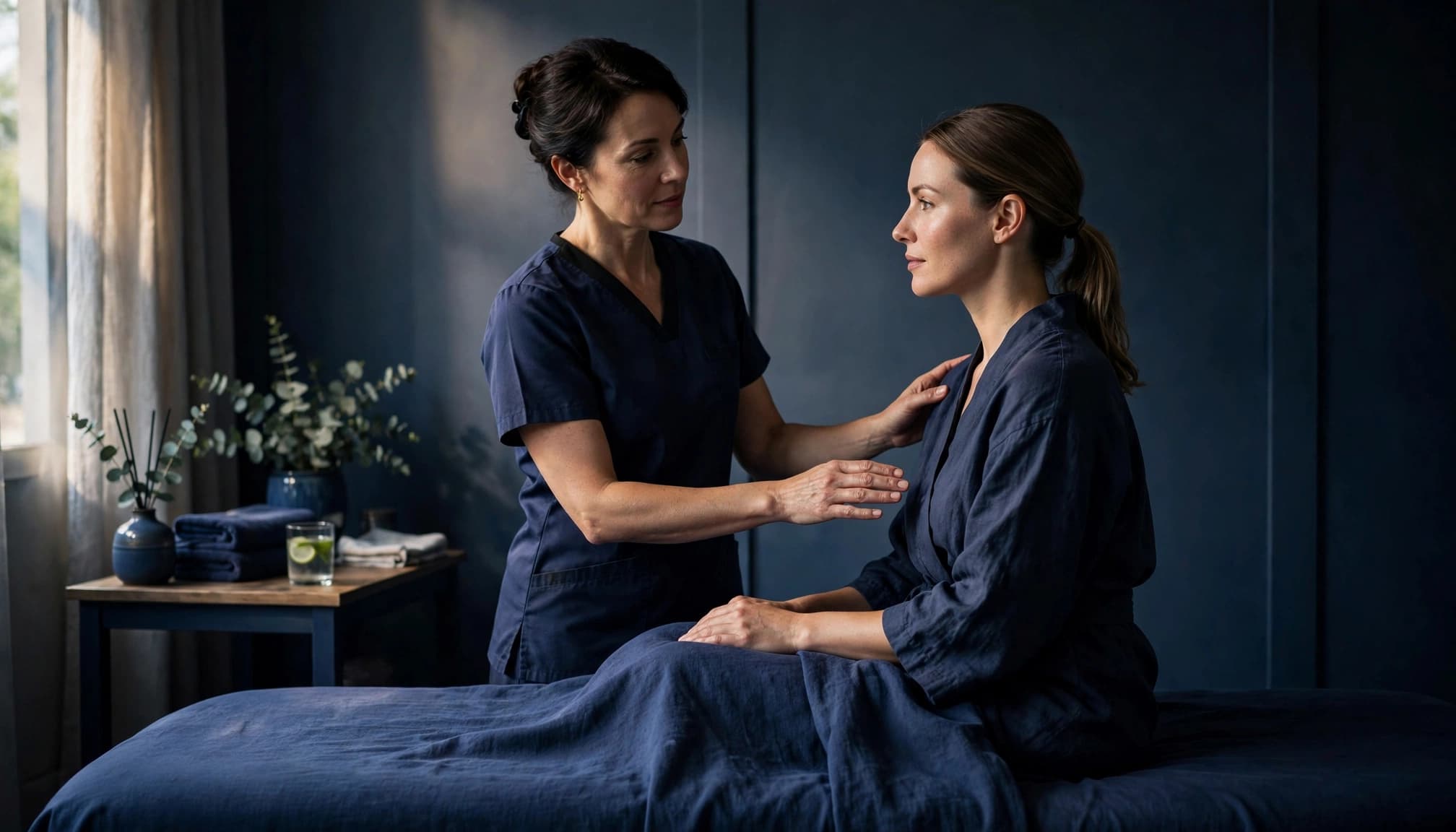
Some conditions don’t always rule out massage, but they require professional guidance and clear treatment limits. Tell both your therapist and your clinician about your diagnosis, symptoms, medications, and recent procedures.
Ask for medical advice first if you have:
- A history of blood clots or deep vein thrombosis (DVT).
- A bleeding or clotting disorder, low platelet count, or frequent unexplained bruising.
- Blood-thinning medication, such as warfarin or another anticoagulant.
- Severe osteoporosis or fragile bones.
- Cancer, especially when you have tumors, bone involvement, low blood counts, recent surgery, or radiation-treated skin.
- Uncontrolled high blood pressure, heart disease, or lung disease.
- Nerve damage, reduced sensation, or paralysis.
- A high-risk pregnancy or pregnancy-related complications.
Your clinician may recommend lighter pressure, different positioning, shorter sessions, or avoiding certain body areas. For example, blood-thinning medication can increase bruising and bleeding risk, while nerve damage can make it harder for you to notice harmful pressure. Cancer care may also require avoiding tumors, surgical sites, radiation areas, or fragile bones.
A qualified clinician can help determine whether massage is appropriate and explain which changes you need. Don’t stop prescribed medication or change your treatment plan so you can receive a massage.
How to Reduce the Risk of a Bad Experience
Choose a trained, licensed practitioner who asks about your health before treatment. Share your complete health history, including surgeries, injuries, medications, pregnancy, allergies, skin conditions, circulation problems, and areas with reduced sensation. A professional should treat those details as part of safety screening, not as an inconvenience.
Start with moderate or light pressure, especially during your first session or when you have a health condition. Ask the therapist to avoid aggressive work over bones, joints, swollen tissue, fresh scars, varicose veins, or any vulnerable area. You can request changes early, before discomfort becomes significant.
Stop the session if something feels wrong. Sharp pain, burning, electric sensations, persistent numbness, severe tenderness, or increasing swelling are warning signs, not proof that massage is working better. Bruising can also indicate that the pressure was too strong for your tissues, particularly if you take blood thinners or bruise easily.
After treatment, monitor your symptoms instead of dismissing them as normal soreness. Contact a health professional if pain worsens, numbness continues, weakness develops, or unusual swelling, dizziness, breathing difficulty, or chest symptoms appear. Massage can fit into a careful care plan, but personal medical advice should guide decisions about your individual risk.
A Closer Look at Sherry Massage Spa
If you’re considering Sherry Massage Spa, compare the provider with the goals and safety standards outlined earlier in this guide. Services, locations, appointment availability, prices, and booking methods can change, so confirm every detail through the spa’s current official website or another official contact channel before you travel or pay a deposit.

Questions to Ask Sherry Massage Spa Before You Book
A short call or message can prevent confusion on the day of your appointment. Ask the following questions and save the answers for reference:
- Which massage styles are currently available, and which one best matches your goal?
- Who will perform the treatment, and what training or professional credentials do they hold?
- Can the therapist adjust pressure during the session if you need lighter or firmer work?
- Does the stated appointment length include consultation, changing, and hands-on massage time?
- Can you receive treatment safely if you’re pregnant, recovering from an injury or surgery, taking medication, or managing a health condition?
- What is the total cost, including taxes, deposits, add-ons, or other charges?
- What payment methods are accepted, and when is payment due?
- What is the cancellation or rescheduling policy if your plans change?
- How much notice do you need to reschedule without losing a deposit?
- What privacy, draping, hygiene, and consent procedures should you expect?
Ask the spa to explain any unfamiliar service name rather than choosing based on the title alone. Massage styles can vary between providers, and the same label may involve different pressure, pacing, or treatment areas.
If you’re pregnant, have reduced sensation, bruise easily, take blood thinners, or have a recent injury, disclose that before booking. A responsible provider should explain whether modifications, medical clearance, or postponement are appropriate. You can also review official massage safety precautions for questions about consent and treatment risks.
How to Decide Whether the Spa Matches Your Needs
Compare Sherry Massage Spa’s answers with your actual priorities. If relaxation is your goal, look for a style and pressure level that feel comfortable rather than automatically choosing the most intense option. If you want help with recurring tightness or sports recovery, ask whether the therapist has relevant training and how the session would be adapted.
Your budget matters, but the lowest advertised price may not be the best value if the appointment includes little hands-on time, costly add-ons, or difficult cancellation terms. Confirm the complete price before you book. Also check the location, travel time, parking, accessibility, and whether the setting offers the privacy you expect.
Safety should guide your decision as much as convenience. You should feel comfortable sharing health information, asking for changes, and stopping the session. The therapist should explain what will happen, maintain appropriate draping, respect professional boundaries, and respond calmly when you give feedback.
A good spa fit depends on clear communication and safe treatment, not just an attractive setting or low price.
If the spa cannot answer basic questions about practitioner training, pressure adjustments, appointment timing, privacy, or rescheduling, pause before booking. Choose a provider that gives you enough information to make an informed decision and treats your boundaries as part of quality care.
Common Massage Mistakes That Can Limit the Benefits
Massage works best when the session matches your body, health history, and goals. Several common mistakes can make treatment uncomfortable, reduce its usefulness, or delay care you actually need.

Choosing Pressure That Is Too Intense
More pressure doesn’t automatically create better results. Firm, tolerable pressure may help you relax or address muscle tightness, but excessive force can irritate sensitive tissue and leave you sore, bruised, or guarded against touch.
Useful pressure may feel strong, tender, or intense while still allowing you to breathe normally and relax your muscles. Sharp, burning, electric, pinching, or protective pain is different. If your body tenses, pulls away, or makes you hold your breath, the pressure is probably too much.
Speak up as soon as the sensation changes. You can say, “Please use less pressure,” “That area is too sensitive,” or “Stay around this spot instead.” Don’t wait until the appointment ends, when the tissue may already feel aggravated. Your therapist can slow down, change techniques, use a broader contact, or avoid the area altogether.
Hiding Health Details or Expecting Massage to Fix Everything
Your therapist needs accurate information to choose safe pressure, positioning, and treatment areas. Mention pregnancy, recent surgery, injuries, chronic disease, allergies, reduced sensation, easy bruising, blood-clot concerns, and every prescription or over-the-counter medication that may affect bleeding, bones, alertness, or pain perception.
Leaving out a blood thinner, healing incision, diabetes-related nerve changes, or a complicated pregnancy can increase the chance of an inappropriate technique. If you aren’t sure whether a detail matters, share it before treatment and ask whether you need medical clearance.
Massage may support relaxation and temporary comfort. For example, Mayo Clinic’s massage therapy guidance describes massage as a way to help with symptoms in some situations, not as a method for diagnosing or repairing serious conditions. It cannot confirm the cause of pain, heal a fracture, treat an infection, or replace prescribed medical care.
A therapist can adapt a session, but only when you provide the information needed to make that decision.
Skipping Follow-Up Care and Personal Feedback
Pay attention to your body during the next day or two. Mild tenderness may occur after firm work, but it should remain manageable and begin to improve. Severe pain, increasing swelling, extensive bruising, numbness, weakness, breathing trouble, or chest symptoms require medical attention.
Write down what happened while you remember it. Note the pressure level, techniques, body positions, treated areas, and how long any soreness lasted. At your next visit, tell the therapist what helped and what felt unpleasant. That feedback makes it easier to adjust the care plan instead of repeating the same mistake.
Massage can be one part of a broader approach to comfort. Research on massage for acute pain has found possible short-term benefits in some settings, but evidence on pain management doesn’t make repeated massage appropriate for unexplained or worsening symptoms. If pain continues, changes, or limits normal activity, arrange a medical evaluation rather than treating it yourself session after session.
Frequently Asked Questions
Even after you understand massage styles, safety precautions, and appointment etiquette, a few practical questions may remain. Use these answers to decide when massage fits your needs and when another form of care should come first.

How often should you get a massage?
There isn’t one schedule that works for everyone. Your ideal frequency depends on your goal, budget, activity level, health status, and how your body responds after each appointment.
If you want occasional relaxation, a massage every few weeks or whenever stress builds may be enough. Ongoing muscle tension, frequent training, or a short-term pain-management plan may call for more regular visits, while limited finances may require less frequent care. Research summarized by the National Center for Complementary and Integrative Health suggests that repeated, sufficiently long sessions may help some people with neck pain, but those findings don’t create a universal prescription.
Review your results after each session. If you feel comfortable and notice useful improvement, continue at a pace you can afford; if symptoms return quickly, worsen, or fail to change, ask a qualified clinician or therapist whether your plan should change.
Should a massage hurt to be effective?
Massage should never cause sharp, burning, electric, unbearable, or radiating pain. Mild pressure, tenderness, or a temporary intense sensation can occur during focused work, but you should still be able to breathe normally and relax your muscles.
Ask for less pressure immediately if the sensation feels wrong. Your therapist can use broader strokes, slow down, change position, or avoid the area. Waiting until the appointment ends increases the chance of unnecessary soreness or bruising.
A productive massage leaves you feeling supported, not injured. Pain isn’t proof that the technique is working.
Can massage help with back or neck pain?
Massage may provide short-term relief when back or neck discomfort comes from muscle tension, prolonged sitting, repetitive activity, or certain types of strain. However, it cannot identify every cause of pain, including nerve problems, fractures, infections, inflammatory conditions, or internal disease.
For that reason, arrange a medical evaluation when pain is severe, persistent, sudden, unexplained, or associated with numbness, weakness, fever, or loss of normal function. NCCIH’s massage therapy guidance describes potential benefits while also noting that serious complications, although rare, can occur.
Massage may fit into a broader care plan, but repeated appointments shouldn’t replace an examination when symptoms continue.
What should you wear to a massage?
Wear comfortable clothing that makes changing easy before and after your appointment. You usually change privately and then lie under a sheet or towel, with the therapist uncovering only the area being treated.
Professional draping should protect your privacy throughout the session. You should never feel pressured to remove clothing, and you can remain fully clothed if that makes you more comfortable. A therapist can adapt many techniques to loose, comfortable clothes, although some oil-based treatments may work better on exposed skin.
Tell the therapist what you prefer before treatment starts. You can also request more coverage, a different position, or an area to remain untreated.
Can you get a massage when you are pregnant?
Prenatal massage may be appropriate for some pregnant people when a trained practitioner provides it. Your stage of pregnancy, symptoms, medical history, pregnancy complications, and positioning all matter.
Ask your obstetrician, midwife, or prenatal care provider before booking, particularly if your pregnancy is high risk or you have bleeding, contractions, fluid leakage, fever, or significant pain. Tell the spa that you’re pregnant when you schedule the appointment, so it can assign an appropriately trained therapist and plan safe positioning.
A prenatal session may use lighter or moderate pressure and avoid the abdomen. Never hide your pregnancy because the therapist needs that information before treatment begins.
When should you seek medical care after a massage?
Seek prompt medical advice for severe or worsening pain, unusual swelling, significant bruising, numbness, weakness, trouble breathing, chest symptoms, dizziness, or faintness. These symptoms shouldn’t be dismissed as normal post-massage soreness, especially after vigorous or deep-tissue work.
Contact a clinician quickly if a treated area becomes increasingly painful or you lose strength or sensation. If you’re pregnant, vaginal bleeding, contractions, fluid leakage, fever, or sudden intense pain also require immediate medical guidance.
Mild tenderness should remain manageable and improve. Alarming changes need medical assessment, not another massage appointment.
Conclusion
Massage can be a valuable way for you to relax, manage everyday muscle tension, and support comfortable movement when you choose an approach that matches your needs. The strongest results begin with a clear goal, whether you want relaxation, focused work for tight muscles, or support after physical activity.
Before you book, select a suitable massage style and share your complete health history, including injuries, medical conditions, pregnancy, recent procedures, and medications. During the session, communicate about pressure, discomfort, positioning, and treated areas. Afterward, follow sensible aftercare and seek medical advice if pain worsens or unusual symptoms develop.
If you’re considering Sherry Massage Spa, evaluate the provider using current information from its official website. Confirm the business name, available treatments, therapist qualifications, appointment length, total price, privacy practices, and safety procedures before you commit. The official materials reviewed for Sheri Palm Spa list massage options and appointment information, but service details and prices can change, so verify them directly before booking.
When the provider, technique, and safety plan feel right for you, book your massage with confidence. A thoughtful choice and clear communication can help you enjoy the benefits of treatment without overlooking your body’s limits.