

Full Body Massage: What to Expect, Benefits, and Safety Tips
Tight muscles, work stress, poor sleep, and the need for quiet time can all make a full body massage appealing. A well-planned session may help you pause, relax, and pay closer attention to how your body feels, without promising to treat a medical condition.
This guide explains what a full body massage usually includes, possible benefits, common massage styles, and what to expect during an appointment. You’ll also find practical guidance on safety questions, typical costs, and choosing a trusted spa, including what to confirm before considering Sherry Massage Spa in Kenya.
Before booking, ask about the available service, therapist qualifications, appointment details, pricing, and any health conditions that could affect your treatment. Start by learning what a full body massage involves and how to prepare for your first session.
Key Takeaways
- A full body massage usually covers the back, shoulders, arms, legs, feet, neck, and scalp, while keeping you properly draped.
- Tell your therapist about pain, injuries, medications, pregnancy, or health conditions before the session begins.
- Massage may ease muscle tension, support relaxation, and improve your sense of well-being, but it isn’t a substitute for medical care.
- Choose a qualified therapist, confirm the session price, and speak up if pressure feels painful or uncomfortable.
- Massage is generally low-risk for healthy adults, but NCCIH’s massage therapy guidance explains why certain conditions require extra care.
What Is a Full Body Massage and What Does It Include?
A full body massage is a hands-on session that works across several major muscle groups rather than focusing on one sore area. The exact treatment varies by spa, therapist, massage style, and your needs. A relaxation massage may use slow, flowing strokes, while a targeted session may spend more time on tight shoulders, a stiff lower back, or tired legs.
Before the session begins, your therapist should ask about injuries, medical conditions, pregnancy, medications, pain levels, and areas you don’t want touched. This intake conversation helps shape the massage around your comfort and gives you a clear chance to ask questions.

Which Areas Are Usually Covered During the Session?
Most full body massage sessions begin with the client lying face down, properly covered with a sheet or towel. The therapist may work through the back, shoulders, and hips first, then continue down the backs of the legs and feet. Oil or lotion often helps the hands move smoothly over the skin, although some therapists use less product for certain techniques.
After you turn onto your back, the therapist may treat the front of the legs, arms, hands, neck, and sometimes the scalp. The order depends on the massage style and the time available. Some appointments focus mainly on large muscle groups, while others include detailed work on the hands, feet, or neck.
Commonly included areas are:
- The upper and lower back, especially muscles that feel tense after sitting or standing for long periods.
- The shoulders and neck, where stress and repetitive movement often create tightness.
- The arms, forearms, wrists, and hands, particularly for people who type, lift, or use their hands at work.
- The hips, glutes, thighs, calves, ankles, and feet, with attention adjusted to your comfort.
- The scalp, when the therapist offers it and you want it included.
Front-body work is optional. The abdomen or chest should only be included after the therapist explains the plan and you give clear consent. You can decline any area without giving a reason. Professional draping means only the area being treated is uncovered, while intimate areas remain covered. Guidance from the New York massage therapy practice guidelines also describes draping as part of professional conduct.
A therapist may skip an area because of an injury, skin irritation, recent surgery, pregnancy, personal preference, or another health concern. If you have swelling, unexplained pain, a rash, or a condition under medical care, mention it before treatment starts.
How Pressure, Draping, and Consent Protect Your Comfort
Pressure should match your body and the purpose of the appointment. Light pressure feels gentle and soothing. Medium pressure creates noticeable contact without feeling harsh. Firm pressure feels more focused and intense, but it should remain tolerable and controlled.
Strong pressure isn’t automatically better. Sharp pain, burning, numbness, tingling, or pain that worsens during a stroke is a reason to speak up immediately. You can ask for lighter pressure, a different technique, more support under a joint, or a change of position.
A good massage should give you useful pressure, not require you to endure pain to prove it is working.
The room should support privacy, warmth, and relaxation. You should have time to undress only as much as needed, get under the sheet, and settle before treatment begins. Your therapist should knock before entering, explain what they plan to do, and keep you covered throughout the appointment. You may also request changes to the temperature, music, lighting, or amount of conversation.
Consent continues throughout the session. You can pause, change your mind, ask a question, or end the appointment at any time. If a therapist ignores your boundaries or touches an area without permission, stop the session and leave. Clear communication protects your comfort, while proper draping protects both privacy and professional boundaries.
The Main Benefits of Full Body Massage for Stress, Tension, and Recovery
A full body massage may help you relax, notice areas of tension, and recover from everyday physical strain. Results vary, however, because pressure, massage style, sleep, hydration, activity, stress, and the cause of discomfort all affect how your body responds.
How Massage May Help With Stress and Everyday Muscle Tightness
Stress often changes the way you breathe and hold your body. You may take shorter breaths, raise your shoulders, clench your jaw, or tighten your hands without noticing. Long periods of sitting can add poor posture to the problem, especially when your head moves forward and your shoulders round toward a screen.
A quiet setting and steady touch can give your nervous system fewer demands to process. As the therapist works, slower breathing may help you release some of the tension you carry through your neck, shoulders, back, or hips. Massage doesn’t correct every cause of muscle tightness, but it may support relaxation and short-term comfort.
For example, someone who spends all day at a computer might notice stiff shoulders and a tight upper back. A gentle full body massage can bring attention to those areas while encouraging the person to lower their shoulders and breathe more comfortably. Many people report feeling calmer afterward, although the experience differs from one session to another.
Massage may also improve body awareness. You might recognize that your lower back tightens during stressful conversations or that your calves remain tense after long walks. That awareness can help you adjust your posture, take movement breaks, or discuss recurring discomfort with a qualified health professional. Research reviews, including evidence summarized in the Cochrane review on massage for pain, support a measured view: massage may help some people manage discomfort, but outcomes depend on the condition and the treatment.
What You May Feel After a Massage
After a full body massage, you may feel peaceful, sleepy, refreshed, or more aware of muscles that were tight before the appointment. Some people notice thirst or mild tenderness, especially after firmer pressure or focused work on stiff areas. These effects are usually temporary, and the Healthdirect massage therapy guide also notes that minor soreness can occur during or after treatment.

Simple aftercare can make the transition back to normal activity easier:
- Drink water if you feel thirsty, and eat normally if you missed a meal.
- Walk gently or stretch within a comfortable range instead of remaining still for hours.
- Skip an intense workout if your muscles feel tender or unusually tired.
- Give yourself time to rest if the session leaves you sleepy.
Mild tenderness can occur, but sharp pain, increasing swelling, numbness, weakness, bruising, or symptoms that don’t settle deserve attention. Contact a qualified health professional if discomfort is severe, persistent, unexplained, or linked to an injury. Massage can support comfort and relaxation, but it shouldn’t replace an assessment for a medical problem.
Massage Styles, Session Lengths, and What to Expect at Your Appointment
Choosing the right full body massage depends on your goal, comfort level, and any health concerns. Massage names and techniques can differ between spas, so ask what the service includes before booking.
Choosing Between Relaxation, Deep Tissue, Sports, and Aromatherapy Massage
A relaxation, Swedish, or light-pressure massage is usually the best starting point for general stress, mild muscle tension, and a first appointment. The therapist uses slower strokes and comfortable pressure across the body, helping you settle without making the session feel intense.
Deep tissue massage focuses on selected areas of long-term tightness, such as the shoulders, upper back, hips, or calves. It often uses firmer, slower pressure, but more pressure doesn’t mean better results. Pain, sharp discomfort, numbness, or tingling are reasons to ask for a change. The NCCIH massage therapy guidance also notes that vigorous massage may carry greater risks for some people.
Sports massage suits people whose muscles feel strained after training, repetitive movement, or physical work. It may include focused work, stretching, or movement-based techniques rather than a uniform full body treatment. Tell the therapist about your activity, recent soreness, and any injury.
Aromatherapy massage combines gentle or moderate massage with scented oils. Choose it if you enjoy fragrance and want scent to be part of the relaxing experience. However, fragrance can trigger headaches, allergies, asthma symptoms, or skin irritation. Request unscented oil or lotion if you have sensitivity, and mention allergies before the session begins.
Other common options include hot stone massage, which uses warmed stones with massage techniques, and prenatal massage, which adapts positioning and pressure during pregnancy. Prenatal work should be provided by someone trained for pregnancy care. The Cleveland Clinic’s prenatal massage guidance explains why lighter pressure and careful positioning matter.
A Simple Walkthrough of Your First Full Body Massage
Your appointment usually begins with an intake conversation. The therapist may ask about pain, injuries, surgeries, pregnancy, medications, allergies, skin conditions, health problems, pressure preferences, and areas you want avoided. Share accurate information, even if it feels unrelated. It helps the therapist decide which techniques and positions are appropriate.
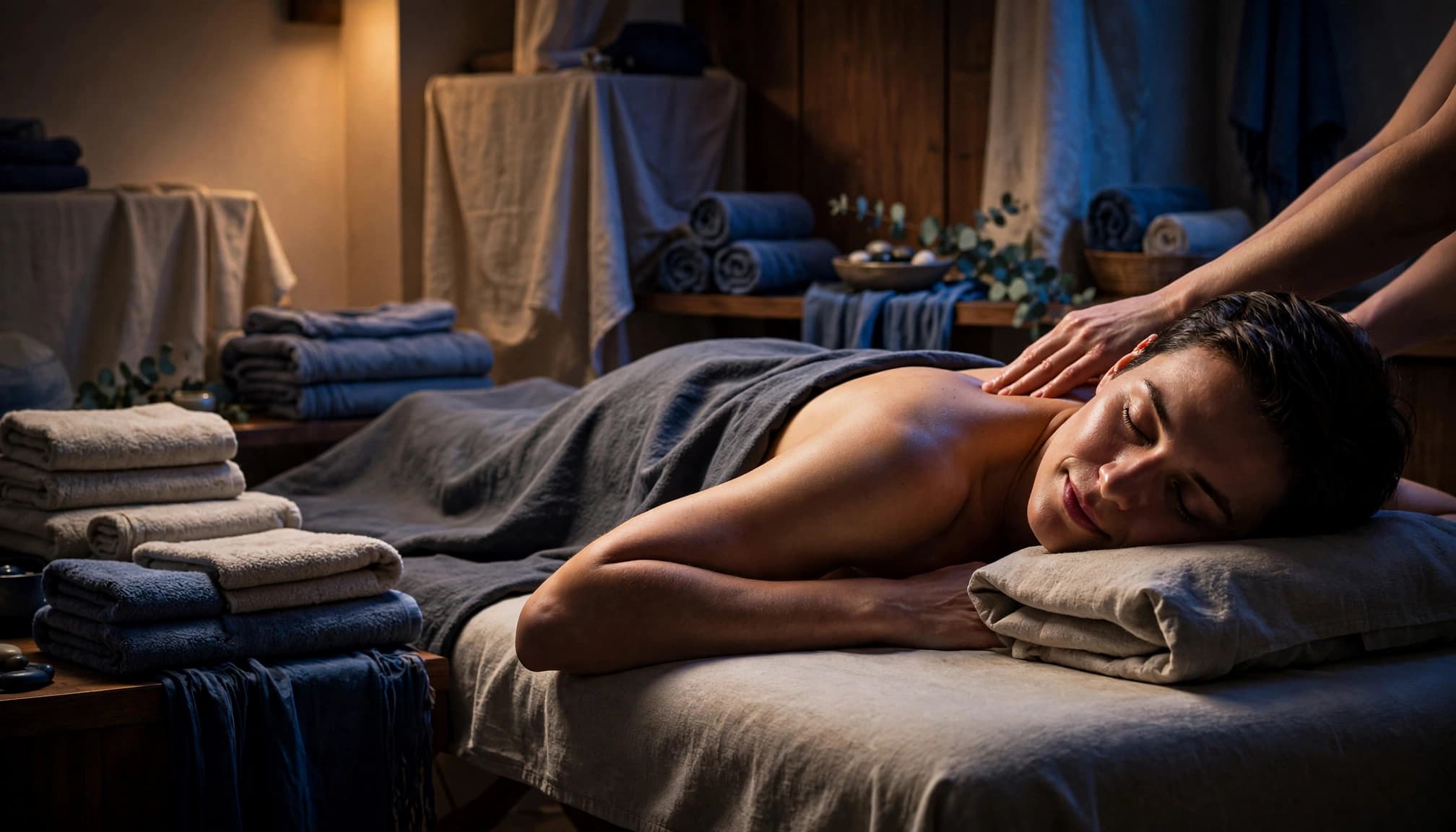
Arrive early enough to use the restroom, complete paperwork, and settle in. Avoid a heavy meal immediately beforehand, and wear comfortable clothing that is easy to change out of. The therapist should explain where to undress and give you privacy. You can keep your underwear on if that makes you feel more comfortable.
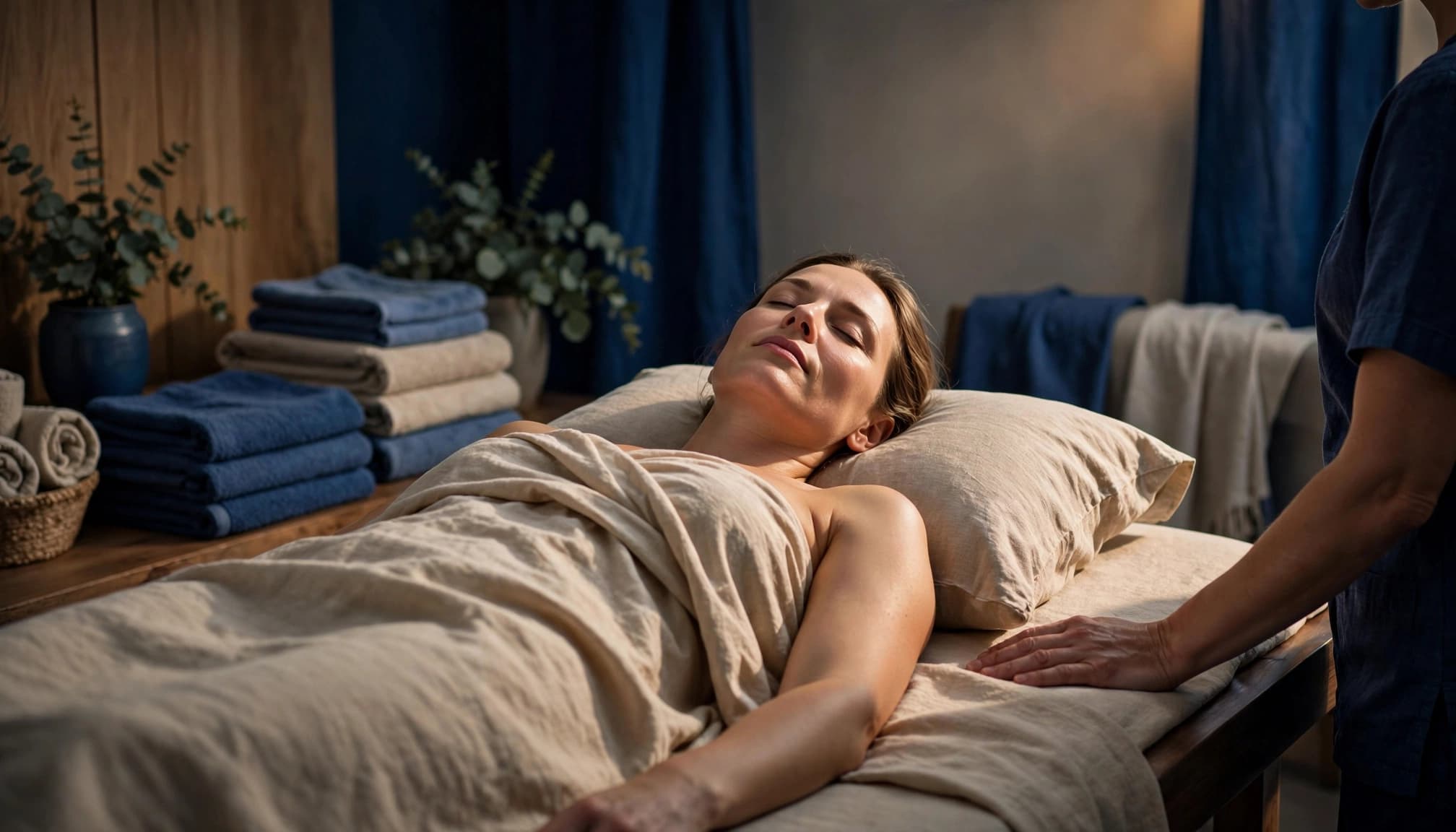
Once you lie under the sheet, only the area being treated should be uncovered. The therapist may begin with broad strokes, then check whether the pressure feels comfortable. Speak up at any point if you want lighter pressure, more pressure, less conversation, a warmer room, or a different position. You can also pause or end the session whenever you choose.
At the end, the therapist should allow you time to get dressed privately. Rise slowly if you feel relaxed or lightheaded, drink water if you’re thirsty, and avoid strenuous activity if your muscles feel tender. Mild soreness can occur after firmer work, but worsening pain, swelling, weakness, or numbness deserves medical attention.
How Long Should a Full Body Massage Last?
Your schedule and goal should guide the appointment length. Booking the longest session automatically doesn’t guarantee a better experience.
- A 30-minute massage usually targets one or two areas, such as the neck and shoulders or the lower back and legs. It may not allow balanced work across the entire body.
- A 60-minute massage often provides enough time for a well-paced full body treatment, though the therapist may spend less time on each area.
- A 90-minute massage allows slower transitions, more detailed work, and extra attention to problem areas without rushing.
- A 120-minute massage suits people who want a longer, unhurried session or several focused areas. It may feel tiring for someone new to massage.
Choose based on your budget, comfort, energy level, and purpose. For a truly thorough full body massage, 90 minutes often gives the therapist more room to adjust pressure and maintain a steady pace. A 60-minute appointment remains a practical choice when you want balanced coverage without the cost or time of a longer visit.
How to Choose a Safe Massage Therapist and Spa
A safe full body massage starts before you enter the treatment room. Choose a spa that explains its services, respects your boundaries, keeps its space clean, and answers health questions without rushing you into a booking.

Health Conditions That May Require Medical Advice First
Massage may not be suitable while you have a fever, contagious illness, open wound, active skin infection, or severe injury. Delay the appointment if you have unexplained swelling, recently had surgery, suspect a blood clot, or have uncontrolled high blood pressure. A massage therapist should not attempt to work around symptoms that need medical assessment.
Ask your doctor or another qualified clinician before booking if you are pregnant, receiving cancer treatment, living with osteoporosis, managing a bleeding disorder, or taking blood thinners. Chronic illnesses, prescription medications, fragile skin, and recent procedures can change how your body responds to pressure. The American Institute of Alternative Medicine’s contraindications guidance provides examples of conditions that may require treatment changes or medical clearance.
Unexplained pain also deserves attention before relaxation. A therapist can adjust pressure and avoid a sensitive area, but they shouldn’t diagnose a serious condition or tell you to stop prescribed treatment. Follow the advice of your own health professional, especially when symptoms are new, worsening, or unexplained.
Questions to Ask Before You Book
Clear answers help you judge whether a spa is professional and trustworthy. Before scheduling, ask:
- What training, certification, licensing, or supervised experience does the therapist have?
- How long have they provided this massage style, and is it appropriate for a first-time client?
- Can the therapist offer light, medium, or firm pressure without causing pain?
- Which body areas are included, and which areas remain covered?
- How does the spa handle consent if you change your mind or feel uncomfortable?
- What oils, lotions, fragrances, or hot products will be used, and are unscented options available?
- What is the complete price, including taxes, service fees, upgrades, or gratuity?
- What are the cancellation, rescheduling, late-arrival, and refund policies?
- What happens if the session feels painful, unsafe, or different from what you booked?
A professional consultation should cover your health history, injuries, surgeries, pregnancy, medications, allergies, skin concerns, pressure preference, and areas you want avoided. The therapist should explain the service, answer questions plainly, obtain consent, and tell you that you can pause or end the session at any time.
Before booking, check whether the treatment room, linens, towels, and shared surfaces appear clean. Look for recent client reviews that mention punctuality, hygiene, privacy, communication, and accurate pricing. Reviews cannot replace your judgment, but repeated complaints deserve attention.
Warning signs include pressure to buy expensive add-ons, unclear touch boundaries, poor hygiene, a therapist dismissing pain, or a business avoiding questions about qualifications. Be cautious if staff promise to cure a medical problem or insist that intense pain proves the massage is working. A trustworthy provider makes safety part of the service, not an obstacle to the sale.
Why Consider Sherry Massage Spa for a Relaxing Full Body Massage?
Choosing a spa for a full body massage in Kenya starts with accurate information, clear communication, and realistic expectations. Sherry Massage Spa may be an option to research when you want a dedicated setting for relaxation, but confirm the current details directly with the business before making an appointment.
A massage can feel very different depending on the therapist’s technique, the session length, the room, and how well the treatment matches your needs. Use the booking conversation to find out whether the spa can provide the experience you want.
What to Confirm With the Spa Before Your Visit

Contact Sherry Massage Spa before visiting and ask direct questions rather than relying on assumptions. Services, schedules, and prices can change, so current information should come from the spa’s official channels.
Confirm these details before you book:
- Ask whether appointments are available on your preferred date and time, and whether you need to arrive early for registration or consultation.
- Find out which massage styles are currently offered, such as relaxation, Swedish, deep tissue, sports, aromatherapy, or another treatment.
- Confirm the session length and ask how much time the therapist can give to each body area during a full body massage.
- Request the complete current price, including taxes, service charges, optional upgrades, or any other fees.
- Check the exact location, parking or transport options, accessibility, and whether the treatment room is private.
- Ask about preparation guidance, including meals, clothing, personal items, and whether the spa provides towels, robes, or oils.
- Confirm the therapist’s relevant training, certification, licensing, or supervised experience, especially if you want deep pressure or need modified treatment.
- Ask whether the therapist can adjust pressure, avoid sensitive areas, use unscented products, or accommodate mobility limitations.
- Explain health concerns before booking, including pregnancy, recent surgery, injuries, skin conditions, allergies, medications, or unexplained pain.
- Review the cancellation, rescheduling, late-arrival, refund, and no-show policies.
- Check accepted payment methods and whether gratuity or other charges are separate.
- Ask how the spa handles hygiene, linen changes, cleaning between appointments, privacy, and consent.
Professional standards commonly emphasize client communication, appropriate draping, and safety precautions. You can also review massage therapy practice standards to understand the type of conduct and safety information worth discussing.
When you contact the spa, describe your goals in practical terms. For example, say that you want a relaxing full body massage with light pressure, extra attention to your shoulders, and no work on your abdomen. If you prefer firm pressure, mention that too, while making clear that sharp pain, numbness, or tingling is unacceptable.
Tell the spa about add-ons you are considering, such as aromatherapy, scalp work, hot stones, or foot treatment. Ask whether each option costs extra and whether it suits your health needs. A clear conversation helps Sherry Massage Spa match the appointment to your preferences and helps you recognize whether the service is right for you.
How Much Does a Full Body Massage Cost, and Is It Worth It?
The cost of a full body massage depends on more than the number shown on the booking page. City, spa location, therapist experience, treatment length, massage style, and the quality of the setting can all change the final total. Published pricing guides also show that session length and location strongly affect massage rates, so compare services with similar details before choosing the cheapest option. Massage pricing guidance can provide useful context, but local prices may differ.
A lower price may suit a simple, shorter appointment. However, a slightly higher price may offer better hygiene, privacy, communication, comfort, and a therapist whose skills match your needs. The real value comes from receiving the right treatment in a professional setting, not from paying the lowest advertised rate.
What Changes the Price of a Full Body Massage?
Session length is usually one of the clearest price factors. A 30-minute appointment may focus on your neck, shoulders, or back, while a 60-minute session often allows more balanced full body coverage. A 90-minute appointment gives the therapist extra time to work slowly and adjust the treatment without rushing.
Your location also matters. Spas in major cities, hotels, tourist areas, and upscale neighborhoods often charge more because of rent, staffing, facilities, and operating costs. Therapist experience, training, and specialization may raise the rate as well, particularly for deep tissue, sports, prenatal, or therapeutic massage.
Massage style affects the total because some treatments require additional preparation, products, or equipment. Aromatherapy may include scented oils, while hot stone massage requires heated stones and extra setup. Premium oils, private rooms, showers, robes, refreshments, or longer consultation time may also form part of the price.
Before booking, ask whether the quoted cost includes:
- The full hands-on treatment time, rather than time for changing or consultation.
- All body areas included in the advertised full body service.
- Taxes, booking fees, facility charges, or other required costs.
- Gratuity, if the spa expects or recommends it.
- Oils, lotions, towels, aromatherapy, or other standard supplies.
How to Compare Massage Packages and Add-Ons
Packages can reduce the cost per visit, but only when you expect to use every appointment before the package expires. Memberships may include discounted sessions or monthly credits, yet they can also involve recurring payments, cancellation rules, or unused benefits. Read those terms before committing.
Couples sessions often cost more overall because two therapists, treatment rooms, or longer scheduling blocks may be involved. Compare the total price with the individual rate for two people, and confirm whether both clients receive the same session length and massage style.

Aromatherapy, hot stones, scalp work, foot treatments, and extended appointments can increase the bill. Ask whether each add-on is included, optional, or medically suggested. A therapist should explain what the service involves, why it may suit your goal, and what it costs before adding it.
Be cautious when someone pushes an upgrade without a clear explanation. You can decline any add-on, even after asking about it. If your budget is limited, start with a 60-minute relaxation massage or book a focused treatment for one problem area. That approach lets you judge the therapist, setting, hygiene, and communication before paying for a longer package.
Simple Ways to Prepare for Better Results and Care for Yourself Afterward
A little preparation can make a full body massage more comfortable, effective, and relaxing. Arrive with enough time to settle in, share useful health information, and decide what you want from the appointment. Afterward, give your body time to respond instead of rushing straight into demanding activity.

Common Mistakes That Can Make a Massage Less Enjoyable
Booking deep pressure without discussing your goal can leave you sore, tense, or disappointed. If you want relaxation, gentle work may suit you better. If you have persistent tightness, explain where you feel it and ask whether focused pressure is appropriate.
Staying silent when pressure hurts is another common mistake. Massage should feel purposeful, not punishing. Tell the therapist if the pressure feels too strong, the room feels cold, the table feels uncomfortable, or a movement causes pain. Sharp pain, burning, tingling, or numbness requires an immediate adjustment.
Arriving rushed can make it harder to relax and may shorten your consultation time. Plan to arrive early enough to use the restroom, complete any paperwork, remove jewelry, and settle your breathing. Wear comfortable clothing for the journey home, especially if your muscles feel tender afterward.
A large meal right before treatment may leave you uncomfortable when lying on your stomach or back. Eat lightly beforehand and drink a normal amount of water, rather than forcing extra fluids. You should also tell the therapist about pregnancy, medications, allergies, recent surgery, injuries, skin problems, or other relevant health conditions.
Avoid hiding information because you worry the therapist will cancel your appointment. Honest details help them modify the treatment or recommend medical advice when massage isn’t suitable. A therapist can work around some concerns, but they shouldn’t diagnose an injury, identify the cause of unexplained pain, or replace a doctor or physical therapist.
Use this practical guide before, during, and after your appointment:
- Before the visit: Arrive early, eat lightly, drink normally, remove jewelry, and decide which areas you want avoided. Tell the therapist your preferred pressure and whether you want a quiet session.
- During the massage: Give honest feedback about pressure, temperature, positioning, draping, and pain. You can ask for a pause, request a change, or end the session at any time.
- After treatment: Walk gently, rest if you feel tired, and choose comfortable clothing. Notice how your body feels over the next several hours instead of judging the massage only by how sore you become.
Soreness alone doesn’t prove that a massage worked. A comfortable session may leave you relaxed without significant tenderness, while firmer work may cause mild, temporary sensitivity. Research on massage-related adverse events shows that massage isn’t risk-free, particularly when forceful or inappropriate techniques are used, so reported massage therapy risks deserve attention.
Severe pain, extensive bruising, numbness, weakness, dizziness, or symptoms that continue to worsen are not normal aftercare goals. Stop strenuous activity and seek prompt medical advice if these symptoms appear, especially when they follow an injury or affect your ability to walk, breathe, or use a limb.
Frequently Asked Questions
A full body massage should feel comfortable, respectful, and suited to your current health and preferences. These answers cover common concerns that may remain after learning how massage sessions work, including pain, clothing, scheduling, pregnancy, and communication during treatment.
Is a Full Body Massage Painful?
A good massage may involve mild pressure, stretching sensations, or temporary tenderness in tight muscles. However, sharp, burning, electric, or worsening pain isn’t a normal goal, even during deep tissue work.
Speak up immediately if something feels wrong. Your therapist can reduce the pressure, change the technique, reposition your body, or stop working on that area. Staying silent doesn’t make the massage more effective, and you never need to tolerate pain to prove that you want strong treatment.
Should I Get a Full Body Massage if I Have Sore Muscles?
Gentle massage may feel comfortable when soreness comes from ordinary activity, such as exercise, travel, household work, or prolonged sitting. Tell the therapist what caused the soreness so they can use lighter pressure and avoid turning a sensitive area into a painful one.
Massage should wait until you’ve had an injury assessed if you have swelling, severe pain, weakness, significant bruising, reduced movement, or trouble putting weight on a limb. Suspected strains, sprains, fractures, and other injuries may need medical care first. A massage therapist can adjust treatment, but they shouldn’t diagnose a serious injury.
What Should I Wear to a Massage Appointment?
Wear comfortable clothing that is easy to change out of and suitable for traveling home afterward. You change only as much as needed for the treatment you choose, and you can keep your underwear on if that makes you feel more at ease.
Professional draping protects your privacy throughout the appointment. The therapist should uncover only the area being treated and keep intimate areas covered. You can request more coverage, decline a body area, or ask for adjustments to the sheet at any point.
How Often Should I Schedule a Full Body Massage?
There is no single schedule that works for everyone. Your frequency may depend on your budget, stress level, activity, work demands, personal preference, and how your body responds after each appointment.
Some people book massage occasionally before a stressful event or after demanding physical activity. Others prefer regular sessions as part of their wellness routine. Neither approach is required. If you feel sore for several days after every visit, ask for lighter pressure or allow more time between appointments.
Can I Get a Full Body Massage While Pregnant?
Some pregnant people can receive massage from a therapist trained in prenatal care, but discuss it with your pregnancy care provider before booking. Your health history, stage of pregnancy, positioning, pressure, and any complications all affect whether massage is appropriate.
A prenatal session may use side-lying or supported positions instead of standard positioning. The therapist should also know about symptoms, medications, prior complications, and areas that need to be avoided. For additional background, review this prenatal massage safety guidance and follow the advice of your own provider.
What If I Feel Uncomfortable During the Massage?
You can ask for less pressure, more coverage, a different position, a quieter room, a pause, or an end to the session at any time. You don’t need to justify a boundary or wait until the appointment is over.
A professional therapist should respond calmly, make the requested change, and respect your decision. If they dismiss your concern, pressure you to continue, or ignore your request, end the session and leave. Your comfort and consent remain important throughout the entire full body massage.
Conclusion
A full body massage can be a meaningful way to support relaxation and everyday muscle comfort when the treatment matches your needs. The therapist’s approach, session length, pressure, and setting all affect your experience, so realistic expectations matter. Massage may help you feel calmer and more aware of muscle tension, but it doesn’t replace medical care for unexplained pain, injuries, or ongoing symptoms.
Your comfort and safety should guide every appointment. Share relevant health information, communicate clearly about pressure and boundaries, and remember that consent continues throughout the session. A professional therapist should respect your preferences, maintain proper draping, and respond when you ask for a change.
When you’re ready, compare your options and contact Sherry Massage Spa directly to confirm current services, pricing, availability, and safety details. Then choose a session that fits your comfort level, wellness goals, and personal needs.