

Swedish Massage: Benefits, Techniques, Safety, and Booking Tips
Carrying stress in your shoulders, waking up with tight muscles, or feeling worn out after a long day can make relaxation seem out of reach. Swedish massage remains one of the most popular massage styles because it combines flowing strokes, kneading, and adjustable pressure to help you settle into a more comfortable state without making the session feel overwhelming.
It can be a good choice when you want full-body relaxation, relief from general muscle tension, or a calmer break from your routine. Still, choosing the right massage involves more than picking the first available appointment. Your comfort, health history, preferred pressure, and the therapist’s training all matter.
This guide explains how Swedish massage works, including its main techniques, possible benefits, and what you can expect during a session. You’ll also learn about safety concerns, typical costs, the differences between Swedish and deep tissue massage, and practical ways to evaluate a spa before you book. First, let’s look at what makes this massage style feel so distinctive.
Key Takeaways
- Swedish massage uses flowing strokes, kneading, friction, tapping, and vibration to ease general muscle tension and promote relaxation.
- Benefits often include short-term stress relief, reduced soreness, and improved comfort, but massage does not replace medical treatment.
- Tell your therapist about injuries, pregnancy, chronic conditions, medications, and pressure preferences before your session.
- Avoid massage until you receive medical guidance for sudden pain, fever, chest symptoms, severe swelling, numbness, or recent trauma.
- Review the NCCIH massage therapy guidance for a balanced look at potential benefits, risks, and evidence.
Swedish Massage Explained: What It Is and How It Works
Swedish massage is a Western massage style that combines flowing strokes, kneading, friction, rhythmic tapping, and gentle joint movement. Most sessions use light to moderate pressure, massage oil or lotion, steady movement, and careful draping so you can relax while the therapist works across broad muscle groups.
The Five Core Techniques Used in a Swedish Massage
A Swedish massage may include all five techniques below, but therapists don’t always use them in the same order or with the same intensity. Your therapist may spend more time on your shoulders, back, legs, or another area that feels tight.
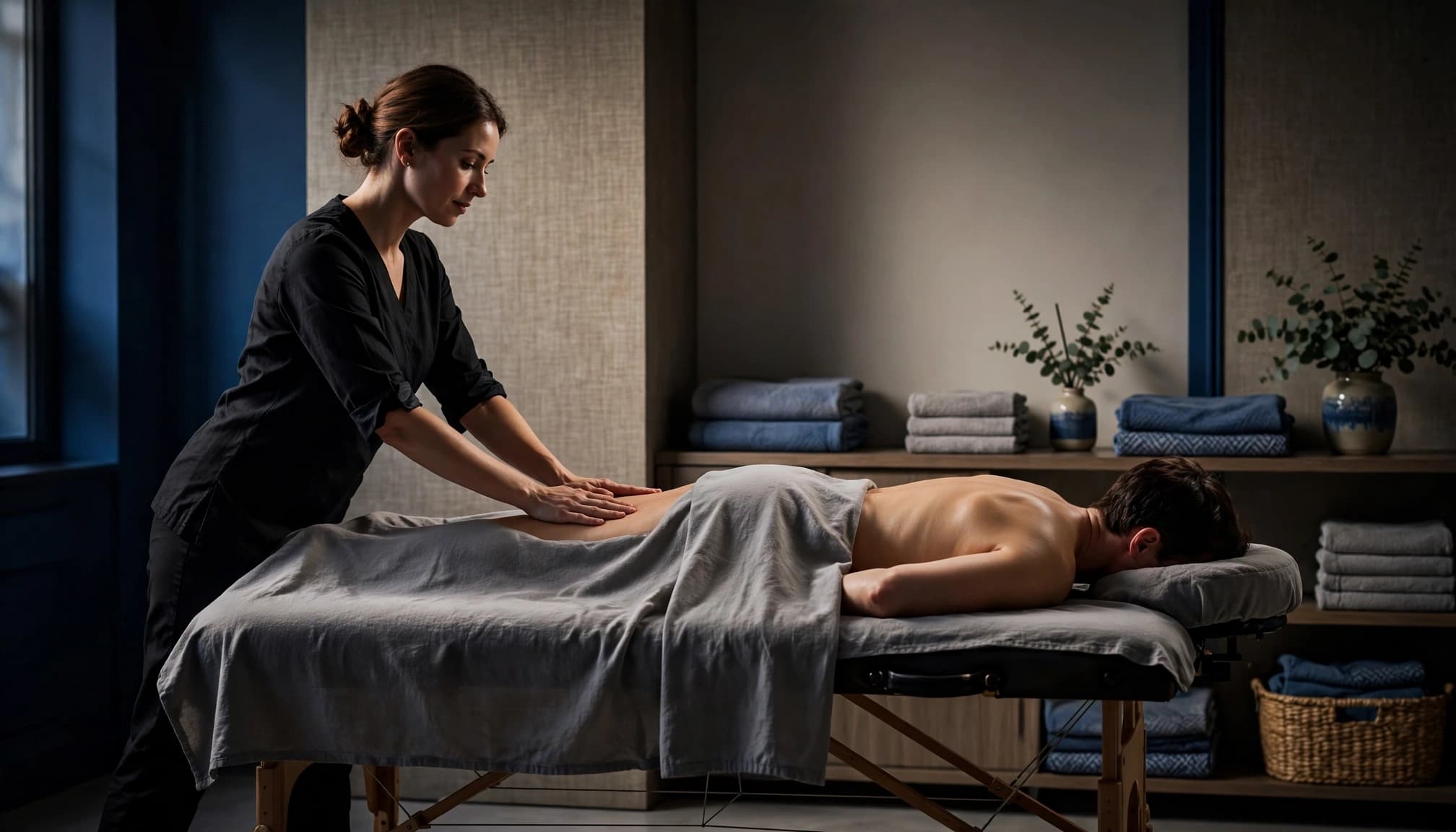
Effleurage uses long, smooth gliding strokes across the skin. The therapist often begins with this technique to spread oil or lotion, warm the body, and introduce a consistent rhythm. Strokes may travel along the back, arms, or legs, usually toward the heart, with pressure adjusted to your comfort.
The sensation should feel broad and calming rather than sharp. Effleurage also helps the therapist learn where your muscles feel tense before applying more focused work. Between techniques, the therapist may return to these gliding strokes to maintain a relaxed pace.
Petrissage involves kneading, lifting, squeezing, or gently rolling soft tissue. The therapist may work the shoulders with alternating hands or knead the muscles along your thighs and calves. This technique reaches more deeply into the muscle than a light gliding stroke, although it should not feel forceful or painful.
Many people describe petrissage as a firm, rhythmic pressure that releases areas of general tightness. It can be especially useful after the muscles have warmed through effleurage.
Friction uses focused circular or cross-fiber pressure over a smaller area. For example, a therapist might use their fingertips or palm in small circles around a tight section of the upper back. The goal is to create focused contact rather than sweep across the entire body.
Friction can feel warmer or more intense than other Swedish massage techniques. Because it concentrates pressure in one spot, tell your therapist if the sensation becomes painful, burning, or too strong.
Tapotement consists of rhythmic tapping, cupping, or light percussion with relaxed hands. A therapist may use it briefly on the back, shoulders, or thighs to stimulate the muscles and add variety to the session. The movement is usually quick and springy, not a heavy pounding motion.
Some clients enjoy the energizing sensation, while others prefer to skip it. Your therapist can reduce the intensity or leave it out entirely.
Passive range-of-motion work involves gently moving a relaxed joint through a comfortable range. The therapist might bend and extend your arm, rotate your shoulder carefully, or move your ankle while you remain relaxed. These movements can support comfortable mobility and help the therapist notice restrictions without asking you to contract the muscles.
The movement should stay slow and controlled. It should never force a joint past its natural limit or create pain. Swedish massage is generally broad relaxation work, so passive movement supports the session rather than turning it into a rehabilitation treatment.
How Pressure and Personal Comfort Shape the Experience
Pressure changes the character of a massage, but firmer pressure does not automatically produce better results. Light pressure feels soothing and superficial, while moderate pressure offers more contact with the muscles. A therapist may use firmer pressure briefly on a well-padded area, but the right level depends on your body, preferences, and health history.
Speak up before discomfort builds. You can ask for lighter or firmer pressure, a warmer room, quieter music, a different pillow, or a new position. You can also identify areas you don’t want touched, such as an injured knee, sensitive abdomen, or healing scar.
Mild tenderness can occur after massage, especially when a tight area receives focused work. Cleveland Clinic notes that ordinary post-massage soreness often settles within a few hours or about a day and a half. However, sharp, stabbing, or burning pain is a reason to ask the therapist to stop or adjust.
Report numbness, tingling, pins-and-needles, breath-holding, or strong discomfort immediately. A useful rule is simple: pressure may feel firm, but it should remain tolerable and controlled. If your body tenses against the touch, the therapist needs your feedback.
What Swedish Massage May Help With, and Where Its Limits Are
Swedish massage is often chosen for everyday comfort rather than a specific medical condition. Its flowing strokes, kneading, moderate pressure, and calm setting may help you relax, reduce mild muscle tension, and feel more at ease after a demanding day. The effects can be worthwhile, but they are usually supportive and temporary rather than curative.
Relaxation, Stress Relief, and Everyday Muscle Tension
Many people book a Swedish massage because they want a clear break from screens, noise, work, and household responsibilities. Lying comfortably in a quiet room gives your attention fewer demands to manage. Meanwhile, slow repeated strokes create a steady rhythm that may help your breathing settle and your muscles stop bracing.
That shift can feel especially welcome when you spend hours sitting, driving, standing, or looking down at a phone. Gentle kneading across the shoulders, back, hips, or legs may ease the sensation of tightness that builds through ordinary activity. Massage may also make it easier to notice how much tension you have been carrying.

The experience is not only about muscle pressure. Feeling cared for, having uninterrupted quiet, and choosing an hour for your own comfort can support a better sense of well-being. Some people also report feeling calmer or sleeping better after a session, although those responses vary and research on sleep benefits remains limited.
Your therapist can make the session more useful by adjusting the pressure and focus. Tell them if you want:
- Broad, gentle strokes for relaxation.
- More attention on tight shoulders or a stiff back.
- Less work around sensitive or injured areas.
- A quieter session with minimal conversation.
A massage should leave you feeling comfortable, not as though you endured a test of toughness. Mild tenderness may occur afterward, but sharp pain, burning, numbness, or tingling calls for an immediate change in pressure or technique.
What the Research Can and Cannot Prove
Research supports a careful description of Swedish massage. It may provide short-term relief for some types of pain and muscle discomfort, but results differ by person, condition, therapist, and treatment schedule. The National Center for Complementary and Integrative Health’s massage guidance describes evidence for several pain conditions as limited, mixed, or low quality.
Massage may help you feel better without correcting the reason you feel unwell. For example, it could temporarily reduce discomfort linked to muscle tightness while an underlying joint problem, nerve issue, injury, or inflammatory condition remains. That distinction matters because temporary comfort can sometimes hide symptoms that need assessment.
A systematic review of Swedish massage research reported beneficial findings in several groups, but it also cautioned against treating massage as disease prevention or a replacement for medical care. You can review the Swedish massage research review for a closer look at the limits of the evidence.
Claims about immunity require particular caution. Massage has not been proven to strengthen immune function, prevent infection, cure disease, or treat serious illness. Similar caution applies to broad promises about permanently improving circulation, correcting posture, removing toxins, or resolving chronic pain after one appointment.
Massage can support comfort and relaxation, but feeling better temporarily does not identify or remove an underlying medical cause.
Seek medical evaluation before relying on massage when symptoms are new, severe, worsening, unexplained, or persistent. Contact a qualified health professional for ongoing pain, significant swelling, numbness, weakness, fever, chest symptoms, recent trauma, or sleep and anxiety problems that interfere with daily life. People with high blood pressure, cancer, blood-clot concerns, pregnancy-related questions, or other medical conditions should also ask for individual guidance before booking.
What Happens During a Swedish Massage Session
A Swedish massage usually begins with a short conversation, continues through a customized hands-on treatment, and ends with simple aftercare guidance. The therapist should explain what to expect, protect your privacy, and adjust the session around your comfort rather than following a fixed routine.
How to Prepare Before You Arrive
Arrive about 10 to 15 minutes early, especially for your first appointment. That gives you time to complete intake forms, use the restroom, silence your phone, and settle in without rushing. A 30-minute session may have a shorter consultation, while 45-, 60-, 90-, and 120-minute appointments allow more time for different areas of the body. Remember that a 60-minute booking often includes consultation, undressing, positioning, and transitions, so hands-on treatment may last less than a full hour.
Drink water normally before your appointment, but don’t force yourself to consume large amounts. Avoid a heavy meal immediately beforehand because lying face down or receiving abdominal pressure can feel uncomfortable. A light meal or snack is usually easier to tolerate.
Wear comfortable clothing that is easy to change out of. You don’t need to shave, apply special products, complete athletic training, or prepare your skin in any unusual way. The therapist may use massage oil or lotion, so avoid applying products that could make the skin slippery or irritated.
During the intake conversation, share relevant health information, including recent injuries, surgeries, pregnancy, chronic conditions, medications, allergies, blood-clot concerns, and areas with reduced sensation. If you’re unsure whether massage is appropriate, ask a healthcare professional before booking. You can also review NCCIH’s massage therapy guidance for evidence and common safety considerations.
Before the treatment starts, identify the areas you want addressed and the areas you want avoided. You might request extra attention for tight shoulders while excluding a healing bruise, sensitive abdomen, painful knee, or recent incision. Clear instructions help the therapist plan the session without guessing.
How to Feel Comfortable During and After the Appointment
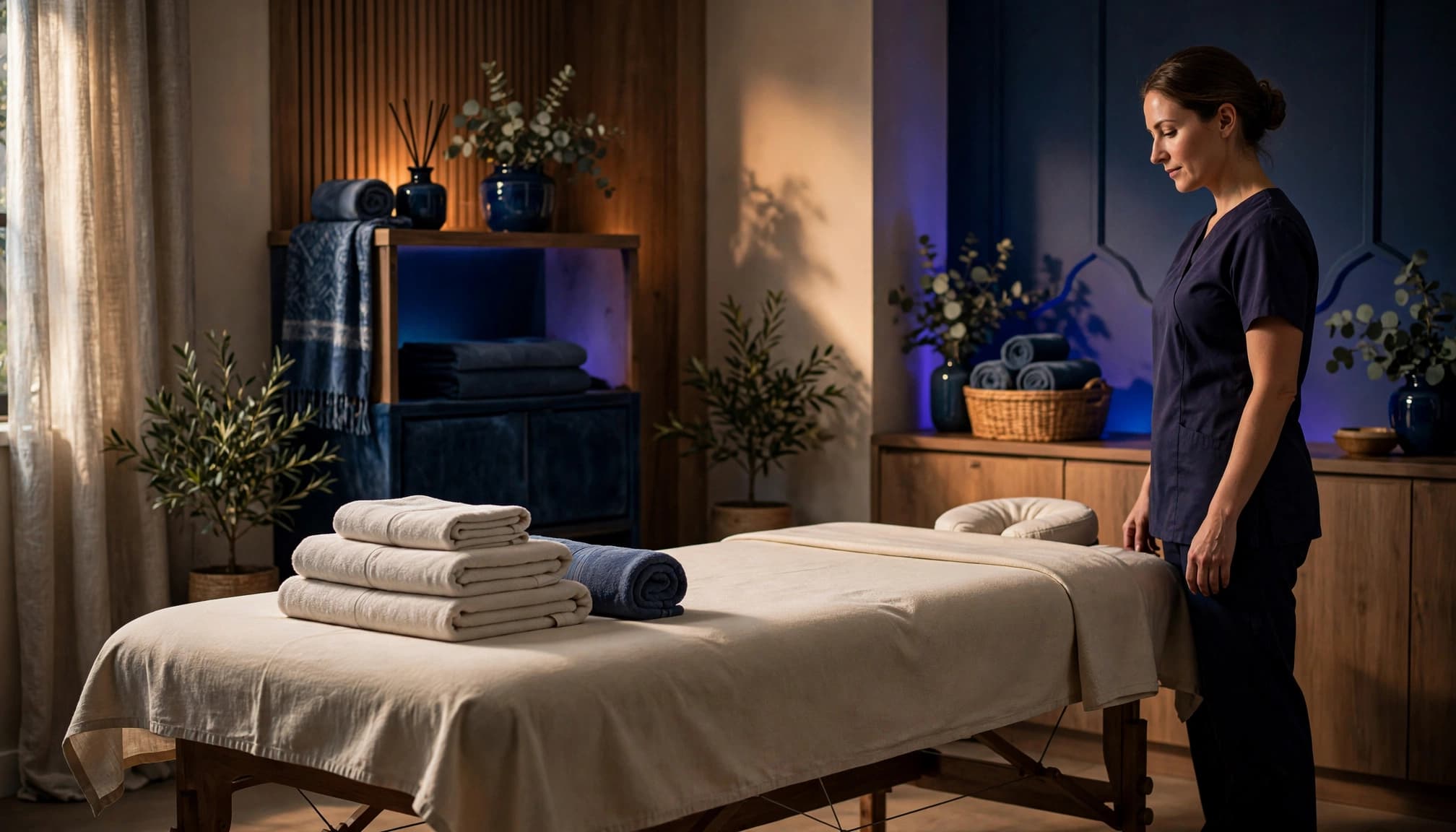
Your therapist should explain where to place your belongings, how to get on the table, and which clothing to remove. You remain covered with a sheet or towel except for the area being treated. The therapist may work with you face down, face up, or on your side, using bolsters or pillows to support your knees, ankles, neck, or shoulders.
Consent should remain clear throughout the appointment. You can decline a body area, change your clothing choice, request more coverage, or stop the session at any time. If a therapist touches an area without explaining it or ignores your request, end the appointment.
Set your pressure preference before the first stroke, then keep communicating as the massage continues. Say “lighter pressure,” “please avoid that area,” or “stop” whenever needed. You never need to tolerate sharp, burning, electric, radiating, or nerve-like pain. Cleveland Clinic’s massage therapy overview also emphasizes telling the therapist when pressure causes discomfort and changing position when necessary.
Afterward, you may feel calm, loose, sleepy, or mildly tired. Mild tenderness can occur, particularly when the therapist works on unfamiliar or tense muscles, and it usually improves within one or two days. Gentle movement, normal hydration, a light stretch, and rest can help you transition back into your routine. Avoid treating soreness as proof that the massage worked better; pain is not the goal.
Contact a medical professional promptly for severe or worsening pain, significant swelling, large or spreading bruises, weakness, numbness, tingling, fever, chest pain, dizziness, or trouble breathing. Stop the session immediately if these symptoms begin during treatment. When your body gives you a warning, listen to it rather than waiting for the appointment to end.
Swedish Massage vs. Deep Tissue Massage: Which One Fits Your Goal?
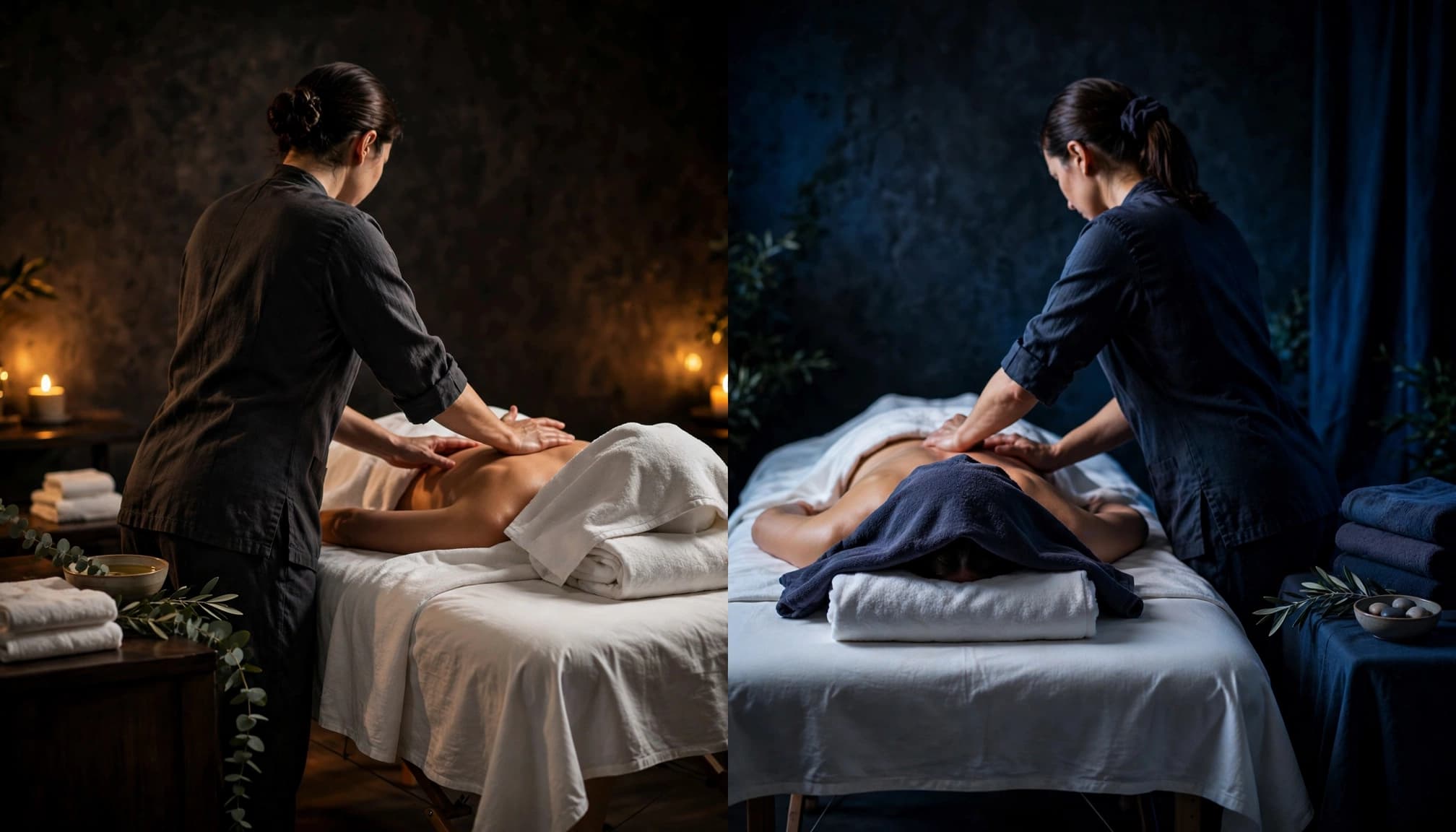
Swedish and deep tissue massage can both reduce muscle tension, but they create different experiences. Swedish massage usually uses flowing strokes, rhythmic kneading, and light to moderate pressure across larger areas. Deep tissue massage uses slower, firmer work on specific muscles or layers that feel persistently tight.
Match the Massage to Your Goal
Choose Swedish massage when you want full-body relaxation, general tension relief, or a comfortable introduction to massage. Its steady pace often suits first-time clients, people who dislike intense pressure, and anyone who wants flowing work across the back, shoulders, arms, and legs.
Deep tissue massage may fit better when one or two areas have ongoing tightness, such as the upper back, glutes, hips, or calves. The therapist may move more slowly, pause over restricted tissue, and use forearms, knuckles, or thumbs with controlled pressure. However, deep tissue should not be defined by pain. Sharp, burning, electric, or overwhelming sensations are signs to reduce pressure or stop.
| Factor | Swedish massage | Deep tissue massage |
|---|---|---|
| Pressure | Light to moderate, adjustable | Usually firmer and more focused |
| Pace | Flowing and rhythmic | Slower, with pauses on specific areas |
| Main focus | Broad muscle groups and overall relaxation | Persistent tightness in selected areas |
| Typical goal | Calm, comfort, and general tension relief | Focused work on restricted or sore muscles |
| Best starting point | First-time clients and relaxation seekers | Clients who already know they tolerate firm pressure |
Some therapists blend both methods. They may begin with Swedish strokes to warm the muscles, then use focused deep tissue techniques where you request extra attention. Discuss your goal before the session so the therapist can adjust pressure, pace, body position, and time spent on each area.
How Much Does a Swedish Massage Cost?
In the United States, a 60-minute Swedish massage often costs about $60 to $120, with many standard services near $80 to $100. Premium spas in major cities may charge more, while independent therapists and introductory offers may cost less. Deep tissue massage often has a higher price because it requires more focused work, although each provider sets its own rates.
A 30-minute appointment usually costs less, while 90- or 120-minute sessions cost more. Price also depends on the therapist’s experience, the spa’s setting, local demand, the neighborhood, and whether you book a mobile service, hotel visit, or clinic appointment. Mobile massage may include travel time and equipment costs, so compare the complete price rather than the advertised base rate.
Prices vary widely in Kenya and other markets. Don’t convert a US range directly into local currency and treat it as a fair quote. Check the provider’s current menu, then ask whether the amount includes taxes, booking fees, consultation time, oils, or add-ons such as aromatherapy.
Tipping is a local custom, not a universal rule. Ask the business about its policy, especially when a service charge is already included. The Cleveland Clinic’s massage therapy overview provides useful context on professional massage services, but your provider’s current menu remains the best source for local pricing.
How to Choose a Safe, Skilled Massage Therapist
Before booking, check whether the therapist has recognized training and any license or registration required in your area. A professional provider should explain the service clearly, publish transparent prices, maintain clean facilities, and offer privacy during changing and professional draping throughout the session.
A safe intake process matters as much as technical skill. The therapist should ask about injuries, surgery, pregnancy, medications, allergies, chronic conditions, and pressure preferences. You should also be able to decline an area, request more coverage, change pressure, or end the appointment without discomfort or argument.
Read reviews for evidence of communication, cleanliness, punctuality, and respect for boundaries. Before confirming, ask who will perform the massage, what pressure they normally use, how they adapt treatment, and how your personal information is handled. Also review cancellation terms before paying a deposit.
Treat these signs as reasons to leave:
- The provider promises to cure a medical condition.
- Pricing changes after arrival or packages receive heavy sales pressure.
- The room, linens, or equipment appear dirty.
- The therapist ignores consent, uses unsafe touch, or exposes areas without clear permission.
- Staff dismiss your concerns when you ask for lighter pressure or a boundary.
Massage may support comfort, but it isn’t a substitute for medical diagnosis. The National Center for Complementary and Integrative Health’s massage guidance notes that serious side effects are rare but possible, so disclose relevant health concerns before treatment.
Swedish Massage Safety: When to Delay, Modify, or Avoid It
Most healthy adults tolerate a gentle Swedish massage well. Still, massage affects soft tissue, circulation, pain perception, and the nervous system, so your health history matters before you get on the table. Share relevant conditions, medications, recent procedures, injuries, pregnancy, and unusual symptoms during booking and again during the intake.

When to Delay or Modify Swedish Massage
Postpone your appointment if you have a fever, flu, contagious infection, or another illness affecting your whole body. Massage can wait until you recover, and staying home also protects the therapist and other clients. A fever around 100.4°F (38°C) or higher is a clear reason to reschedule unless a medical professional gives different advice.
Recent surgery, open wounds, burns, infected skin, and fresh incisions also require caution. Your healthcare provider should decide when massage is appropriate after a procedure. Even after clearance, the therapist may need to avoid the surgical area, use lighter pressure, shorten the session, or position you differently.
An acute injury needs medical attention before massage. This includes a new fracture, severe sprain, significant swelling, suspected muscle tear, whiplash, or unexplained severe pain. Massage over an unhealed fracture can worsen tissue damage. If you have osteoporosis or fragile bones, ask your provider whether gentle massage is safe, and avoid deep pressure over the spine or areas at risk of fracture.
Certain circulation and bleeding concerns require special care. Never massage an area with a suspected or confirmed deep vein thrombosis. A clot can become life-threatening if it travels to the lungs. One-sided leg swelling, warmth, redness, tenderness, sudden shortness of breath, chest pain, or coughing blood requires urgent medical care, not a massage appointment.
Tell the therapist if you take blood thinners, have a bleeding disorder, or have a low platelet count. These conditions can increase bruising or bleeding, especially when the therapist uses firm pressure. Your provider may recommend postponement, lighter techniques, or treatment by someone with relevant clinical training.
Uncontrolled high blood pressure, unstable heart disease, recent heart attack, stroke, severe heart failure, and serious breathing problems require medical clearance. A massage therapist does not diagnose these conditions or determine whether they are stable. The same rule applies to cancer, particularly when treatment is active or cancer has weakened the bones. Oncology clearance may be needed, and the therapist may need to avoid tumors, treatment sites, ports, or areas affected by bone metastases.
A massage therapist can adapt pressure and positioning, but they cannot diagnose a clot, fracture, infection, or heart problem.
Seek urgent care for emergency symptoms such as chest pain, trouble breathing, fainting, sudden weakness, confusion, uncontrolled bleeding, severe allergic symptoms, or rapidly worsening pain. Do not try to manage these symptoms by modifying a massage session.
Questions to Ask Before Booking
A short conversation can reveal whether a provider is prepared to protect your comfort and health. Ask practical questions before paying a deposit, especially when booking in a new city:
- What training, license, registration, or certification does the therapist hold, and who will perform my session?
- Can you offer light, moderate, or firm pressure, and how do you adjust the treatment if an area feels uncomfortable?
- How do you handle draping, privacy, changing, and areas I don’t want touched?
- Will the appointment include an intake conversation about medications, injuries, pregnancy, surgery, and medical conditions?
- How long is the hands-on portion of a 30-, 60-, or 90-minute booking?
- What is the total cost, including taxes, service charges, deposits, tips, oils, or other add-ons?
- What is the cancellation, rescheduling, late-arrival, and refund policy?
- Can the therapist modify the session for my health needs, or do I need medical clearance first?
- What should I do if I feel pain, become dizzy, or want the session to stop?
A trustworthy provider answers clearly and respects your decision. If staff dismiss your concerns, pressure you to book, promise to cure a medical condition, or avoid explaining consent and privacy policies, choose another therapist. You should feel comfortable asking questions before Swedish massage begins.
Finding Swedish Massage at Sherry Massage Spa
Booking a Swedish massage in Kenya should involve more than finding an open time slot. Whether you’re considering Sherry Massage Spa or another local provider, judge the entire client experience before you pay. Skilled massage techniques matter, but so do communication, hygiene, privacy, pricing, and the way staff respond to your concerns.
What to Look for in a Local Spa Experience
Start with clear communication. Ask whether Swedish massage is currently offered, who will perform the session, how long the appointment lasts, and whether the quoted time includes consultation and changing. Confirm the current service menu, location, opening hours, booking method, session lengths, therapist availability, and total price through the spa’s official website or verified contact channels. These details can change, and search results or old social media posts may not reflect the current offer.
Ask for the price in the currency you will actually pay. If the spa quotes USD, ask whether it also accepts Kenyan shillings and which exchange rate applies. Confirm whether taxes, service charges, oils, deposits, or other add-ons are included. A trustworthy provider should explain cancellation, late-arrival, refund, and rescheduling terms before taking payment.
Cleanliness should be easy to observe. Look for fresh linens, clean towels, tidy treatment rooms, sanitized equipment, and a private place to change. The therapist should wash their hands, explain draping, and expose only the area being treated. You should never feel pressured to accept unnecessary touch or disclose more personal information than the service requires.
Training matters, but a certificate alone doesn’t guarantee a good session. Ask about the therapist’s massage training and experience with Swedish techniques. During the consultation, they should ask about injuries, surgery, pregnancy, medications, allergies, skin conditions, blood-clot concerns, and chronic health problems. They should also ask about your preferred pressure and areas you want avoided. Informed consent should continue throughout treatment, as described in this massage therapy code of practice.

Reviews can reveal patterns that a service menu cannot. Look for recent comments about cleanliness, punctuality, respectful communication, pressure adjustments, and accurate pricing. One negative review may not tell the whole story, but repeated complaints about boundary violations, surprise charges, or poor hygiene deserve serious attention.
Before booking with Sherry Massage Spa, ask:
- Is Swedish massage available directly at this spa today?
- What pressure options can the therapist provide?
- How will you protect privacy and handle areas I don’t want touched?
- Does the therapist need medical clearance for my health concerns?
- What is the full appointment price, and what does it include?
- How can I reschedule if my plans change?
A quality spa treats your questions as part of the service, not as an inconvenience. If staff avoid basic answers, dismiss your health history, pressure you to pay quickly, or refuse to explain consent and cancellation terms, choose another provider. The best Swedish massage experience combines comfortable technique with respectful treatment before, during, and after the appointment.
Frequently Asked Questions
Choosing a Swedish massage often raises practical questions about pressure, timing, clothing, and safety. These answers can help you feel more prepared before booking, especially if you’re new to massage or managing an ongoing health concern.
Is Swedish massage painful?
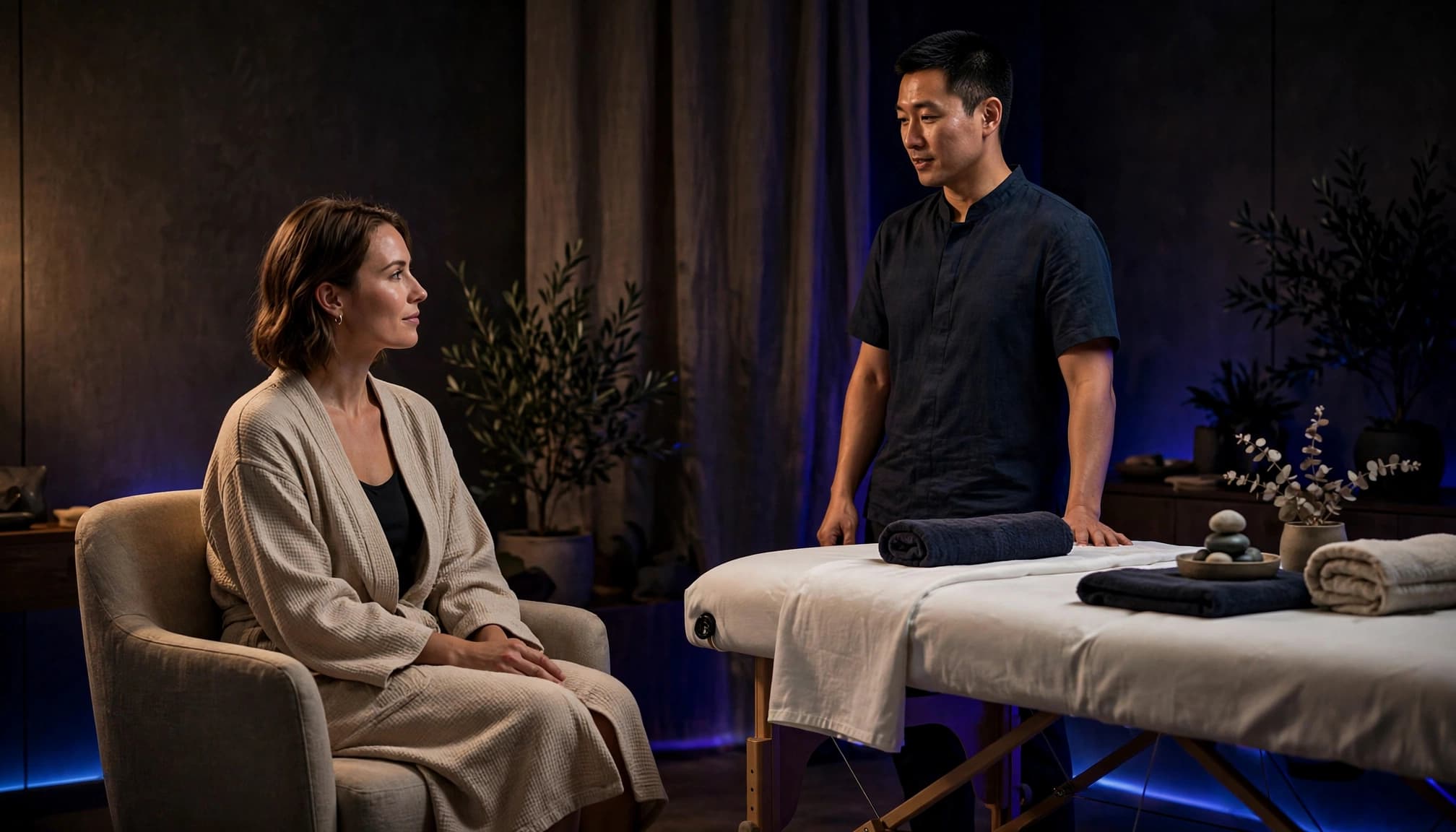
Swedish massage should generally feel comfortable, calming, or mildly intense rather than sharply painful. Some focused work may create temporary tenderness, but you shouldn’t need to brace your body, hold your breath, or tolerate burning, stabbing, electric, or radiating sensations.
Tell your therapist immediately if the pressure feels too strong or causes a concerning sensation. They can use lighter pressure, change the technique, reposition you, or stop working on that area. Pain isn’t proof that the massage is effective, and speaking up helps keep the session safe and useful.
How often should someone get a Swedish massage?
There is no schedule that every person needs to follow. Your ideal frequency depends on your goals, budget, health history, available time, and how your body responds after each appointment.
For occasional relaxation, you might book a Swedish massage when stress or muscle tension builds. If you prefer regular sessions, discuss a reasonable schedule with a qualified therapist and adjust it based on your response. Ongoing pain, worsening symptoms, or repeated soreness deserves medical evaluation rather than more frequent massage.
Can I get a Swedish massage if I have never had one before?
Yes, Swedish massage is often a comfortable starting point for a first appointment. The therapist can explain each step, begin with gentle strokes, and adjust pressure as you learn what feels good.
Before treatment starts, mention that you’re new to massage and share any nerves or questions. Tell the therapist about injuries, recent procedures, medications, health conditions, pressure preferences, and areas you don’t want treated. You remain in control throughout the session, and you can request more coverage, a different position, lighter pressure, or an end to the appointment.
Should I choose a 60-minute or 90-minute session?
A 60-minute session is a common choice for a first Swedish massage or a balanced full-body treatment. It usually provides enough time to work across the major areas without making the appointment feel too long.
A 90-minute booking gives the therapist more room to move at a slower pace, spend extra time on tight shoulders or legs, or provide a more complete full-body session. Before booking, confirm how much time is hands-on. Intake, changing, positioning, payment, and aftercare may reduce the actual massage time included in the appointment.
Can Swedish massage replace treatment from a doctor or physical therapist?
No. Swedish massage may support relaxation and short-term comfort, but it doesn’t replace diagnosis, medical treatment, physical therapy, rehabilitation, or urgent care. A massage therapist cannot determine whether pain comes from a strained muscle, fracture, nerve problem, infection, or another condition.
Seek professional evaluation for persistent, worsening, severe, or unexplained symptoms. Get urgent care for chest pain, trouble breathing, sudden weakness, fainting, severe swelling, or symptoms after a serious injury. Continue any treatment prescribed by your healthcare provider unless that provider tells you otherwise.
What should I wear to a Swedish massage appointment?
Arrive in comfortable clothing that you can change out of easily. Clients typically undress only to their personal comfort level, and professional draping should keep the body covered except for the area being treated.
During the session, the therapist should expose one area at a time while keeping the rest of your body covered with a sheet or towel. You can keep on undergarments or other clothing if that makes you more comfortable. Ask the provider about its clothing, privacy, and draping policy before your appointment, since practices can vary between spas and therapists.
Conclusion
Swedish massage is a flexible, approachable choice for relaxation, everyday muscle tension, and a calming full-body experience. Its flowing strokes, adjustable pressure, and steady pace make it suitable for many people, including those trying massage for the first time. However, it isn’t a cure-all and shouldn’t replace medical care for persistent, severe, or unexplained symptoms.
Before booking, choose a qualified provider that respects consent, privacy, hygiene, and your health history. Share information about injuries, pregnancy, medications, recent procedures, and chronic conditions, then explain the pressure and areas you prefer. Compare the hands-on time, session length, total price, cancellation terms, and any extra fees instead of judging an appointment by its advertised duration alone.
If you’re considering a spa such as Sherry Massage Spa, contact it through its verified current channels to confirm the available Swedish massage service, provider, price, location, and booking details. The right session is one that matches your comfort, goals, budget, and health needs, so review the practical details first and book with confidence.