
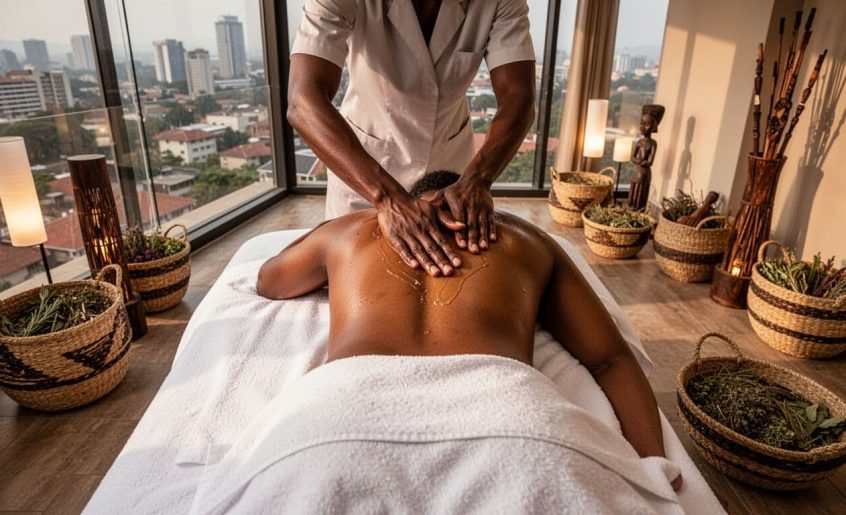
Thai Massage Guide: Benefits, Safety, and What to Expect
If you want a massage that eases tension while helping you move more freely, Thai massage offers a more active experience than a typical oil-based treatment. You remain clothed while the therapist uses focused pressure, body compression, assisted stretching, and gentle joint movement to work through stiffness and muscle tension.
Unlike a Swedish massage, which usually relies on flowing strokes for relaxation, Thai massage asks your body to participate through guided movement. This guide explains what happens during a session, the potential benefits, and the safety questions to consider before booking. You’ll also find current Nairobi price ranges, comparisons with Swedish, deep tissue, and hot stone massage, plus practical advice for choosing a trusted provider.
Published Nairobi listings vary from about KES 4,500 to KES 12,000, depending on the spa, session length, and setting. For example, Aj Spa Nairobi and Blossom Spa list one-hour treatments at KES 5,000, while premium hotel spas may charge more. Thai massage can support relaxation and mobility, but it doesn’t replace medical care, especially if you have an injury, recent surgery, pregnancy, osteoporosis, or ongoing pain. Start by looking at how the technique works and what you can expect when the session begins.
Key Takeaways
- Thai massage combines focused pressure, compression, assisted stretching, and gentle joint movement while you remain clothed.
- Many people choose it to ease tension, support mobility, and promote relaxation, but results vary by person.
- Tell your therapist about injuries, recent surgery, pregnancy, osteoporosis, open wounds, blood-thinning medication, or clot concerns before treatment.
- You should feel controlled pressure, not sharp or significant pain; ask the therapist to adjust the technique whenever needed. Review Thai massage safety guidance before booking.
What Is Thai Massage and How Does It Work?
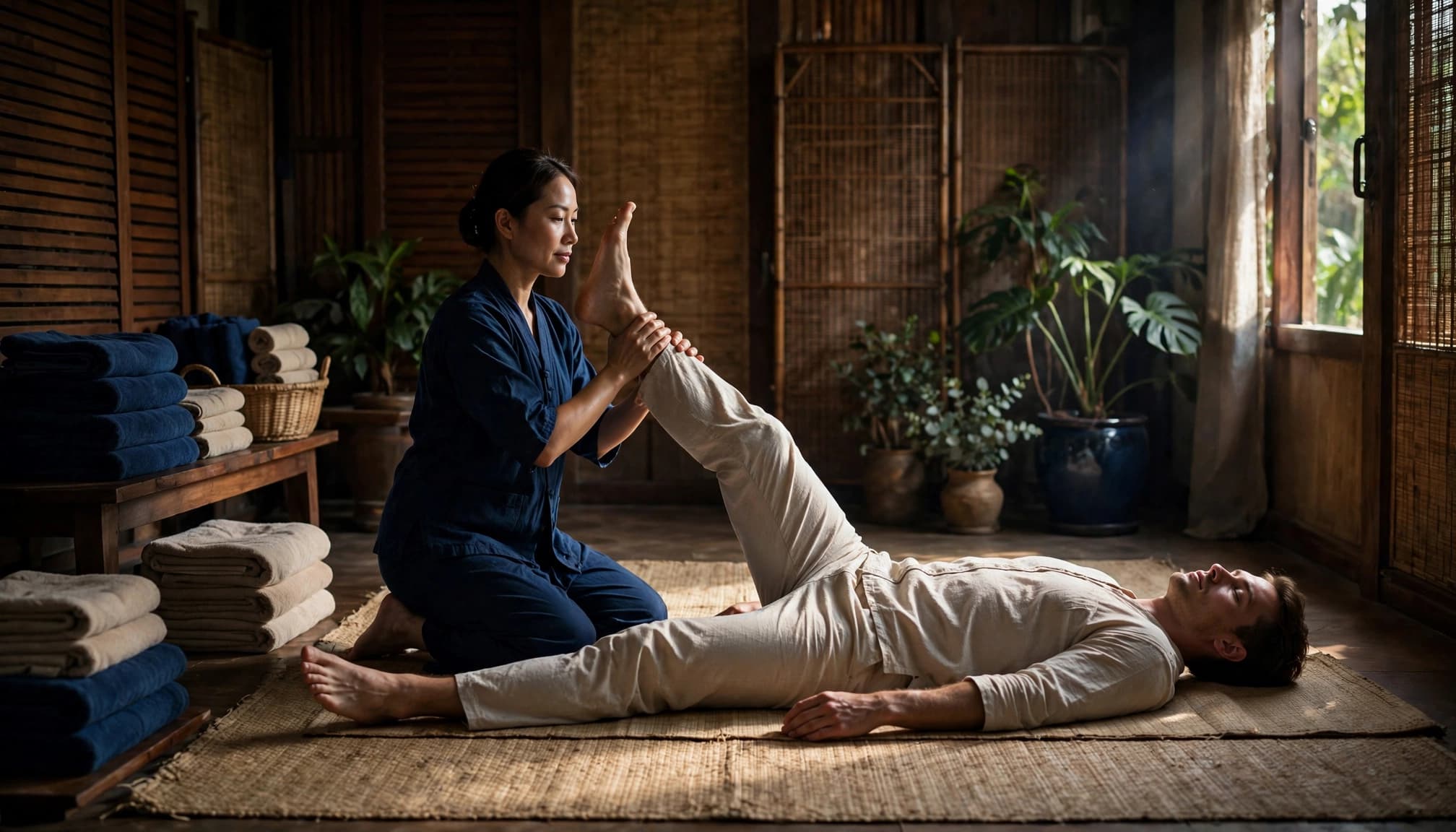
Thai massage is a traditional bodywork practice that combines focused pressure, rhythmic compression, assisted stretching, and gentle joint movement. Unlike an oil-based massage performed on a table, it usually takes place on a padded floor mat while you remain fully clothed.
The therapist works with your body position and breathing rather than simply rubbing muscles. The exact approach varies with the therapist’s training, session length, and your goals, so two Thai massage sessions may feel noticeably different.
The Traditional Ideas Behind Thai Bodywork
Thai massage developed within traditional Thai medicine, which has its own explanations for how the body functions. Practitioners often describe working along Sen lines, traditionally understood as energy pathways that run through the body. These lines guide where pressure and movement may be applied during a session.
Sen lines are part of a traditional framework, not a confirmed map of human anatomy or a medical diagnosis. Some modern massage education materials describe their role in traditional Thai energy lines, while medical care relies on anatomy, clinical assessment, and evidence-based treatment.
That distinction matters. Thai massage may help you feel more relaxed or mobile, but it shouldn’t replace care for an injury, illness, or persistent pain. Tell your therapist about health conditions before treatment, and seek medical advice when symptoms need diagnosis.
The Main Techniques You May Feel During a Session
A Thai massage therapist may use the hands, thumbs, forearms, elbows, knees, or feet to apply pressure. Broad compression can feel steady and grounding, while focused thumb or finger pressure may target a tight area. The therapist should use controlled body weight, not sudden force.
You may also experience assisted stretches that resemble gentle yoga positions. For example, the therapist might support your leg while guiding it through a careful hamstring stretch, or help rotate your shoulder within a comfortable range. Rocking and rhythmic movement can make the treatment feel less static than Swedish massage.
Controlled joint movement is another common feature. The therapist may slowly move an arm, leg, ankle, or hip while you stay relaxed. Sharp pain, numbness, or forceful resistance is not a normal goal. Speak up if the pressure feels too strong, and expect the therapist to explain or check before using deeper pressure or a stronger stretch.
Why Thai Massage Is Usually Done Fully Clothed
Loose clothing gives your body room to bend, rotate, and extend without restricting movement. Athletic pants, soft shorts, a T-shirt, or breathable layers usually work well. Avoid stiff jeans, belts, tight waistbands, bulky zippers, and clothing that could dig into your skin during floor-based movement.
Traditional Thai massage commonly uses little or no oil. Dry skin helps the therapist maintain controlled contact while supporting limbs, applying compression, and guiding stretches. The clothing also provides comfort and privacy throughout the session.
Because spa policies differ, ask what to wear when booking. Some providers supply simple garments, while others expect you to bring flexible clothing. Choose fabric that lets you move freely and feels comfortable when lying on a mat.
What Happens During a Thai Massage Session?
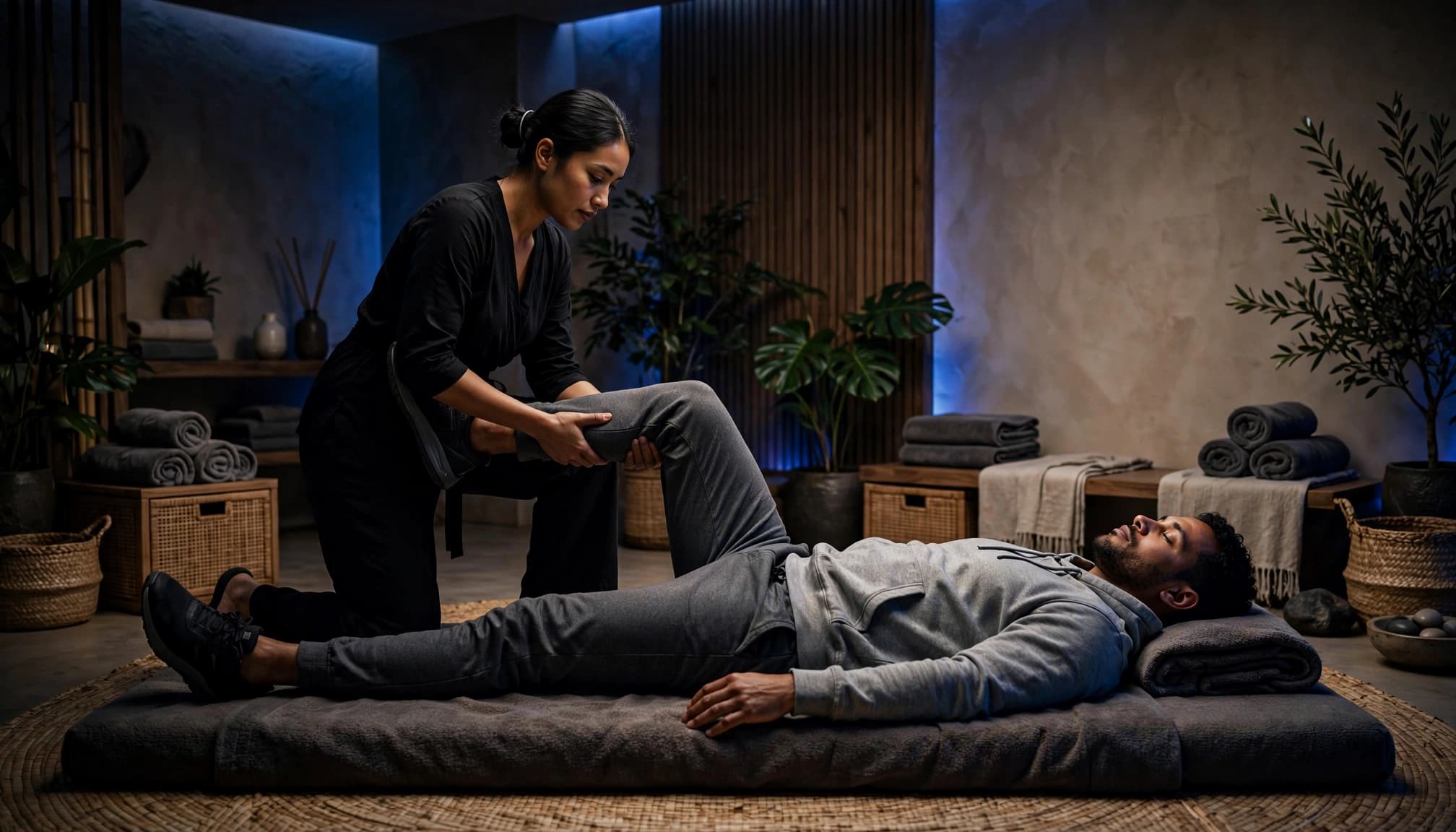
A Thai massage session is an active, clothed treatment that usually takes place on a padded floor mat. Most appointments last 60 or 90 minutes, giving the therapist time to assess your needs, warm up the muscles, apply compression, guide stretches, and let your body settle before you leave.
How to Prepare for Your First Thai Massage
When booking in Nairobi, confirm the location, session length, clothing policy, and therapist’s training. Ask whether the treatment is traditional Thai massage, sports-focused bodywork, or a blend with Swedish, deep tissue, or another style. These approaches can feel very different, even when they share the same name.
Arrive a little early so you can complete the intake without rushing. Wear loose, flexible clothing, such as joggers, leggings, soft trousers, or a breathable shirt. Avoid jeans, belts, stiff waistbands, and bulky clothing that restricts movement. Drink water during the day, but eat lightly rather than having a heavy meal immediately before treatment.
During the consultation, explain your goals clearly. You might want better mobility, stress relief, support during recovery, or focused work for tight shoulders and hips. Also mention injuries, recent surgery, medications, pregnancy, osteoporosis, blood pressure concerns, or any other medical condition. Pregnancy may require a specially trained therapist, so review pregnancy massage safety guidance before booking.
What Good Pressure and Safe Stretching Should Feel Like
The therapist normally begins with a gradual warm-up. You may lie on your back, stomach, or side while they use rhythmic compression and broad pressure on the legs, back, shoulders, or arms. Next, they may support a limb, guide a joint through a comfortable range, or place your body into a gentle assisted stretch.
Mild discomfort, steady pressure, or a pulling sensation can occur, especially around stiff muscles. However, sharp, burning, electric, or numb sensations are warning signs, not evidence that the treatment is working. Productive stretching feels controlled and tolerable. You should still be able to breathe normally and relax the muscles being worked.
Communication should continue throughout the appointment. Ask for less pressure, request a slower movement, skip a stretch, change position, or stop the treatment at any time. A professional therapist will adjust without making you feel uncomfortable for speaking up.
What to Do After Thai Massage
The therapist may finish with gentle movement, light compression, or a short rest period. Take your time getting up, particularly after a vigorous session, because your body may feel relaxed or temporarily heavy.
Drink fluids as you normally would, take a gentle walk, and avoid intense exercise immediately afterward if you feel tired or unsteady. Mild soreness can happen after unfamiliar stretching or firm pressure, but drinking extra water doesn’t guarantee that soreness will disappear.
Rest and observe how you feel over the next day. Severe, worsening, unusual, or persistent symptoms deserve medical advice rather than another massage. A good session should leave you feeling cared for, informed, and able to move comfortably within your normal limits.
What Benefits Can Thai Massage Offer?
Thai massage may help you feel more mobile, less tense, and more settled after a session. However, results vary with your condition, the therapist’s skill, the treatment intensity, and how often you receive care. Research suggests the clearest short-term benefits involve flexibility, perceived muscle tension, and anxiety, while evidence for long-term recovery remains limited.
Support for Flexibility and Range of Motion
Thai massage combines assisted stretching, gentle joint movement, and focused compression. These techniques may temporarily reduce the sensation of stiffness and make certain movements feel easier. When a therapist supports your limb during a stretch, your muscles don’t need to control the entire movement alone. That assistance can let you explore a comfortable range without forcing the joint.
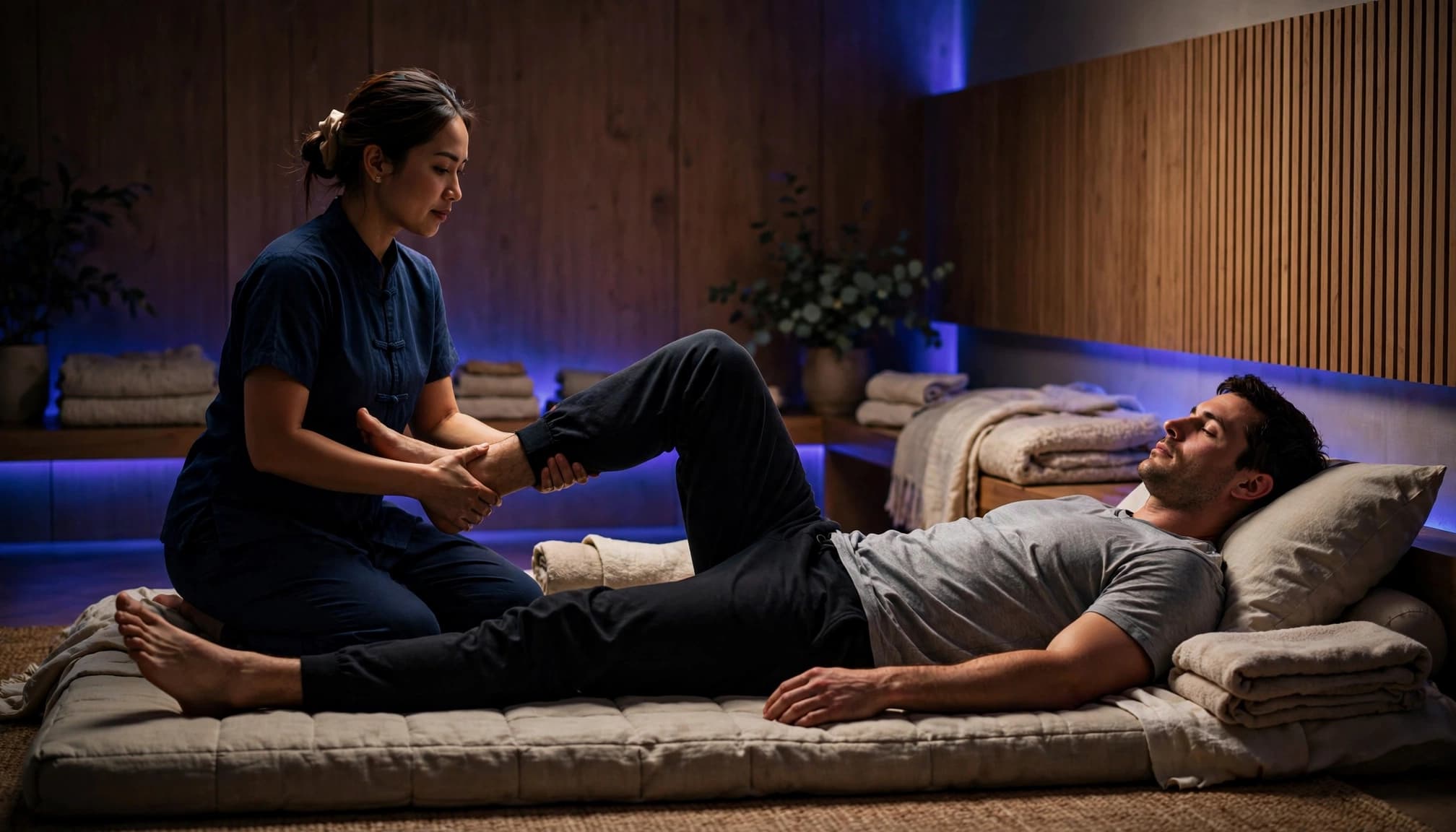
For example, your hips, shoulders, or hamstrings may feel more open when you stand, walk, or reach after treatment. A review of research on massage and stretching found that both approaches can produce short-term flexibility changes, although results differ between people and treatment methods. You can read the research on massage and flexibility for a closer look at these findings.
That improvement doesn’t prove an injury has healed. Thai massage may change how movement feels without repairing damaged tissue, correcting a structural problem, or resolving the cause of ongoing pain. If you have persistent loss of mobility, swelling, weakness, numbness, or pain, ask a qualified healthcare professional for an assessment before booking further massage.
Relaxation, Stress Relief, and Muscle Tension
Slow, rhythmic pressure may help some people shift away from a tense, alert state. A therapist may work gradually while you breathe at a steady pace, giving your body time to respond instead of bracing against sudden force. Focused breathing can also help you notice where you hold tension in your jaw, shoulders, back, or hips.
Some people leave a Thai massage feeling calm and ready to rest. Others feel refreshed, alert, or energized because the session includes movement and stretching. Both responses are normal. Tell your therapist whether you want a gentle, relaxing treatment or a more active session, then ask for adjustments if the pressure feels excessive.
Thai Massage for Active People and Recovery
Athletes and active adults may include Thai massage in a broader recovery routine. Assisted stretching and compression can make tight areas feel less restricted after training, while the slower pace may help you reconnect with comfortable movement. Some research also suggests massage may support flexibility after demanding activity, but it doesn’t guarantee better performance or faster tissue repair.
Use massage alongside rest, adequate nutrition, strength training, gradual load management, and any rehabilitation plan. It shouldn’t replace medical evaluation for an acute injury, physiotherapy for a diagnosed condition, or recovery time after unusually hard exercise. Avoid forceful stretching over fresh sprains, strains, fractures, dislocations, or areas with significant swelling.
A sensible session should leave you able to move comfortably within your usual limits. If soreness becomes severe, symptoms worsen, or an injury continues to limit activity, pause massage and seek professional advice.
Is Thai Massage Safe for Everyone? Important Risks and Precautions
Thai massage is safe for many healthy adults when a trained therapist adjusts the session to the client’s needs. However, it can be more demanding than a gentle relaxation massage because it may involve firm pressure, assisted stretching, compression, and controlled joint movement. If you have a major health condition, recent injury, or unusual symptoms, medical clearance should come before booking.
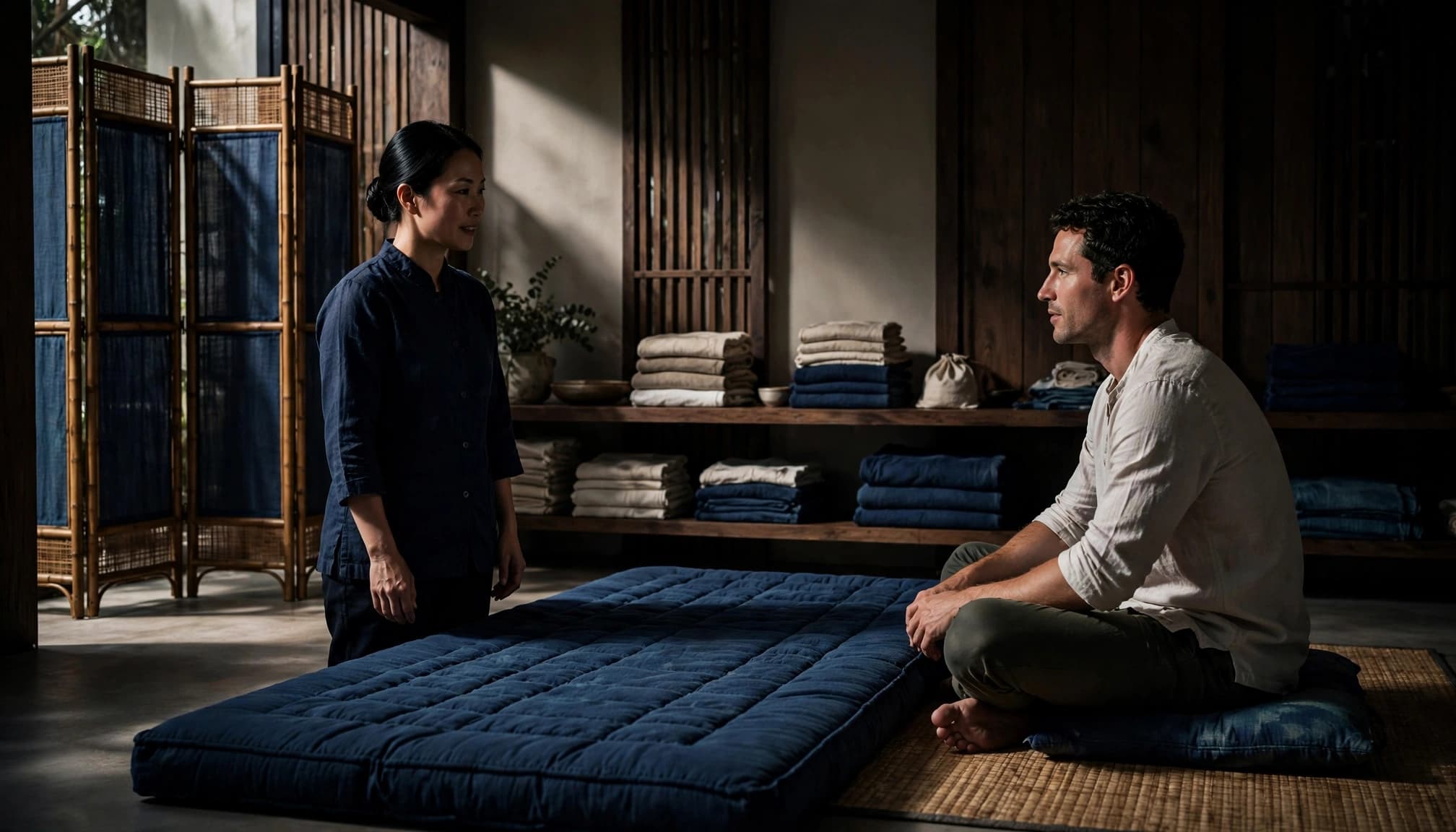
When to Ask a Doctor Before Booking
Speak with a healthcare professional before Thai massage if you have a condition that could worsen with pressure, stretching, changes in position, or physical stress. A doctor can assess your specific risks, while a massage therapist cannot diagnose whether treatment is medically safe.
Ask for medical advice first if you have:
- Heart disease, heart failure, a recent heart attack, or another unstable cardiovascular condition.
- Uncontrolled high blood pressure, especially if you also experience headaches, chest discomfort, or shortness of breath.
- Diabetes with circulation problems, reduced sensation, slow-healing wounds, or other complications.
- Osteoporosis, very low bone density, or a history of fractures.
- A current or recent blood clot, deep vein thrombosis, pulmonary embolism, or serious circulation concern.
- Cancer, active cancer treatment, weakened bones, or treatment-related complications.
- A recent surgery, unhealed fracture, dislocation, sprain, strain, or other acute injury.
- Pregnancy, particularly a high-risk pregnancy or the first trimester, unless your prenatal provider approves massage.
- Neurological symptoms such as new weakness, numbness, loss of balance, paralysis, severe headaches, or unexplained changes in sensation.
- Unexplained severe pain, significant swelling, fever, an open wound, or an infection.
Massage should also be postponed while you recover from acute injury or surgery. A therapist must not work over an area that is swollen, bruised, infected, or injured. For a useful overview of conditions that may require modified treatment, review these massage contraindication guidelines.
Pregnancy, cancer, neurological conditions, and musculoskeletal disorders need individual assessment rather than a one-size-fits-all rule. Your doctor, surgeon, oncologist, or prenatal provider may recommend waiting, avoiding certain areas, or choosing a therapist with specific training.
How to Share Medical Information With the Therapist
Be honest during the intake, even if a detail seems unrelated to massage. Tell the therapist about your medications, blood thinners, diabetes, chronic pain, allergies, recent injuries, surgeries, pregnancy, and any condition that affects movement or sensation.
Also identify areas the therapist should avoid. This may include a surgical site, painful joint, varicose vein, bruise, rash, swollen limb, implanted device, or region with reduced sensation. If you take medication that affects bleeding, blood pressure, muscle control, or pain perception, mention it before treatment.
Privacy and consent matter throughout the appointment. You should understand what the session involves, what clothing remains on, how draping works, and which techniques the therapist plans to use. You can decline a technique, ask for a different position, or stop the session without having to justify your decision.
A professional therapist uses your health information to adjust treatment, not to pressure you into accepting more intense work.
Ask questions before lying on the mat. Find out whether the therapist is trained in Thai massage, how they modify sessions for medical conditions, and what they do if a client feels unwell. A qualified provider should welcome those questions and explain the service in clear language.
Signs of a Professional and Safe Massage Practice
A safe practice starts before the massage begins. The provider should collect basic health information, ask about your goals, and explain the treatment instead of treating every client with the same routine.
Look for these practical signs:
- The provider completes a health intake and gives you time to describe relevant conditions.
- Staff explain the session length, treatment style, clothing guidance, and total price before starting.
- The treatment space is clean, private, well maintained, and prepared with fresh linens.
- The therapist can describe their training and has experience modifying Thai massage safely.
- The therapist requests informed consent before applying pressure or guiding a stretch.
- You receive appropriate privacy, draping, and clear instructions about what to wear.
- The therapist checks your comfort and adjusts pressure, pace, position, or range of motion.
- You can pause or stop treatment at any point without criticism or embarrassment.
The therapist should never force a joint, aggressively manipulate your neck, bounce a stretch, or use sudden pressure to push through resistance. Thai massage should not leave you feeling that you had to tolerate pain to receive a benefit.
Stop the session immediately if you develop dizziness, chest pain, shortness of breath, numbness, severe pain, sudden weakness, confusion, or a feeling that something is wrong. Seek appropriate medical help for serious or persistent symptoms. After treatment, worsening pain, new weakness, marked swelling, breathing difficulty, or unusual neurological symptoms also require prompt medical attention.
Avoid providers who promise to cure serious conditions, dismiss your medical history, ignore pain, refuse to explain the service, or suggest that stronger pressure always produces better results. A safe Thai massage is collaborative, controlled, and responsive to your body.
Thai Massage Compared With Swedish and Deep Tissue Massage
Thai massage, Swedish massage, and deep tissue massage can all ease tension, but they create very different experiences. The main differences involve clothing, oil, treatment surface, movement, pressure, and the result you want afterward.
Names and techniques vary between spas, so ask what the provider actually includes before booking. A session labeled “Thai massage” may be traditional floor-based bodywork, while another may combine Thai techniques with oil massage or deep pressure.

Thai Massage vs. Swedish Massage
Thai massage usually takes place on a padded floor mat while you wear loose, comfortable clothing. The therapist uses compression, body positioning, assisted stretching, rhythmic pressure, and gentle joint movement. You may change positions several times, so your body participates in the session even while you remain relaxed.
Swedish massage usually takes place on a massage table. The therapist applies oil or lotion and uses long, gliding strokes, kneading, and lighter friction across the body. You typically remain still under appropriate draping, making the experience more passive and focused on general relaxation. Healthdirect’s massage therapy guide describes massage as soft-tissue work that can be adapted to different needs and techniques.
Choose Thai massage if you want movement, mobility work, and active stretching. It may suit you after long periods of sitting or when your body feels stiff rather than simply tired. Choose Swedish massage if you prefer a smoother, gentler session that helps you relax without being moved through multiple stretches.
The after-effects can differ as well. Thai massage may leave you feeling more open, mobile, or energized, although mild soreness can follow unfamiliar stretching. Swedish massage often leaves people calm, sleepy, and less aware of general muscle tension. Personal preference and health needs should guide the decision, not the assumption that one style is better.
Thai Massage vs. Deep Tissue Massage
Deep tissue massage usually focuses on selected areas of muscular tightness. The therapist uses slower, concentrated strokes and sustained pressure on regions such as the shoulders, lower back, glutes, or legs. Movement is limited compared with Thai massage, although the therapist may add stretching or myofascial techniques.
Thai massage combines pressure with whole-body movement. Instead of staying focused on one tight spot, the therapist may work through several positions while compressing muscles and guiding your limbs through a comfortable range. The pressure can still feel intense, especially around stiff areas, but intensity comes through stretching and body positioning as well as direct pressure.
Neither style should be judged by how much discomfort you can tolerate. Deep tissue massage is not automatically more effective because it feels stronger, and Thai massage should not force a stretch to create results. Sharp, burning, electric, or worsening pain is a reason to ask for an immediate adjustment.
Your pain level, medical history, current injuries, and treatment goal all matter. Recent surgery, acute inflammation, osteoporosis, joint replacement, clot concerns, or reduced sensation may make firm pressure or assisted stretching unsafe without medical advice. Therapist skill matters just as much because both techniques require careful pressure control and clear communication.
Which Massage Style Fits Your Goal?
Use this simple guide as a starting point:
- Choose Thai massage when your priority is mobility, assisted stretching, and a more active session on a mat.
- Choose Swedish massage when you want calm, general relaxation, flowing strokes, and a gentler table-based experience.
- Choose deep tissue massage when you need targeted work on persistent muscular tightness and can safely tolerate concentrated pressure.
You don’t have to make a rigid choice. During the consultation, explain where you feel tension, how much pressure you prefer, and whether movement feels comfortable. A skilled therapist may modify the session or blend techniques, such as using Swedish strokes for relaxation and selected Thai stretches for mobility.
How Much Does Thai Massage Cost in Nairobi?
Thai massage prices in Nairobi vary widely, so treat online figures as starting points rather than fixed rates. Many listings place a 60-minute session between KES 4,500 and KES 10,000, while premium hotel spas may charge KES 8,000 to KES 12,500 or more for 60 to 90 minutes.
A lower price can offer good value, but compare the service behind the quote. Confirm the current rate directly before booking, especially if the listing is a guide, directory, or older menu.

What Changes the Price of a Thai Massage?
Session length is usually the first price difference. A 60-minute Thai massage may cost around KES 4,500 to KES 10,000 in independent spas, while a 90-minute appointment costs more because the therapist has extra time for a full-body sequence, stretching, and slower transitions.
The spa’s setting matters too. Independent studios in areas outside central Nairobi may offer lower rates than premium facilities in Westlands, Kilimani, Karen, or high-end hotels. Hotel spas charge for location, facilities, privacy, service standards, and the broader guest experience. For example, The Jet Spa has listed a 90-minute Thai massage at KES 13,500, while some local market guides place Thai treatments closer to KES 5,000 to KES 8,000.
Therapist experience can also affect the quote. A practitioner with formal Thai massage training, strong anatomy knowledge, and experience adapting treatment for health conditions may charge more than a general massage provider. Peak booking times, including evenings, weekends, holidays, and hotel busy periods, may reduce availability or increase the total cost.
Optional upgrades can add to the bill. Ask whether the treatment includes:
- Oil, herbal compresses, aromatherapy, or a specialized Thai blend.
- Extra stretching, a longer consultation, or work on a specific problem area.
- Shower access, changing facilities, refreshments, parking, or transport.
- Taxes, service charges, or any additional fee for an in-room appointment.
The cheapest quote is only good value when it includes safe, clean, private, and properly described care.
Questions to Ask Before You Pay or Book
Before sending a deposit, ask for the exact duration and total cost. Confirm whether the quoted price covers 60 or 90 minutes of hands-on treatment, rather than including consultation and changing time.
Ask whether the therapist has formal Thai massage training and whether the service is traditional floor-based Thai massage. Some providers use “Thai massage” for an oil massage, deep tissue treatment, or Thai-inspired blend. Those treatments can feel very different.
You should also confirm:
- What clothing should you wear, and does the provider supply suitable garments?
- How much pressure and assisted stretching will the session involve?
- Can the therapist modify treatment for pregnancy, injuries, medication, or health conditions?
- What is the cancellation, rescheduling, and deposit policy?
- Where is the facility, and are parking, public transport, ride-hailing access, and security convenient?
- Are taxes, oil, changing rooms, transport, or extra services included?
Finally, compare cleanliness, privacy, therapist communication, safety screening, and consent practices, not only the price. A reliable provider explains the treatment clearly, checks your comfort, and lets you stop or adjust the session at any time.
Choosing Sherry Massage Spa for Your Thai Massage Experience
Sherry Massage Spa can be an option to consider, but confirm the details before you commit to an appointment. Online listings and older menus may not show current availability, prices, therapist information, or treatment conditions. Use the same safety and quality standards that apply to any Thai massage provider.
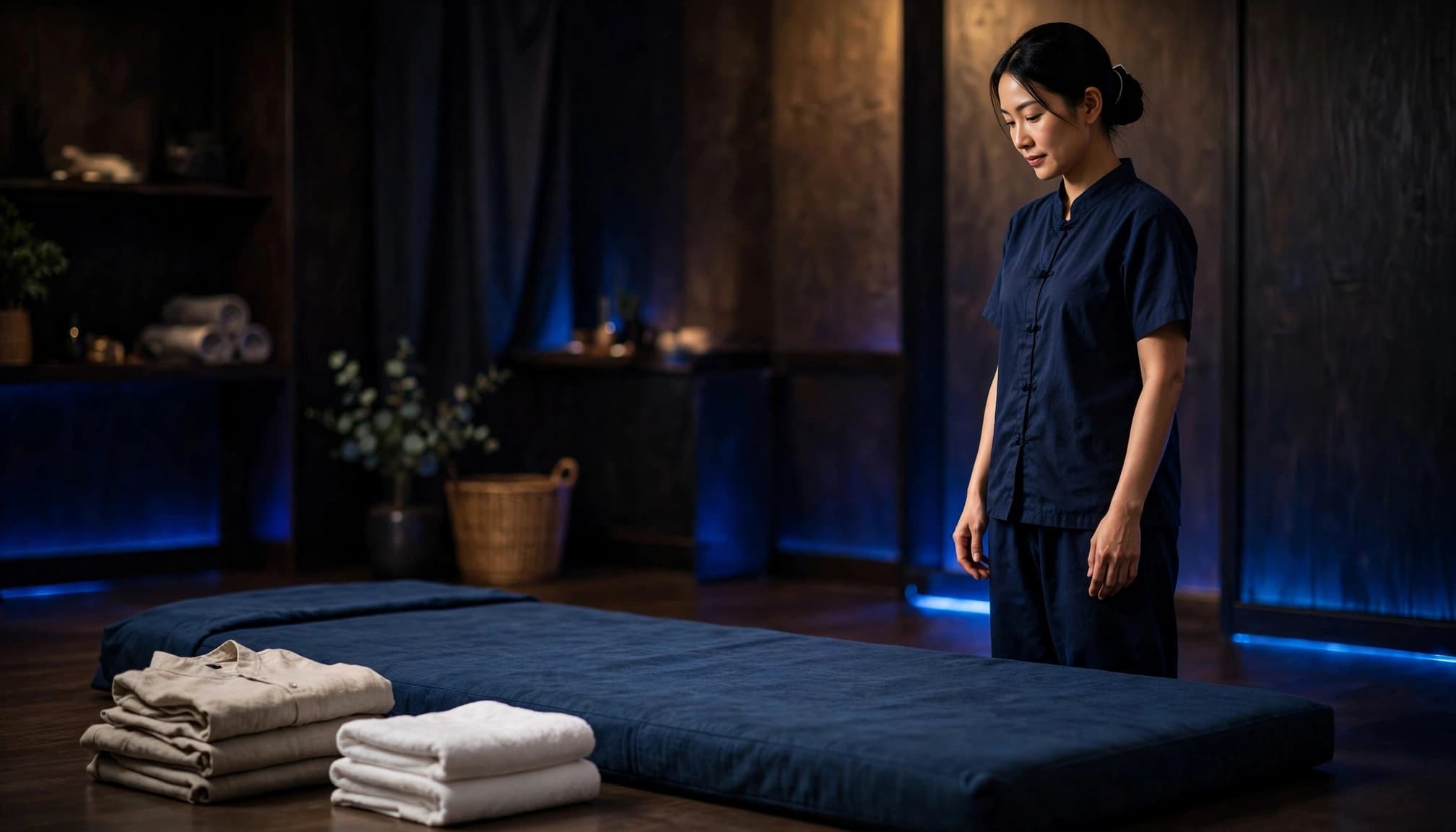
What to Confirm With Sherry Massage Spa Before Your Appointment
Ask the spa to confirm that Thai massage is currently available, rather than assuming every listed treatment remains on the menu. Then request the exact session lengths and current total rate. Clarify whether the price covers hands-on treatment only, consultation time, taxes, oils, changing facilities, or other add-ons.
A short booking checklist can help you avoid surprises:
- Confirm whether the appointment is traditional Thai massage, a Thai-inspired blend, or another massage style.
- Ask whether 60-minute, 90-minute, or other session lengths are available.
- Request the current price and confirm what the quoted amount includes.
- Ask who will perform the treatment and whether they have specific Thai massage training or relevant experience.
- Confirm whether the session takes place on a floor mat, massage table, private room, or shared treatment area.
- Ask what clothing to wear and whether the spa provides loose garments.
- Explain any injury, surgery, pregnancy, medication, osteoporosis, circulation problem, or mobility limitation before booking.
- Ask whether the therapist can reduce pressure, limit stretching, change positions, or adapt the session for a beginner.
- Confirm whether the spa can accommodate limited mobility safely and privately.
- Check the cancellation, rescheduling, deposit, and late-arrival policies.
A provider should answer these questions clearly. If staff avoid basic details or pressure you to book before discussing health restrictions, choose a different option. Professional massage standards call for referral to qualified healthcare when a contraindication makes treatment unsuitable, as outlined in these massage therapy practice standards.
How to Judge the Experience After Your Visit
Your experience should feel collaborative from the first conversation to the final aftercare advice. Consider whether the therapist listened to your goals, explained the movements, asked permission before using unfamiliar techniques, and respected every boundary you communicated.
Notice how the therapist responds when you request less pressure or a smaller stretch. A good Thai massage can feel active, but it should remain controlled and tolerable. The room, mat, towels, and changing area should also appear clean and prepared for your appointment.
Afterward, assess whether you received clear guidance about rest, movement, hydration, and warning signs. Constructive feedback can help the spa improve, especially when you describe the exact pressure, position, or communication issue that affected your session.
A different massage style may suit you better if assisted stretching feels uncomfortable or you prefer a fully passive treatment. If pain persists, worsens, causes weakness or numbness, or follows an injury, consult a medical professional instead of booking a stronger massage.
How to Get Better Results From Every Thai Massage Appointment
A satisfying Thai massage starts before you lie on the mat. Set a realistic goal, choose an appropriate session length, wear flexible clothing, and leave enough time afterward to notice how your body responds. Small decisions can make the treatment more comfortable and help your therapist tailor the experience.
Set a Clear Goal Before the Session Starts
Tell the therapist what you want from the appointment. You may prefer gentle relaxation, improved movement, general muscle relief, or a sports-focused session after demanding training. If you sit for long hours, mention stiffness in your neck, hips, back, or shoulders. Active adults may want careful work around tired legs without aggressive stretching.
Choose one or two realistic goals rather than asking the therapist to fix every problem at once. A clear aim helps them select the right pressure, pace, positions, and stretches. It also makes it easier to judge whether the session suited you.
Ask about the treatment length before booking. A 60-minute appointment may suit a first visit or focused work, while a longer session allows slower transitions and more attention to several areas. Avoid a heavy meal immediately beforehand, arrive 10 to 15 minutes early when possible, and wear loose clothing that allows easy movement.

Know When to Choose a Gentler Session
First-time clients often benefit from a lighter introduction. Your body needs time to adjust to assisted stretching, compression, and changes in position, especially if you usually receive passive table massage. A gentler approach also suits people who feel tired, sore, stressed, or uncertain about their mobility.
More pressure isn’t always better. Strong work over an already irritated area can leave you feeling worse, while slower techniques may provide the comfort you actually want. If relaxation matters more than intense stretching, say so clearly before the session begins.
During treatment, speak up early if anything feels too strong, fast, painful, or unstable. Ask for less pressure, a smaller range of motion, a different position, or a technique change. A qualified therapist should respect your feedback and understand that effective massage shouldn’t require you to tolerate sharp pain.
For guidance on a therapist’s responsibilities and when massage should be referred to medical care, review this massage therapist scope of practice.
Build Massage Into a Healthy Routine
Massage works best as part of your normal self-care, not as a replacement for the habits that support recovery. Combine Thai massage with regular walking, mobility exercises, strength work, adequate sleep, and ordinary hydration. After a demanding workout, gentle movement and rest may help more than immediately booking the most intense treatment available.
There is no ideal schedule for everyone. Your goals, budget, health, activity level, and response to treatment should guide your choices. Some people book occasional wellness sessions, while others use short-term appointments during a stressful or demanding period.
Plan a calm window after your massage instead of rushing straight into heavy exercise or a long commute. Rest briefly, notice any unusual symptoms, and follow your healthcare professional’s advice when pain, injury, or a medical condition needs treatment. Regular massage can support comfort, but professional medical care remains the right choice when symptoms persist or worsen.
Frequently Asked Questions
Thai massage can raise practical questions even after you understand the techniques, benefits, safety precautions, and costs. These answers cover common concerns about scheduling, recovery, daily activities, and deciding whether this treatment suits your routine.

How often should you get a Thai massage?
There is no medically required schedule for Thai massage. For general relaxation or mobility maintenance, many people book a session about every three to six weeks, then adjust based on how their body responds. If you’re using massage alongside rehabilitation or heavy training, a healthcare professional or qualified therapist can help you choose a safer short-term schedule.
Your response matters more than a calendar. If each session leaves you sore for several days, reduce the pressure, increase the time between appointments, or pause until you understand the cause. The National Center for Complementary and Integrative Health’s massage guidance also emphasizes that massage research and treatment plans vary by condition.
Is it normal to feel sore after Thai massage?
Mild, localized tenderness can occur after firm compression or unfamiliar assisted stretching. It should generally improve within a day or two and feel similar to mild post-exercise soreness. Rest, ordinary hydration, and gentle movement may help you feel more comfortable.
Sharp pain, increasing soreness, significant bruising, swelling, numbness, weakness, or pain that affects normal movement needs more attention. Contact a healthcare professional if symptoms persist or worsen instead of booking another intense session. Massage can reduce muscle tension for some people, but it shouldn’t create a new or worsening injury.
Can you drive after a Thai massage?
Many people can drive after a session if they feel alert, steady, and able to move comfortably. However, Thai massage may leave you relaxed, temporarily heavy, dizzy, or less mobile, especially after a long or vigorous appointment. Sit for a few minutes, stand slowly, and assess yourself before reaching for your keys.
Don’t drive if you feel faint, confused, unusually weak, or unable to turn your body safely. Arrange a ride or wait until you feel normal enough to control the vehicle without distraction. This practical check matters more than a fixed waiting period.
Can you exercise after receiving Thai massage?
Light walking and gentle mobility work are usually reasonable when they feel comfortable. However, delay heavy lifting, intense running, demanding sports, and hard stretching if the treated areas feel tender or tired. Your muscles may need time to settle after compression and assisted movement.
Return to strenuous activity when you can move normally without pain or unusual weakness. If Thai massage is part of your training routine, schedule it away from your hardest workouts until you know how your body reacts. The Mayo Clinic’s massage therapy overview also describes massage as support for relaxation, muscle tension, and some types of pain, not as a substitute for recovery planning.
Can Thai massage help with headaches?
Thai massage may help when headache symptoms relate to stress or muscle tension in the neck, shoulders, or upper back. A therapist might use gentle compression and positioning around those areas, but treatment should never involve forceful neck movement. Tell the therapist where the pain starts, how it feels, and whether movement makes it worse.
Seek medical care for a sudden severe headache, a new headache with weakness or confusion, fever, vision changes, fainting, or a stiff neck. Repeated headaches also deserve medical assessment because massage cannot identify or treat every underlying cause.
What should you do if Thai massage feels too intense?
Speak up immediately and describe the exact problem. Ask for lighter pressure, slower movement, a smaller stretch, a different position, or a technique to be skipped. You never need to tolerate sharp pain to prove that you can handle a treatment.
A professional therapist should respond without criticism and confirm the adjustment. If the therapist ignores your request, forces a joint, or makes you feel unsafe, end the session and choose another provider.
Conclusion
Thai massage offers an active blend of focused pressure, assisted stretching, and gentle movement for people who want mobility support and relaxation in one treatment. Because the experience can feel more physical than Swedish massage, choose a trained, communicative provider who respects your comfort and explains each technique clearly.
Before booking, disclose injuries, pregnancy, recent surgery, medications, and other health concerns. Compare the treatment style, session length, location, and total price instead of choosing based only on the cheapest listing or strongest pressure. If you’re considering Sherry Massage Spa, confirm the current Thai massage offering and booking details directly. The provider’s public website identifies the business as Sheri Palm SPA, so verify the name and appointment information before you visit.
A safe session should leave you feeling comfortable, heard, and able to move within your normal limits. Book thoughtfully, start with an intensity that suits your body, and speak up or stop immediately if anything feels painful or unsafe.