
Hot Stone Massage: Benefits, Safety, and What to Expect
Warmth, skilled touch, and a quieter mind come together in a hot stone massage. Smooth, heated stones rest on the body or glide across the skin alongside massage techniques, helping create a deeply relaxing experience while easing the feeling of muscle tension.
If daily stress has left you feeling tight, restless, or unable to switch off, the steady heat can make a massage feel especially soothing. However, the treatment isn’t right for everyone, so it’s important to understand how hot the stones should be, what safety precautions matter, and when you should speak with a qualified provider first.
This guide explains how hot stone massage works, its possible relaxation benefits, what a session may feel like, and how it compares with Swedish and deep tissue massage. You’ll also learn about safety concerns, factors that affect pricing, how to choose a provider, and what to ask Sherry Massage Spa before booking. First, let’s look at how heated stones work with the therapist’s hands to shape the treatment.
Key Takeaways
- Hot stone massage may ease muscle tightness, soreness, and stress, but its benefits are mainly short-term.
- A trained therapist should test stone temperature, avoid prolonged skin contact, and adjust heat to your comfort.
- Tell your provider about pregnancy, diabetes, neuropathy, heart conditions, skin problems, recent injuries, or surgery.
- Skip treatment during fever, contagious illness, open wounds, or acute inflammation.
- Review hot stone massage safety guidance before booking, especially if you have reduced heat sensation.
What Is Hot Stone Massage and How Does It Work?
Hot stone massage is a therapeutic massage that combines warm, smooth stones with hands-on techniques. A therapist typically uses heated basalt stones, a dark volcanic rock that holds warmth, by placing them on selected areas or gliding them over the muscles.
The treatment usually follows a Swedish-style massage rather than a completely separate massage system. Warmth, touch, a calm setting, and clear communication all shape the experience. Heat may help tight muscles feel less guarded, allowing the therapist to use light to medium pressure instead of relying on force.
What Happens During a Typical Session
Your experience begins when you book an appointment and share basic health information with the spa. During the consultation, tell the therapist about recent injuries, surgery, pregnancy, skin problems, diabetes, reduced sensation, heart conditions, or any medication concerns. This information helps the provider decide whether to modify, postpone, or avoid heated stone treatment.
Before the massage starts, you usually remove only the clothing needed for the areas being treated. You then lie on a padded table and receive a sheet or towel for privacy. You should remain covered except for the area the therapist is working on. A professional therapist will expose one section at a time, such as your back, leg, shoulder, hand, or foot.
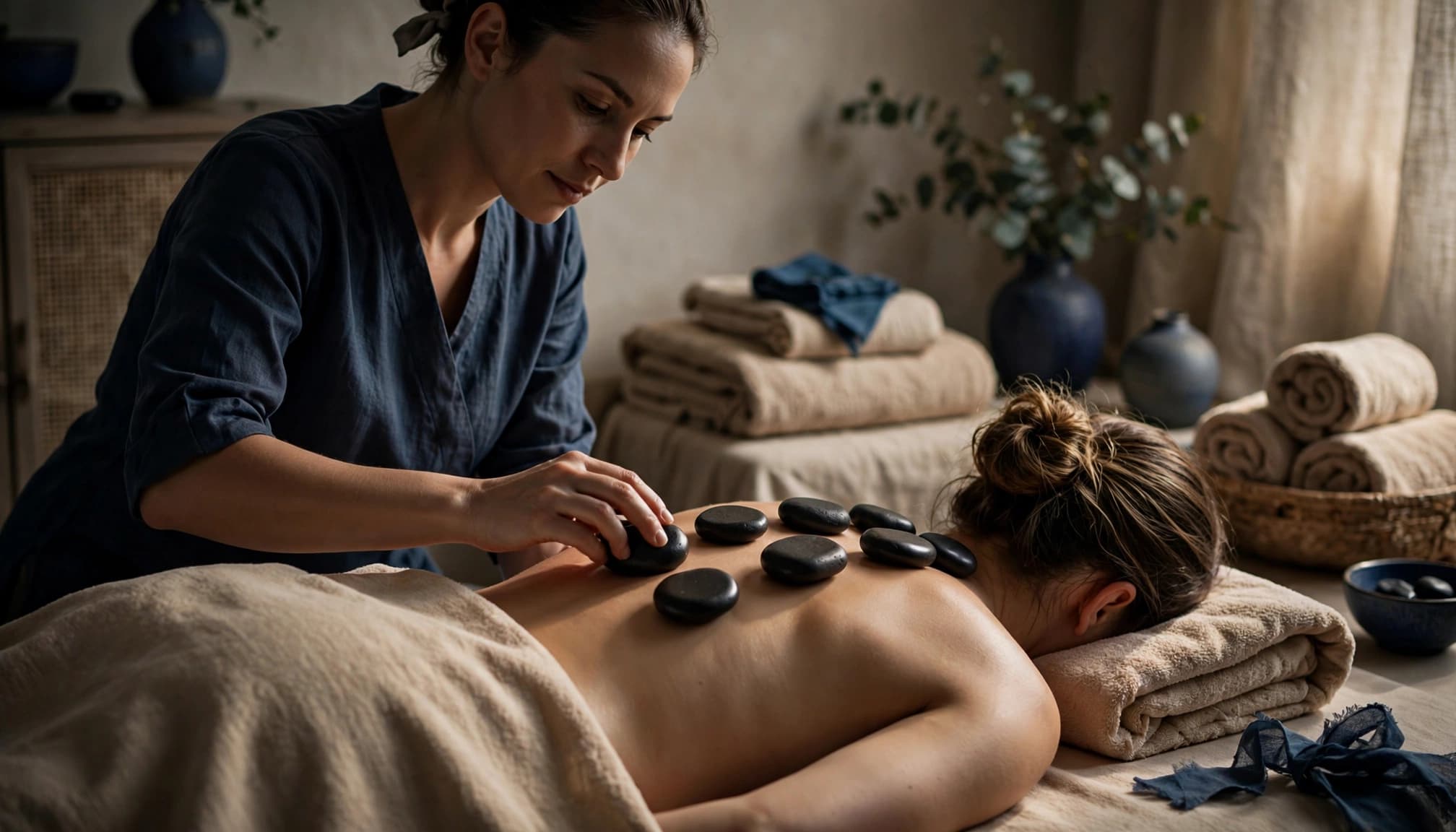
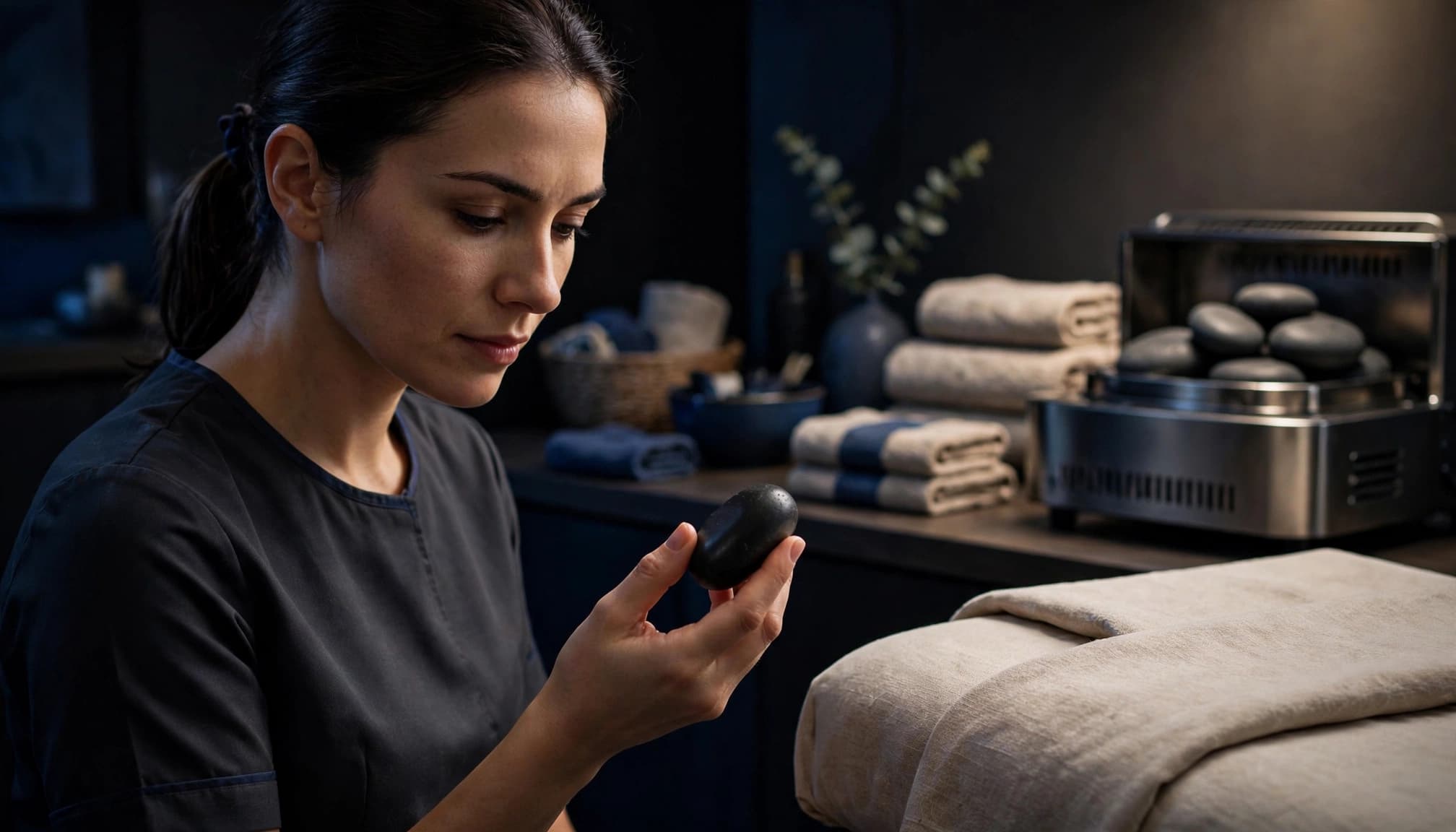
The therapist checks the stones before they touch your skin. They may test the temperature on their own hand or another suitable area first, then place a few stones on selected muscles. The stones should feel comfortably warm, not painfully hot. A careful therapist also watches your skin and asks how the heat feels after placement.
During the massage, the provider may leave stones in place while working with their hands elsewhere. They may also hold a heated stone and glide it over the skin with slow strokes. Oil or lotion reduces friction, so the stone moves smoothly instead of pulling at the skin.
Speak up immediately if a stone feels too hot, too heavy, sharp, or uncomfortable. You never need to tolerate discomfort to receive a useful massage. Tell the therapist if you want less pressure, a cooler stone, a different position, or no stones on a particular area.
Session length varies by provider and treatment plan. Many spas offer appointments around 50 to 90 minutes, while shorter or longer options may also be available. The therapist may spend the full appointment on one region or combine stone work with standard massage techniques.
At the end, the therapist removes the stones and gives you time to get dressed. Move slowly when you sit up, especially if you feel relaxed or lightheaded. Drink water if you want it, and mention any lingering soreness, redness, or discomfort before leaving.
How Heat and Massage Work Together
Heat can make tense muscles feel easier to work with. When an area feels cold, sore, or guarded, you may instinctively tighten it when pressure increases. Gentle warmth can create a more comfortable sensation, which may help the muscle soften before the therapist applies massage strokes.
Because the tissue feels less resistant, the therapist may not need to press as firmly. That matters if you want relaxation but dislike the intensity of deep tissue massage. Some people prefer warmth because it feels steady and comforting, while strong pressure can feel unpleasant or leave them tense.
The therapist may first place stones on the back or shoulders, then use light to medium strokes with their hands. As the muscles become more relaxed, the provider can adjust the pressure based on your feedback. Heat should support the massage, not overpower it.
However, hot stone massage doesn’t cure an illness or repair an underlying medical condition. Any relief from tightness or soreness may be temporary. If pain continues, worsens, or follows an injury, seek medical advice rather than using massage as a substitute for evaluation.
Heat also requires careful control because overly hot stones can burn the skin. The American Massage Therapy Association’s hot stone guidance emphasizes safe handling, temperature awareness, and allowing clients time to respond to the heat. People with reduced heat sensation may not notice a dangerous temperature quickly enough, so they should discuss the treatment with a qualified healthcare professional first.
The Stones, Oils, and Techniques Used
Smooth, flat stones work well because they rest comfortably against the body’s curves. Basalt stones are common because their dense volcanic material retains heat. Their rounded edges also help the therapist glide across broad muscle groups without scratching or catching the skin.
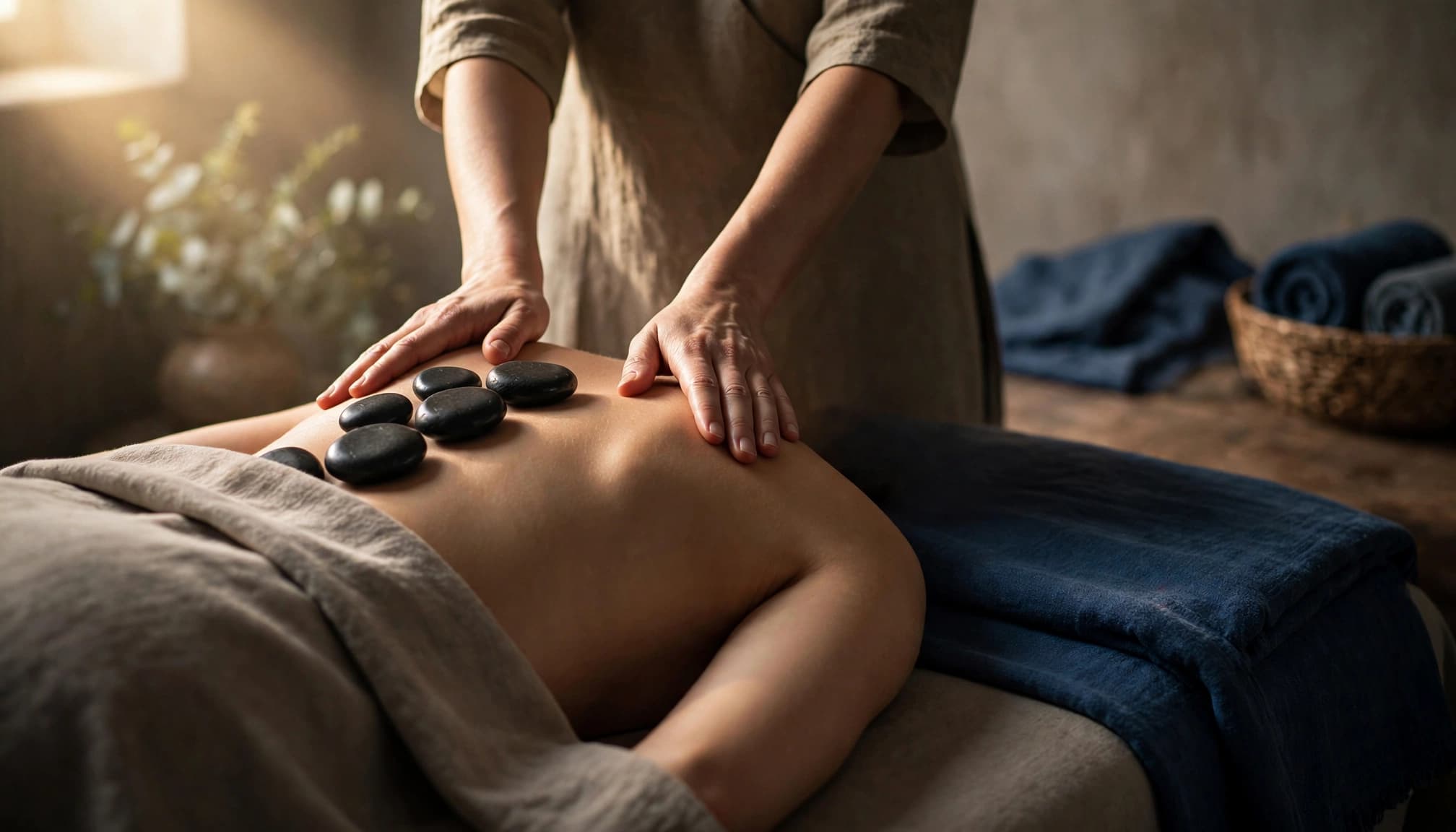
A therapist may use stones in two main ways. Stationary stones rest on carefully selected areas while the provider massages another part of the body. Moving stones travel over the muscles with slow, controlled strokes. The therapist might use a larger stone on the back and a smaller one near the hands, feet, or neck.
Oil or lotion helps the stones move across the skin with less drag. It also allows the therapist to combine stone strokes with familiar Swedish techniques, such as long gliding movements and gentle kneading. The amount of product depends on the skin, treatment area, and therapist’s method.
Common areas include the back, shoulders, legs, hands, and feet. Placement depends on your needs, the therapist’s training, and any conditions that affect your skin or sensation. Stone size should also change with the body area. A heavy stone may feel suitable on a broad back but uncomfortable on a smaller or more sensitive area.
A well-adjusted session should feel warm, controlled, and easy to communicate through. Your feedback helps the therapist choose safer placement, pressure, stone size, and temperature throughout the treatment.
Hot Stone Massage Benefits and How It Compares With Other Styles
Hot stone massage appeals to people who want relaxation with a warming, gentle touch. The heat may help tense muscles feel less guarded, so the therapist can work at a comfortable pace without relying on firm pressure.
Research on massage therapy is broader than research on hot stones specifically. Therefore, the most accurate claims focus on possible relaxation, temporary relief of muscle tightness, and a calmer post-treatment feeling.
Potential Benefits for Stress, Tight Muscles, and Sleep
Warmth can make the massage feel more soothing from the first few minutes. As heated stones rest on selected areas or glide across the skin, the steady sensation may help your body relax and reduce the urge to brace against pressure.
That response can matter when you carry tension in your neck, shoulders, or lower back. Long periods at a desk may leave those areas stiff, while exercise can create temporary soreness and tightness. People who feel cold often may also enjoy the comforting warmth more than a standard hands-only session.
Many people report feeling calmer after massage, and general massage research supports short-term relaxation and anxiety reduction. Hot stone massage may support that response, but studies focused on hot stones remain limited. A small study involving hemodialysis patients found improved sleep quality after hot stone massage, although those results don’t prove the same effect for everyone. You can review the published hot stone sleep study for more context.
A relaxed session may also help you settle more easily at night. Still, hot stone massage isn’t a guaranteed sleep treatment, and it shouldn’t replace care for ongoing insomnia, anxiety, or a medical condition. Consider better sleep a possible benefit of feeling calmer and less physically tense, rather than a promised result.
Heat may make muscles feel more flexible during the appointment, yet any relief is usually temporary. Massage also doesn’t treat circulation disorders, and increased warmth in the skin shouldn’t be mistaken for medical treatment of poor circulation.
Hot Stone vs. Swedish Massage
Swedish massage usually relies on the therapist’s hands, using techniques such as long gliding strokes, kneading, and gentle rhythmic pressure. It often suits first-time clients or anyone who wants a familiar, adaptable massage focused on relaxation.
Hot stone massage includes many of those same hands-on techniques, but it adds controlled heat. The therapist may place stones on selected muscles or hold them while using slow strokes. That extra warmth can make the treatment feel more comforting, especially when your muscles feel cold or stiff.
| Feature | Swedish massage | Hot stone massage |
|---|---|---|
| Main sensation | Hands-on touch with light to medium pressure | Hands-on touch combined with controlled warmth |
| Good fit for | First-time clients and gentle relaxation | People who enjoy heat and a slower spa experience |
| Pressure | Usually adjustable from light to moderate | Often light to moderate, depending on your preference |
| Typical focus | General relaxation and muscle comfort | Relaxation, warmth, and temporary muscle tension relief |
Either style can be customized. Tell your therapist whether you prefer light strokes, more pressure, a slower pace, or less time on sensitive areas. A first-time client may choose Swedish massage to learn how massage feels, while someone who already enjoys warmth may prefer hot stones immediately.
The choice doesn’t need to be permanent. You can try Swedish massage when you want simple hands-on relaxation and choose hot stones when warmth is part of the appeal.
Hot Stone vs. Deep Tissue Massage
Deep tissue massage uses slower, firmer, and more targeted pressure. A therapist may focus on areas of persistent muscle tightness, using deliberate strokes to reach deeper layers of tissue. Some clients find this helpful for specific muscular concerns, but the intensity can feel uncomfortable during or after the appointment.
Hot stone massage usually takes a different approach. Warmth may help the therapist work with light or moderate pressure because the muscles feel easier to approach. The result is often a calmer experience with less pressure than a typical deep tissue session.
Choose hot stones if you want warmth, broad relaxation, and a lower-pressure treatment. Deep tissue may suit you better when you specifically want focused, firmer work and can tolerate possible post-massage soreness. However, neither style guarantees relief from chronic pain, and hot stones aren’t automatically a substitute for care aimed at a specific pain problem.
Before booking, consider these questions:
- Do you want a relaxing experience or targeted work on one persistent area?
- Do you prefer gentle pressure, moderate pressure, or firm pressure?
- Would post-massage soreness discourage you from enjoying the treatment?
- Has a healthcare professional evaluated the pain or injury you want to address?
A therapist can often combine approaches, but you should explain your goals before the session begins. Pain that persists, worsens, or follows an injury needs proper medical assessment rather than repeated massage alone.
Who May Enjoy This Warm, Lower-Pressure Experience
Hot stone massage may suit people who enjoy heat and want stress relief without intense pressure. It can also appeal to anyone who feels tight after a long flight, a road trip, desk work, or physical activity.
The treatment fits a relaxing spa ritual as much as a massage appointment. Warm stones, slow strokes, quiet breathing, and a comfortable room can help you step away from a busy routine for a while. For some clients, that calm atmosphere is the main reason to book.
Choose a trained therapist who understands stone temperature, safe placement, draping, and pressure control. Before the massage starts, explain whether you want general relaxation, attention to your shoulders, relief from travel-related stiffness, or a very gentle session.
Your preferences should guide the treatment. If the stones feel too hot, heavy, or uncomfortable, say so immediately. A good provider can lower the temperature, change the placement, reduce pressure, or stop using stones on a particular area.
Is Hot Stone Massage Safe? Risks, Contraindications, and Smart Precautions
Hot stone massage is usually safe when a trained therapist controls the heat, checks your skin, and adapts the treatment to your health. The main immediate risk is a burn caused by stones that are too hot or left in one place for too long. Your health history also matters because reduced sensation, circulation problems, fragile skin, and some medications can make heat or pressure less safe.
Temperature practices vary by therapist training, equipment, and local rules. Therefore, don’t treat one temperature number as permission to heat or apply massage stones yourself. Safe treatment requires professional equipment, careful testing, sanitation, and constant communication.
When to Avoid the Treatment or Ask a Clinician First
Ask a qualified healthcare professional before booking if you have reduced heat sensation, neuropathy, or diabetes with numbness, tingling, poor circulation, or slow wound healing. You may not feel excessive heat quickly enough to report it, which raises the chance of a serious burn.
You should also delay treatment or seek medical guidance if you have:
- A history of blood clots, a bleeding disorder, or low platelets.
- A prescription for blood thinners or other medication that increases bruising or bleeding.
- Recent surgery, a recent fracture, fresh scars, or a significant injury.
- Open wounds, burns, severe sunburn, bruising, rashes, skin infections, or fragile skin.
- Severe osteoporosis, because pressure and repositioning may increase injury risk.
- A fever or contagious illness.
- Significant heart, blood pressure, or circulation concerns.
The American Institute of Alternative Medicine’s massage contraindication guidance recommends medical advice for concerns such as infections, blood clots, and uncontrolled health conditions. A massage therapist can modify a session, but they shouldn’t diagnose your condition or override medical advice.
Pregnancy requires individual guidance. Policies differ between spas, and some providers avoid hot stones during pregnancy altogether. Others may offer modified treatment only after approval from a qualified health professional. Ask your doctor or prenatal care provider first, then choose a therapist trained in prenatal massage. The therapist should understand safe positioning and know which areas, pressure levels, and heat applications to avoid.
People who feel faint easily, have low blood pressure, or have serious heart or circulation concerns should also ask for medical guidance. Heat, standing after the session, and prolonged relaxation may make dizziness more likely for some clients.
Safety Questions to Ask Before Booking
A short conversation can reveal whether a provider takes hot stone massage safety seriously. Before you schedule, ask:
- What training and experience do you have with heated stone massage?
- How do you heat the stones, and how do you check their temperature?
- Do you use a professional stone heater or controlled water bath?
- Will you place a towel or sheet between the stones and my skin when appropriate?
- How do you adjust the treatment for sensitive, thin, bruised, or easily irritated skin?
- Can I request cooler stones, lighter pressure, or no stones on a particular area?
- What should I say if I need the session to stop?
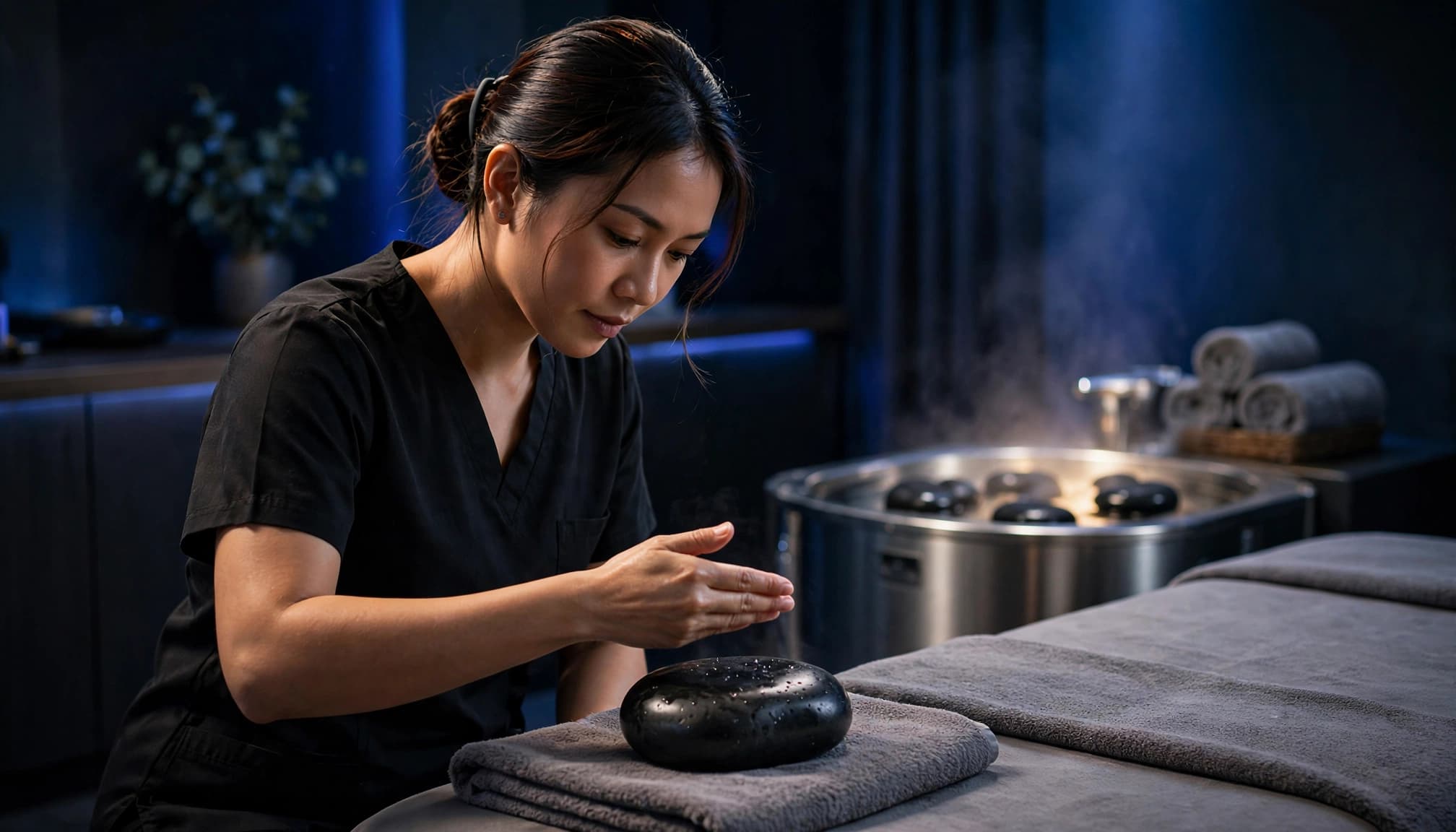
A professional provider should heat stones in equipment designed for that purpose, with controlled water covering the stones as appropriate. They should test each stone before use, monitor the skin, vary placement, and avoid leaving a heated stone in one location for an unsafe period. A barrier may also reduce direct heat, especially when stones rest on the body.
Never heat massage stones in a microwave, household oven, slow cooker, or improvised device. Those methods can create uneven hot spots, damage the stones, contaminate equipment, or make temperature control unreliable. The American Massage Therapy Association’s hot stone guidance discusses controlled heating, temperature awareness, and client communication.
Tell the therapist about every factor that could affect your treatment. Include medications, blood thinners, allergies, diabetes, neuropathy, heart conditions, skin problems, recent injuries, surgery, pregnancy, or unusual sensitivity to heat. Also mention areas that feel numb, swollen, bruised, painful, or tender.
A safe therapist welcomes these questions. They should explain how you can give feedback and should never pressure you to continue because a stone treatment is supposed to feel intense.
Signs to Stop the Session Right Away
Mild warmth and comfortable pressure are normal. Pain, stinging, or numbness is not part of a safe hot stone massage. Speak up as soon as something feels wrong, even if the sensation seems minor.
Stop the session immediately if you notice:
- Sharp or concentrated heat.
- Stinging, burning, or prickling.
- Numbness or a sudden change in sensation.
- Dizziness, nausea, weakness, or a feeling that you may faint.
- Shortness of breath, chest discomfort, or an unusual heartbeat.
- Sudden, intense, or unusual pain.
- Redness that spreads quickly or skin that looks blistered, pale, or damaged.
Use direct language, such as, “Please remove that stone now,” or “The heat is too strong.” You don’t need to explain or apologize. Your therapist should remove the stone, inspect the skin, cool the area when appropriate, and stop using heat if the reaction continues.
Seek medical care for blistering, severe pain, spreading redness, damaged skin, breathing difficulty, fainting, or symptoms that don’t improve after the session. A spa shouldn’t dismiss a possible burn as ordinary redness or tell you to tolerate worsening discomfort. The safest treatment is one where you can change your mind, ask for less heat, and stop at any moment.
How to Choose a Hot Stone Massage and Prepare for Your Visit
Choosing the right provider can shape your entire hot stone massage experience. A skilled therapist should make the treatment feel warm, controlled, and comfortable, while also taking time to understand your health and preferences.
Before you book, compare more than the treatment name. Check the provider’s training, safety procedures, pricing, privacy standards, and communication. Then prepare in a way that helps you relax without ignoring signs that your body needs extra care.
What to Look for in a Reputable Spa
Start by checking whether the therapist has formal massage training and specific experience with hot stone massage. Heated stones require more than general massage skills. The provider should understand temperature control, safe placement, draping, pressure adjustment, and the risks associated with reduced sensation or fragile skin.
A clear service description also matters. The spa should explain whether the treatment includes full-body massage, focused work, stationary stones, moving stones, or a combination of techniques. If the description is vague, contact the business before booking and ask what the appointment involves.
A reputable provider should ask you to complete a health intake form or discuss your health history before applying heat. This step helps identify concerns such as diabetes, neuropathy, blood-thinning medication, pregnancy, recent surgery, skin conditions, circulation problems, or injuries. Since heat can cause harm when you can’t feel it properly, a therapist should never treat your medical history as a formality.
A provider who skips health screening may also overlook the precautions needed to protect your skin.
Pay attention to the facility during your visit. Treatment rooms, linens, massage tables, and stone-heating equipment should look clean and well maintained. Staff should explain how they sanitize reusable stones and equipment between clients. You should also receive appropriate draping and enough privacy while changing.
Professional communication is just as important as physical cleanliness. Before the session begins, the therapist should explain how you can request less pressure, cooler stones, a different position, or a complete stop. The American Massage Therapy Association’s hot stone guidance discusses temperature awareness, safe handling, and the need to prevent burns.
Privacy practices deserve attention, too. Ask how the spa protects your personal information and who can access your health form. Staff should avoid discussing private details where other clients can hear them. You should also feel comfortable asking who will provide the service and whether you can request a therapist of a particular gender.
Read recent reviews before making a decision, but look for useful details rather than star ratings alone. Search for comments about:
- Whether the therapist asked about health conditions and treatment preferences.
- How staff responded when clients requested lower heat or lighter pressure.
- Cleanliness of the room, linens, towels, and shared areas.
- Professional behavior, privacy, punctuality, and clear communication.
- Whether the massage matched the service description and advertised duration.
Reviews cannot confirm clinical quality by themselves, but repeated comments can reveal patterns. If several recent clients mention painful heat, poor cleanliness, rushed consultations, or staff dismissing temperature feedback, choose another provider.
How to Prepare Before and After the Appointment
You don’t need a complicated routine before a hot stone massage. Drink water according to your normal needs, and avoid arriving intoxicated. Alcohol can affect awareness and judgment, which may make it harder to notice or report excessive heat, dizziness, or discomfort.
Wear comfortable clothing and allow enough time to change without rushing. Most spas provide a private area, but arriving early gives you time to complete forms and discuss your preferences. Eat lightly beforehand if you feel hungry, although a large meal immediately before lying on the massage table may feel uncomfortable.
Share health information honestly, including details that seem unrelated to massage. Tell the therapist about pregnancy, medications, blood thinners, diabetes, numbness, circulation concerns, skin irritation, recent injuries, surgery, or unusual reactions to heat. If you are unsure whether a condition matters, mention it and ask whether medical clearance is appropriate.
During the treatment, give direct feedback. Say, “That stone feels too hot,” or “Please use less pressure.” You don’t need to wait for the therapist to ask, and you never need to tolerate pain to appear cooperative.
Afterward, sit up gradually and stand slowly. Heat, relaxation, and lying still can leave some people lightheaded when they change position. Notice how your body feels before you walk out, especially if the session involved firm pressure or focused work on a tender area.
Drink fluids according to your normal needs, but don’t force excessive water. If you feel tired or tender, postpone strenuous exercise and give yourself time to recover. Mild temporary tenderness can occur, but soreness that is severe, worsening, or persistent deserves attention.
Dizziness, faintness, nausea, breathing difficulty, blistering, spreading redness, or ongoing pain should not be ignored. Tell the spa before leaving if you feel unwell, and seek medical care for serious or lasting symptoms.
How Much Does a Hot Stone Massage Cost?
The price of a hot stone massage depends on several details, so a single local average can be misleading. Session length is one of the biggest factors. A 30-minute focused treatment usually costs less than a 60- or 90-minute full-body appointment.
Ask whether the advertised price covers the entire service or only a standard massage. Some spas include heated stones in the base treatment, while others charge a separate hot stone upgrade. A focused back or shoulder session may also have a different price from a full-body massage.
Other factors include:
- The spa’s location and operating costs.
- The therapist’s training and experience.
- Whether the appointment takes place in a basic clinic, hotel spa, resort, or luxury facility.
- Access to amenities such as steam rooms, saunas, showers, or relaxation areas.
- Evening, weekend, holiday, or peak appointment timing.
- Whether oils, taxes, service charges, or other fees are included.
Before confirming the appointment, ask for the total price in writing. Confirm the treatment length, included areas, taxes, booking fees, cancellation policy, and gratuity expectations. Also ask whether you pay the therapist directly or settle the bill through the spa.
A simple question can prevent an awkward surprise: “Is hot stone massage included in this price, or is it an additional upgrade?” Compare services by what you receive, not only by the lowest number.
What to Know About Sherry Massage Spa
For Sherry Massage Spa in Kenya, check the spa’s current official service menu or contact the business directly before booking. Confirm whether hot stone massage is currently available, how long the session lasts, which locations offer it, how reservations work, what the total price is, and whether any current packages include the treatment.
The available information does not verify those details, so don’t rely on an old menu, social media post, or third-party listing without confirmation. Ask the business these questions before paying a deposit:
- What training and experience does the therapist have with hot stone massage?
- How does the therapist test and control stone temperature?
- Do you screen clients for medical conditions before treatment?
- What is the policy for pregnancy, reduced sensation, diabetes, or circulation concerns?
- Is hot stone massage a full service, or is it an add-on to another massage?
- Does the quoted price include taxes, fees, and gratuity?
- What is the cancellation and rescheduling policy?
Clear answers can help you decide whether the appointment fits your needs. If the spa cannot explain its heat controls, health screening, service format, or total price, pause before booking. A comfortable hot stone massage begins with informed consent and a provider who respects your questions.
Frequently Asked Questions
Hot stone massage can feel simple once you’re on the table, but many people still have practical questions before booking. The answers below cover comfort, recovery, pregnancy, pressure, clothing, and treatment frequency so you can choose a session with realistic expectations.
Does hot stone massage hurt?
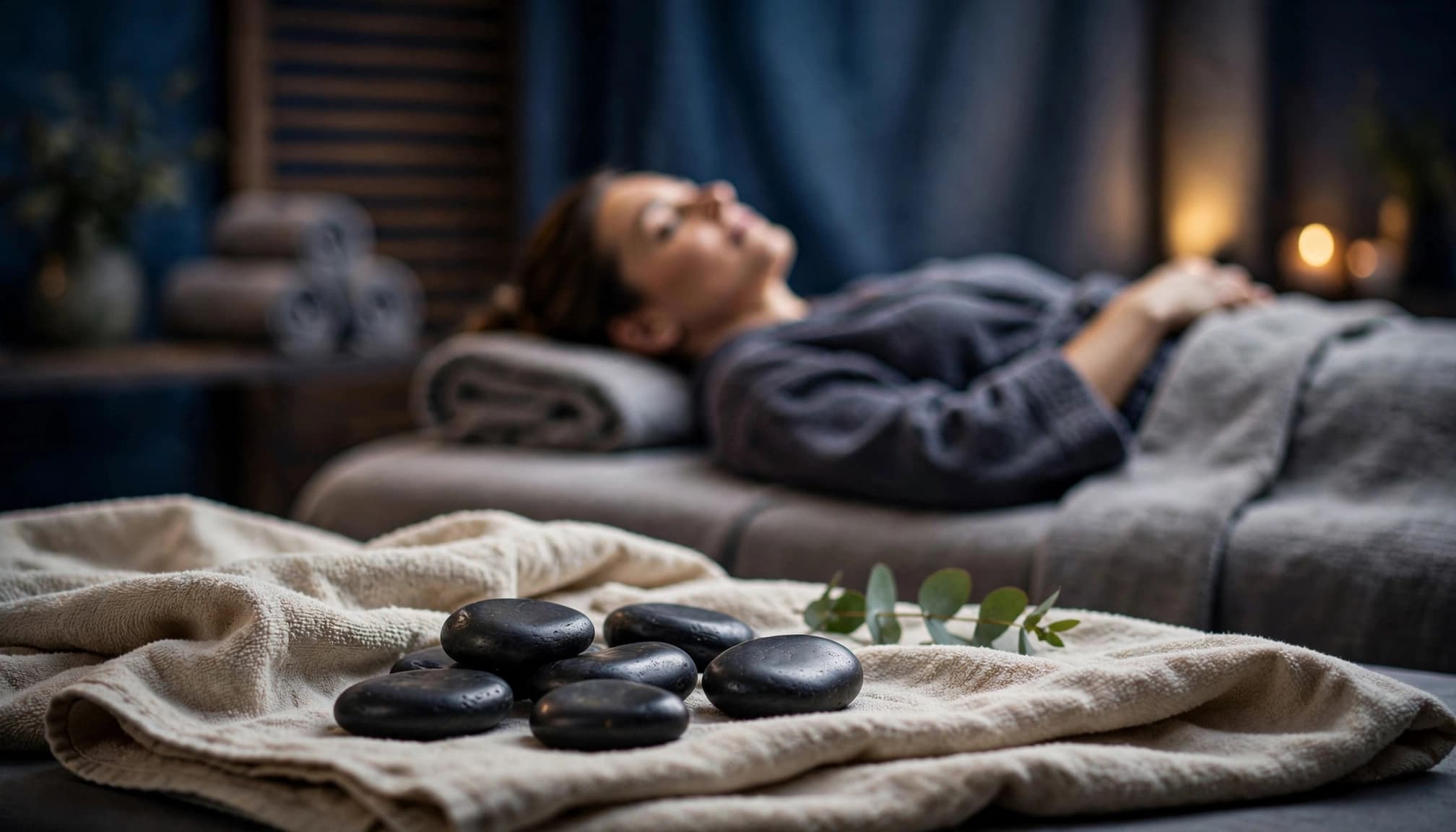
A hot stone massage should feel warm, calming, and comfortable. The stones may create a steady, soothing pressure as they rest on your body or glide over your muscles, but they shouldn’t feel painfully hot, sharp, or burning.
Tell your therapist immediately if the heat feels excessive. They can remove a stone, place a towel between the stone and your skin, use a cooler stone, or change the technique. The same applies to pressure. If a stone feels too heavy or a massage stroke causes pain, ask the therapist to adjust it.
Some mild tenderness may occur afterward, especially if the therapist works on tight muscles. However, sharp pain, stinging, numbness, blistering, or intense heat is a reason to stop the treatment. You never need to tolerate discomfort to prove that the massage is working.
How long do the effects of hot stone massage last?
The relaxing feeling and reduced muscle tightness after a hot stone massage vary from person to person. Some people feel calmer and looser for the rest of the day, while others notice that the effect fades sooner. Massage can support short-term comfort, but it doesn’t remove every cause of muscle tension.
Your sleep, daily activity, stress level, hydration, and the original reason for the tightness can all affect how you feel afterward. For example, a relaxing session may feel helpful after a stressful week, yet tight shoulders may return if long hours at a desk continue.
Pay attention to your body’s response instead of expecting a fixed number of hours or days. If pain continues, worsens, or follows an injury, arrange an evaluation with a qualified healthcare professional rather than relying on repeated massage.
Can I get a hot stone massage if I am pregnant?
Pregnancy requires individualized advice before any massage that uses heat. Speak with your prenatal care professional first, then choose a therapist with specific training in prenatal massage.
Many providers avoid hot stones during pregnancy because excess heat and certain positions may create unnecessary risks. Others may offer a modified treatment with lower warmth, limited stone placement, side-lying support, and no stones on the abdomen. The policy can vary by therapist, stage of pregnancy, and health history.
Ask the provider exactly how they modify the session. Your prenatal care professional should approve the plan, especially if you have complications, circulation concerns, high blood pressure, or other health risks. Guidance on massage contraindications also emphasizes that some conditions require avoiding treatment or modifying only the affected area, as explained by massage safety guidance.
Can hot stone massage replace deep tissue massage?
Hot stone and deep tissue massage have different goals and pressure levels. Hot stones add warmth to hands-on techniques, so the therapist may use light to moderate pressure while working across broad areas. This option often suits someone who wants relaxation, heat, and a gentler sensation.
Deep tissue massage uses slower, firmer, more focused pressure. A therapist may target a specific area of persistent muscle tightness, although the treatment can feel more intense and may cause temporary soreness.
Neither style is a universal replacement for the other. Choose hot stones when warmth and comfort are your priorities. Consider deep tissue when you want focused pressure and have discussed that goal with a qualified provider. If your pain comes from an injury or medical condition, seek proper evaluation before selecting either massage style.
What should I wear to a hot stone massage?
Wear comfortable clothing to the appointment, since you may need to change or move easily before and after treatment. During the massage, you typically undress only as far as you feel comfortable and remain covered with a sheet or towel.
The therapist exposes only the area being treated, such as your back, shoulders, legs, hands, or feet. Professional draping should protect your privacy throughout the session. You can also keep underwear on if that helps you feel more at ease.
Ask questions before the massage begins if you aren’t sure how draping works. You can set boundaries about which areas the therapist treats, request more coverage, or decline any technique. Your comfort and consent matter as much as the temperature of the stones.
How often should I book a hot stone massage?
There isn’t one schedule that suits everyone. Your ideal frequency depends on your goals, budget, comfort level, health history, and advice from a qualified provider.
An occasional session may be enough if you mainly want relaxation or enjoy adding warmth to your self-care routine. Someone managing recurring tightness may prefer a more regular plan, but repeated appointments shouldn’t replace medical care for ongoing pain.
Notice how your body responds between visits. If you feel comfortable and recover well, you can discuss future sessions with your therapist. However, reduce the frequency or seek medical advice if you develop persistent soreness, skin irritation, unusual fatigue, or symptoms that last beyond the expected recovery period.
Conclusion
Hot stone massage is best understood as a relaxing massage experience enhanced by carefully controlled warmth. The heat may help ease the feeling of muscle tension and make gentle pressure more comfortable, but it isn’t a cure-all or a substitute for medical care when pain, injury, or other symptoms continue.
Choose a trained provider who screens your health history and explains how the stones are heated, tested, placed, and removed. Before booking, disclose conditions such as pregnancy, diabetes, neuropathy, circulation problems, skin concerns, recent surgery, or medication use. Confirm the session length, current pricing, cancellation terms, and branch availability, then communicate throughout the appointment if the stones feel too hot, heavy, painful, or uncomfortable.
If you’re considering treatment through Sherry Massage Spa, verify the current service details directly before paying or arriving. Available information identifies the official spa brand as Sheri Palm SPA, so confirm the business name, location, one-hour service price, and booking arrangements with the provider. Choose hot stone massage when warmth, gentle pressure, and professional care match your needs, and keep your comfort and safety at the center of the experience.